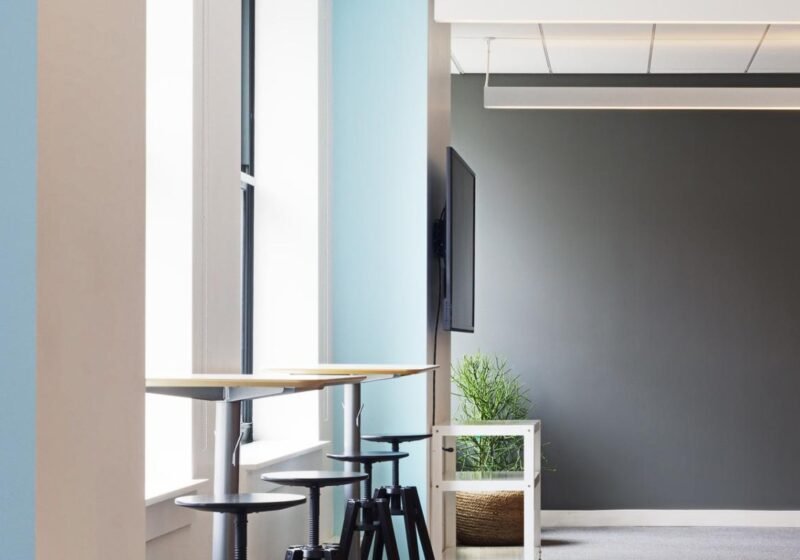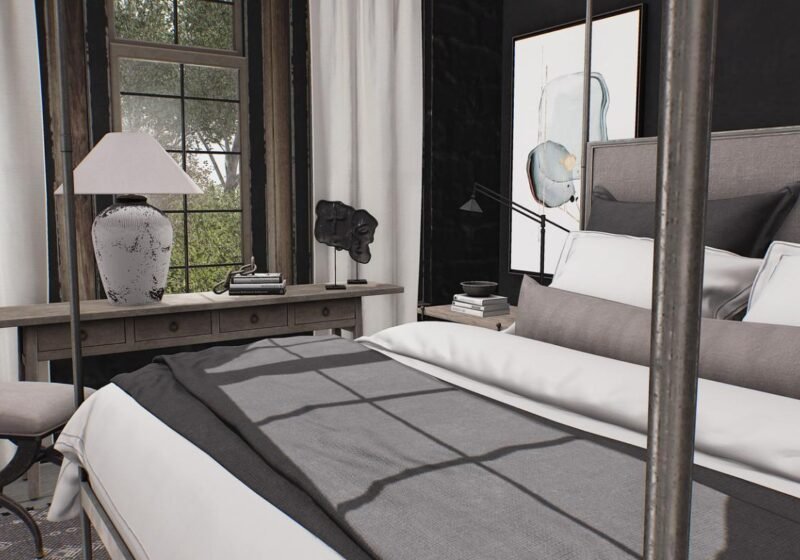
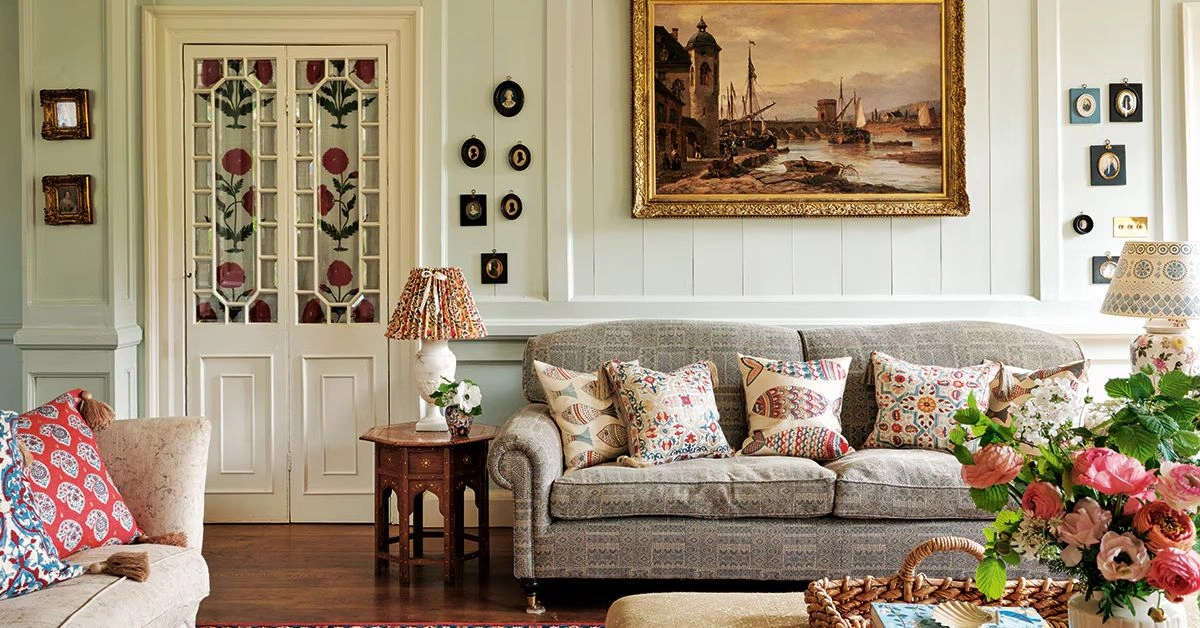
The most useful home decor ideas for small homes combine appearance with storage and movement. Light alone will not make a cramped room work, and adding more baskets can make it feel busier. Measure the routes through the home, give everyday items a clear place and choose furniture that matches the room’s real scale.
Use the walls and the height
Tall shelving, wall-mounted hooks and high cupboards can keep the floor clearer than a series of short units. Store everyday items between waist and eye level and use higher shelves for less frequent items. Fix furniture securely and check the wall construction before drilling, especially in older plaster or stud partitions.
Choose furniture by footprint
Measure the full width, depth and opening arc of a piece. A narrow armchair, drop-leaf table or wall-mounted desk may be more useful than a smaller-looking item that has little usable surface. Keep a clear route from the entrance to the main window and do not let storage doors open into it.
Make one item do two jobs
- Use a bench with hidden storage in a hall or dining area.
- Choose a sofa table that can also work as a desk when needed.
- Use nesting tables for guests instead of a large permanent coffee table.
- Consider a bed with drawers where the room can still be ventilated and opened easily.
Keep the visual field calm
Repeat a small palette across walls, fabrics and larger storage pieces. This does not mean every item must match; it means fewer hard visual stops. Closed storage can hide practical clutter, while one open shelf or picture ledge gives the eye somewhere to rest.
Improve light at more than one level
Use a ceiling fitting for general light, a task lamp for work and a low lamp or wall light for evening comfort. Mirrors can reflect light and make a narrow room feel deeper, but they work best when they reflect something attractive rather than a pile of storage.
Make small rooms easy to maintain
Leave enough clearance to vacuum, open windows and reach radiators. Avoid storing items in front of vents or using heavy curtains where they reduce useful daylight. A layout that looks tidy but is difficult to clean will quickly become frustrating.
For more furniture-specific ideas, see our guide to furniture for a small living room. The same principles apply throughout a compact home: use the walls, protect the routes and buy fewer pieces that do more.