The most useful new build garden ideas start with the problems developers often leave behind: compacted soil, poor drainage, little privacy and a blank rectangle with no clear zones. Test the plot before laying a patio or buying plants, then build structure first and add colour as the garden settles.
New build garden ideas: check the garden at handover
Walk the plot after rain and photograph standing water, slopes, broken edging, buried rubble and damaged fencing. Check whether the turf is genuinely rooted, whether topsoil is deep enough for the planting you want and whether drain covers, inspection chambers, utility strips or easements restrict the layout. Keep the developer’s plan, warranty information and any covenant about sheds, fencing, trees or structures.
The RHS advice on new-build gardens highlights common issues including compacted soil and lack of privacy. If the plot is not draining or the grade sends water towards the house, record it before making cosmetic changes and raise it through the developer’s process where appropriate.
Create zones before choosing plants
Dining and lounging
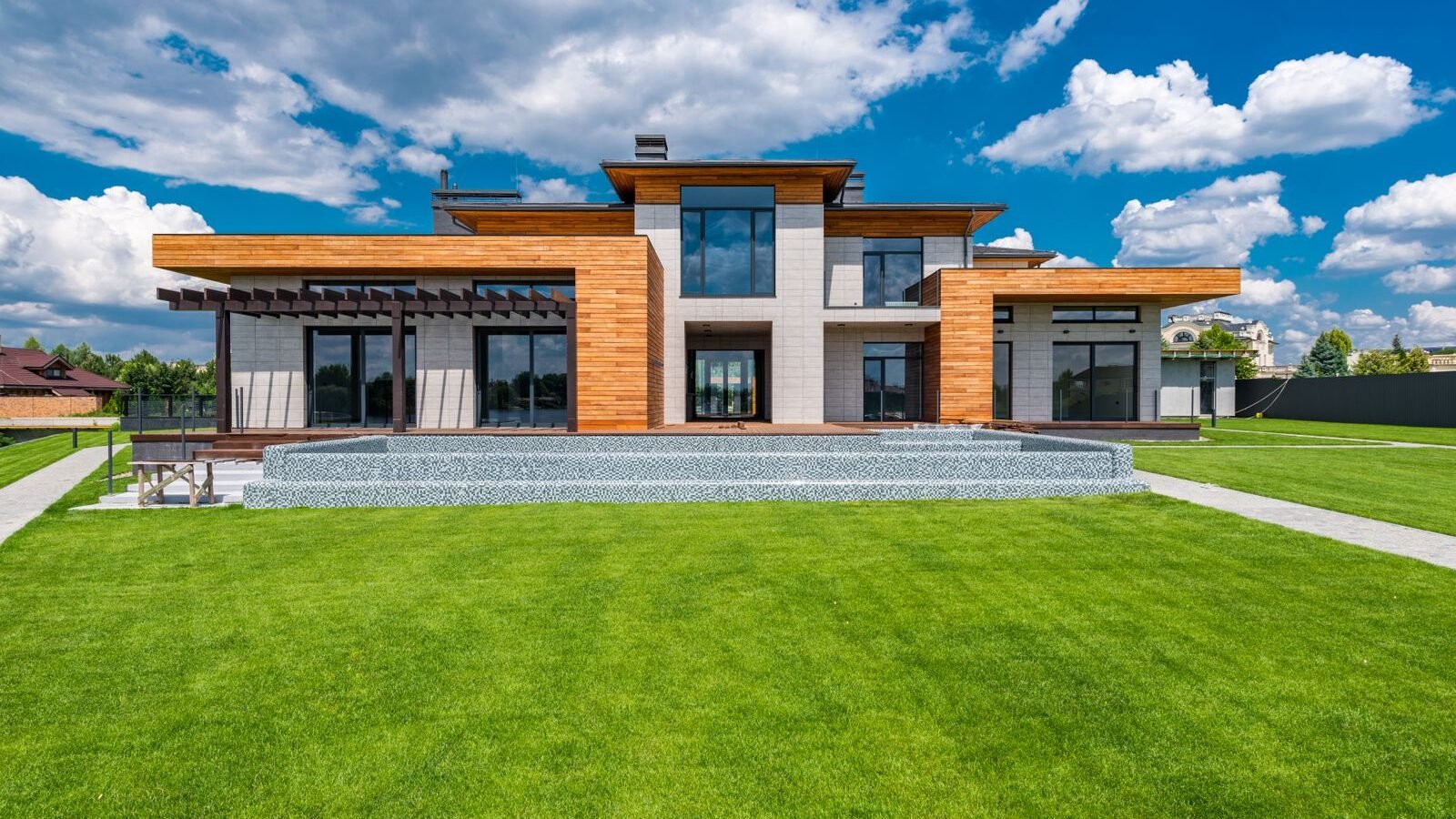
Align a patio or deck with the kitchen route, but leave a clear path to the gate and shed. Mark the table and chairs at full size, including the pull-back space, before deciding how much hardstanding you need. A two-metre square seating pocket, a narrow bench under a tree or a small pergola can create a destination without paving the entire garden. Our small garden privacy ideas can help if the plot is overlooked.
Storage, drying and play
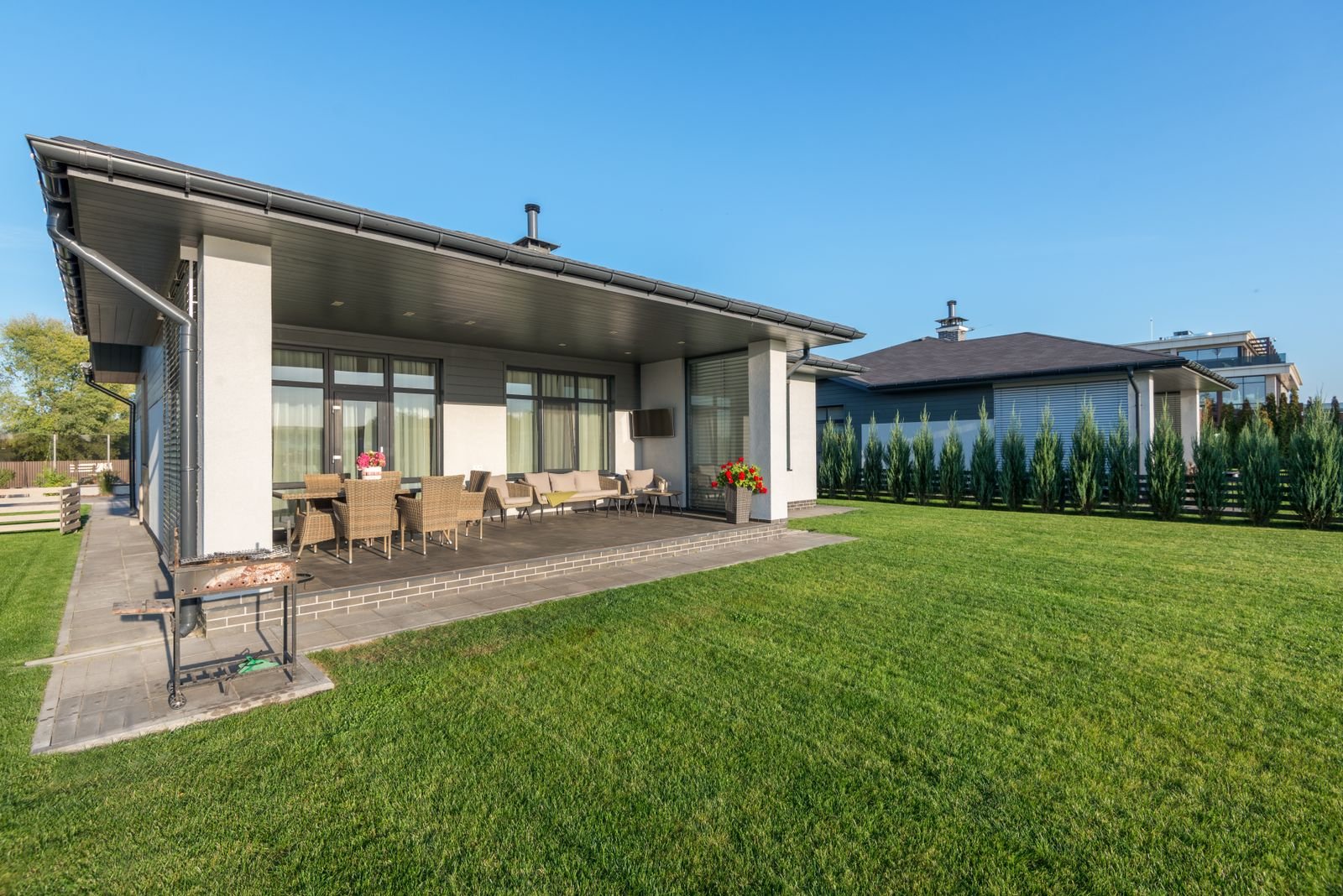
Reserve a practical strip for bins, bikes, washing and hose access. Keep play space visible from the kitchen and avoid putting a shed where its door blocks the narrowest route. A simple lawn is not wasted space if it is the flexible zone for children, pets or a table moved in summer; just make the edges deliberate with a border, path or low hedge.
Fix soil, levels and lawn
Do not plant straight into builder’s rubble or assume dark soil is good soil. Remove obvious debris, test drainage in a few locations and improve compacted ground with organic matter only after resolving the cause of standing water. If importing topsoil, use a reputable supplier and calculate the volume from area x depth; a small change across a whole plot quickly becomes several cubic metres.
For turf, level gently, firm the surface without compacting it and keep the first weeks consistently watered. For seed, April and early autumn can be useful windows depending on weather and soil temperature. Keep foot traffic off new turf and do not build a raised bed against damp-proof details or air bricks.
Build privacy that improves with time
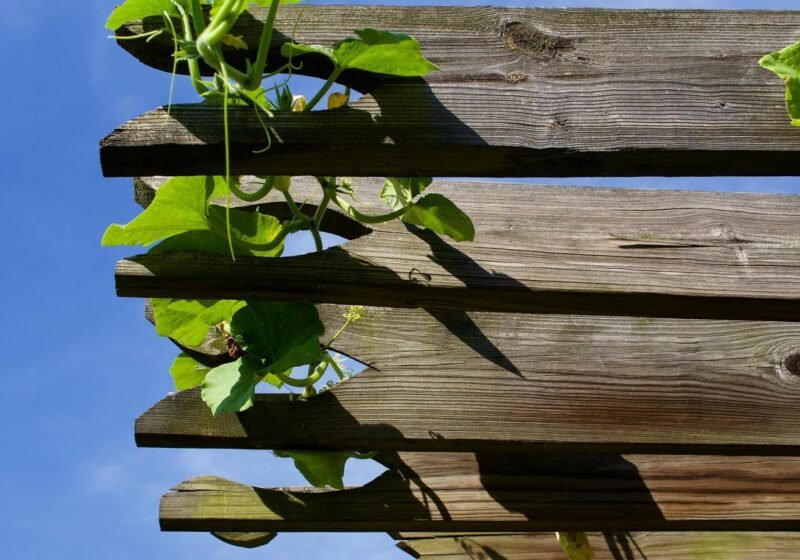
Use a mixed approach: trellis or a slatted panel for immediate height, evergreen structure for winter cover and deciduous trees or climbers for seasonal softness. Young plants are often better value and establish faster than oversized specimens if watered properly. Check mature height and root behaviour rather than buying the fastest-growing hedge available. Pergolas and screens can add privacy while plants fill out; read our wall-mounted pergola guide if the house wall is the best anchor.
Phase hard landscaping and budget
A sensible sequence is drainage and levels, paths and patio, boundaries and storage, then lawn and planting. Get at least two quotes for substantial work and ask whether excavation, waste removal, sub-base, edging, drainage and reinstatement are included. A phased garden might spend £2,000 to £5,000 first on the essential structure and soil, then add planting and furniture over two seasons; the plot size and access can move that figure significantly.
Before installing a shed, pergola, office or tall screen, check the Planning Portal outbuilding guidance and the development’s covenant. A new build does not automatically have unlimited permitted-development rights.
Add wildlife value and lighting
Keep one dense planted edge, add nectar-rich flowers across the seasons and use a water source that is safe and easy to clean. Avoid a lawn-only plot if biodiversity matters, but keep planting close to the rooms where you will see it. Warm, low-level lighting on routes is kinder to neighbours and wildlife than bright all-night floodlighting. Use the existing outdoor lighting guide to layer light rather than lining every border with fittings.
A simple three-year plan
- First season: inspect, fix drainage and levels, establish boundaries, make one usable seating area and improve soil.
- Second season: plant screening, fill the main borders, add storage and refine the lawn edges.
- Third season: replace failures, add seasonal colour, improve lighting and review how the garden is really used.
Frequently Asked Questions
Q1. What should I do first in a new-build garden?
Inspect drainage, soil depth, rubble, levels, boundaries and restrictions before spending on finishes. Mark the main routes and furniture zones next.
Q2. Is new-build garden soil good enough for planting?
It may be shallow, compacted or mixed with rubble. Test drainage and soil condition, remove debris and improve or replace soil where the planting plan requires it.
Q3. How can I add privacy quickly?
Combine temporary screening or trellis with young evergreen plants, climbers and a small tree suited to the aspect. Check mature sizes and covenants before planting.
Q4. How much does a new-build garden cost to landscape?
Costs vary with access, size, drainage and materials. A phased plan may start around a few thousand pounds for essential structure, soil and planting, with furniture and detail added later.
Final Thoughts
A new garden is not a race to cover every inch. Solve water and soil first, establish privacy and one useful zone, then let planting and observation guide the next investment. That approach creates a garden that belongs to the house rather than a showroom layout that is hard to maintain.