A metal pergola can create a crisp frame for outdoor seating, but the material label does not tell you whether the structure suits the ground or weather exposure. Aluminium is light; steel can be heavier and stiffer; both depend on sound connections and foundations.
Mark the posts, roof projection and drainage before comparing colours. The finished structure must leave paths, doors and neighbouring boundaries usable, with enough access to inspect the coating and fixings. pergola-kit foundation advice
Compare aluminium and steel
Aluminium resists rust and is easier to handle, while protected steel can offer a robust frame but needs attention to coating damage and corrosion at joints. Our pergola-kit guide shows why the ground fixing and complete footprint matter as much as the headline material. retractable roof considerations
Check the base and connections
Check post sections, brackets, anchors, welds, coating and foundation details. A decorative frame fixed into loose paving is not equivalent to a designed structure, particularly where a roof or screen catches wind. outdoor shading and weather checks
Plan roof, drainage and boundaries
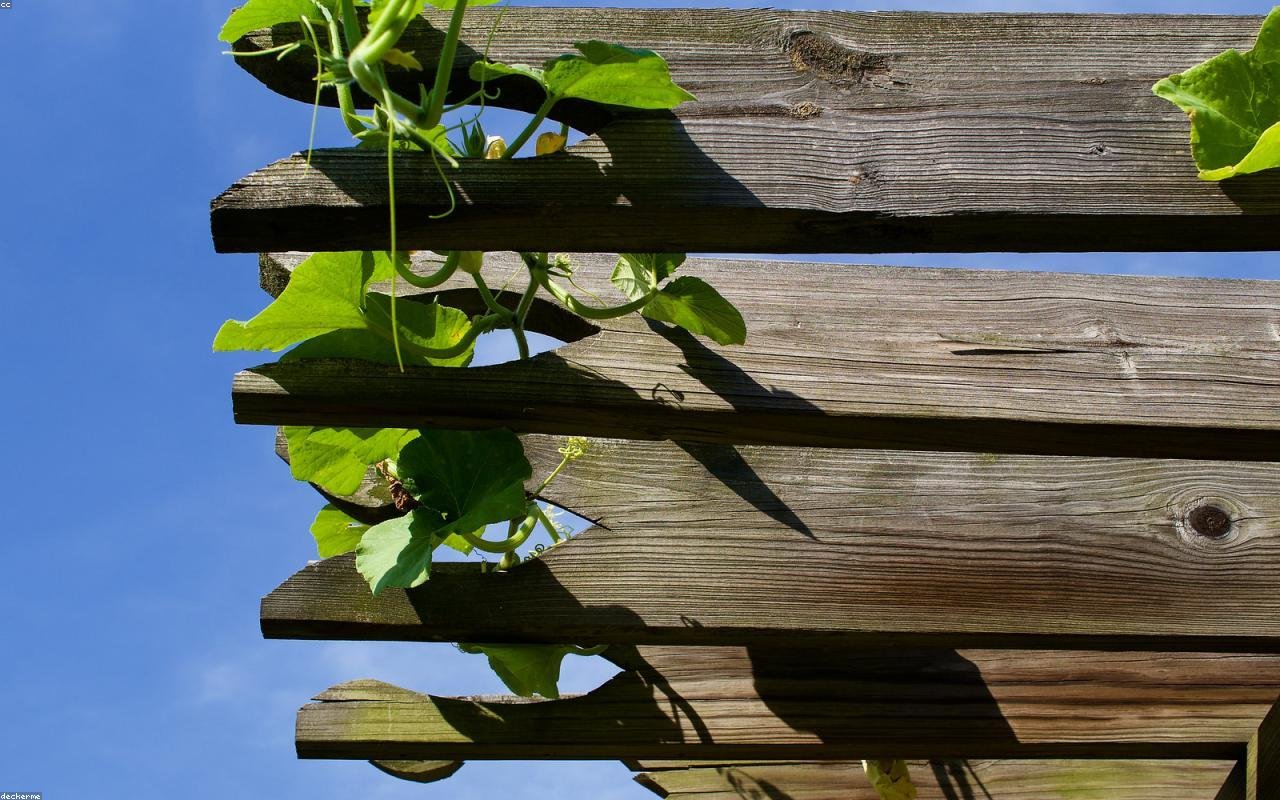
Consider louvres, fabric, screens and climbing plants as added loads and maintenance. The Planning Portal outbuilding guidance is a useful starting point for permission questions, while local restrictions and the product drawings remain specific.
Measure, position and prepare
Measure post centres, span, height, overhang, foundation depth and drainage route. Check underground services, boundary distances and the route for delivery and assembly. Planning Portal outbuilding guidance
- Match the foundation and anchors to the frame.
- Check coating, joints and corrosion protection.
- Measure the complete roof and screen projection.
- Keep drainage away from walls and paths.
- Confirm planning and boundary requirements.
Use and maintain it well
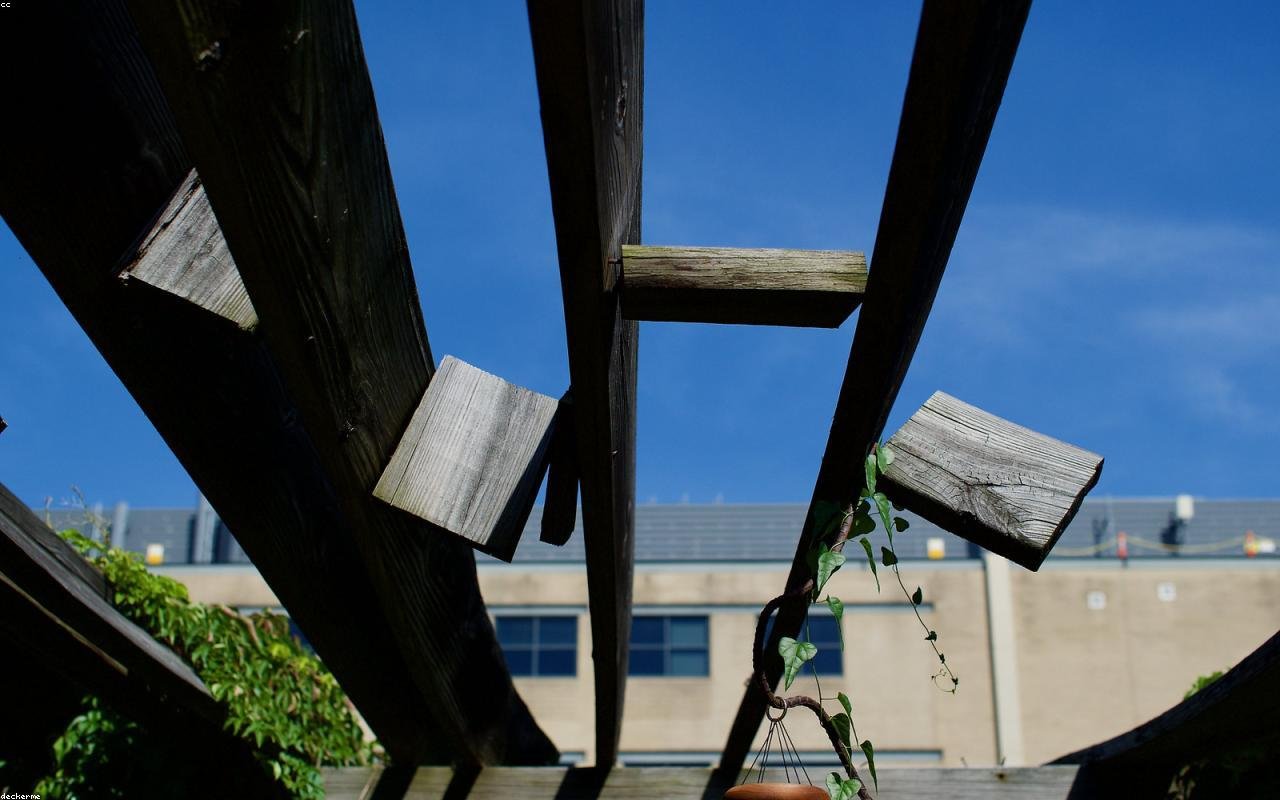
Wash the coating with the recommended method, clear gutters or tracks and touch up damage before corrosion reaches the substrate. Inspect anchors after severe weather and keep plant growth away from moving parts.
Common mistakes to avoid
- Treating paving slabs as a structural foundation.
- Adding a roof or screen without reassessing loads.
- Drilling a coated post without protecting the cut.
- Blocking a drain or maintenance route.
- Ignoring corrosion at hidden brackets.
Prices are indicative and not financial advice.
Frequently Asked Questions
What should I decide first about metal pergola?
Aluminium resists rust and is easier to handle, while protected steel can offer a robust frame but needs attention to coating damage and corrosion at joints. Our pergola-kit guide shows why the ground fixing and complete footprint matter as much as the headline material.
Which metal pergola options are worth comparing?
Check post sections, brackets, anchors, welds, coating and foundation details. A decorative frame fixed into loose paving is not equivalent to a designed structure, particularly where a roof or screen catches wind.
How should I measure and prepare for metal pergola?
Measure post centres, span, height, overhang, foundation depth and drainage route. Check underground services, boundary distances and the route for delivery and assembly.
How can I keep metal pergola working well?
Wash the coating with the recommended method, clear gutters or tracks and touch up damage before corrosion reaches the substrate. Inspect anchors after severe weather and keep plant growth away from moving parts.
Final Thoughts
A metal pergola is a system of posts, connections, foundations and weather details. Choose the material honestly, verify the base and plan drainage and permissions before the frame arrives.