For most UK homes, start with two or three cushions on a small sofa, three to five on a three-seater and five to eight on a corner sofa. Treat those numbers as a starting point, not a rule: the sofa’s width, seat depth, cushion size and how you use the room matter more than a perfect count.
The best arrangement looks inviting but still leaves a clear place to sit. If you have to remove half the cushions before anyone can get comfortable, the sofa is over-styled for everyday life.
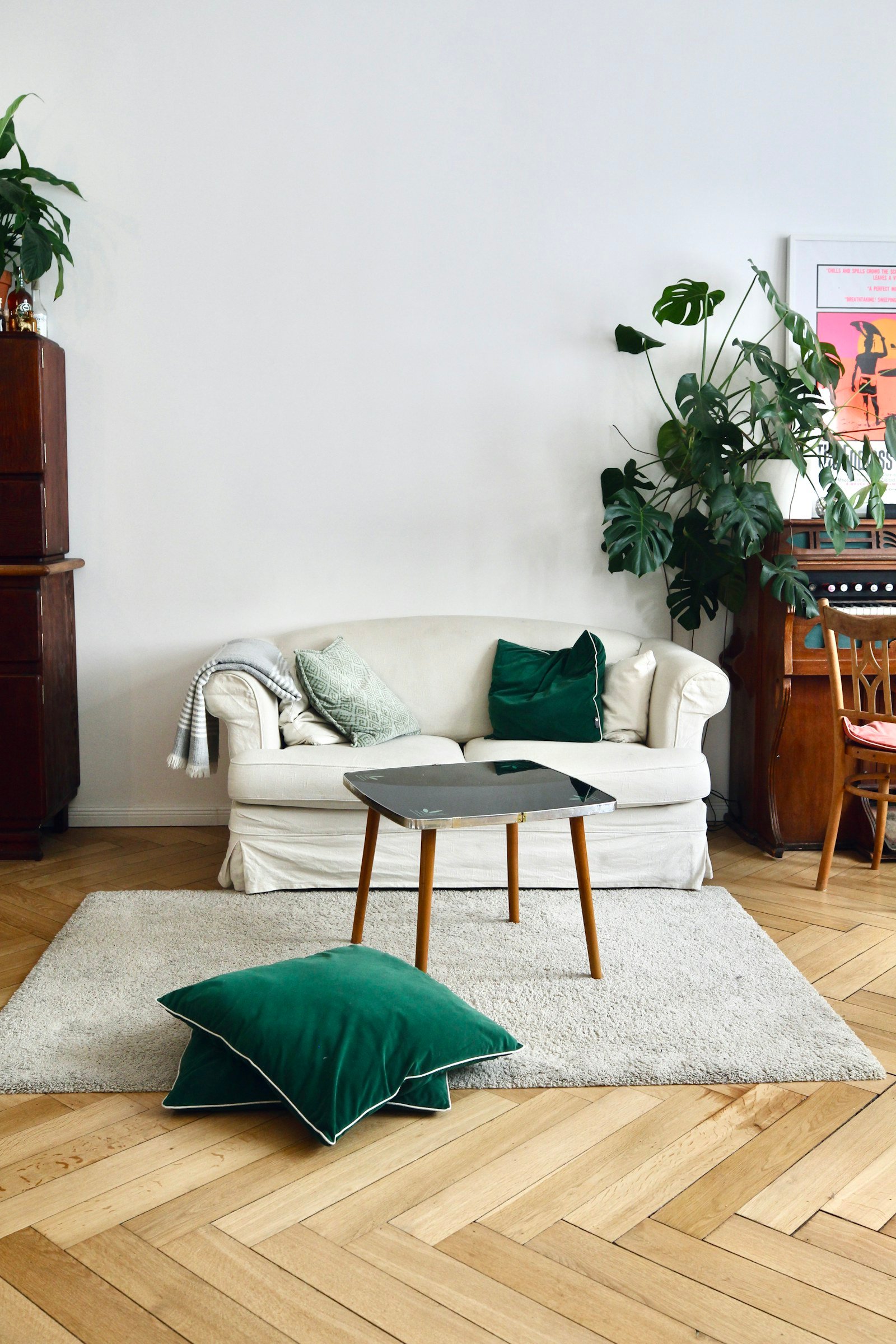
How many cushions should go on a sofa?
Use the table as a practical first arrangement. It refers to removable scatter cushions, not the fixed back cushions supplied with the sofa.
| Sofa type | Good starting number | Useful arrangement |
|---|---|---|
| Armchair | 1-2 | One square or one square with a small lumbar cushion |
| Two-seater | 2-4 | Two matching cushions or a layered pair at each end |
| Three-seater | 3-5 | Two larger cushions at the ends with one or two accents |
| Corner or chaise sofa | 5-8 | Build separate groups around the corner and main seats |
Odd numbers often feel less formal, which is why three or five can look relaxed. Even numbers can be better when you want a balanced, symmetrical sofa. A useful guide from MFI’s sofa cushion advice also warns against filling every available inch on a large sofa.
Start with the sofa, not the cushions
Before choosing a number, look at the seat. A shallow sofa cannot comfortably carry thick, overfilled cushions because they push you forwards. A deep sofa may need larger cushions to make the back support feel comfortable. Reclining seats, low arms and a narrow chaise also change how much room is available.
- Leave the main sitting position clear enough for someone to sit down without moving everything.
- Check that a cushion does not cover a reclining mechanism or block the corner seat.
- Choose washable or removable covers if the sofa is used by children, pets or frequent guests.
- Fluff feather and fibre-filled cushions regularly so the arrangement does not become flat.
Four cushion arrangements that work
1. Balanced pairs
Place a matching pair at each end of a three-seater sofa, then add one smaller accent in the centre if you want an odd-numbered finish. This is the easiest approach for a calm, symmetrical living room and works especially well when the sofa has a strong shape or a patterned fabric.
2. Layered ends
Put the largest cushions against the arms, overlap medium cushions in front and finish with one smaller or lumbar cushion. Keep the back row broadly consistent, then use the front cushion to introduce a colour or texture. This gives a fuller look without spreading small cushions randomly across the seat.
3. Relaxed asymmetric styling
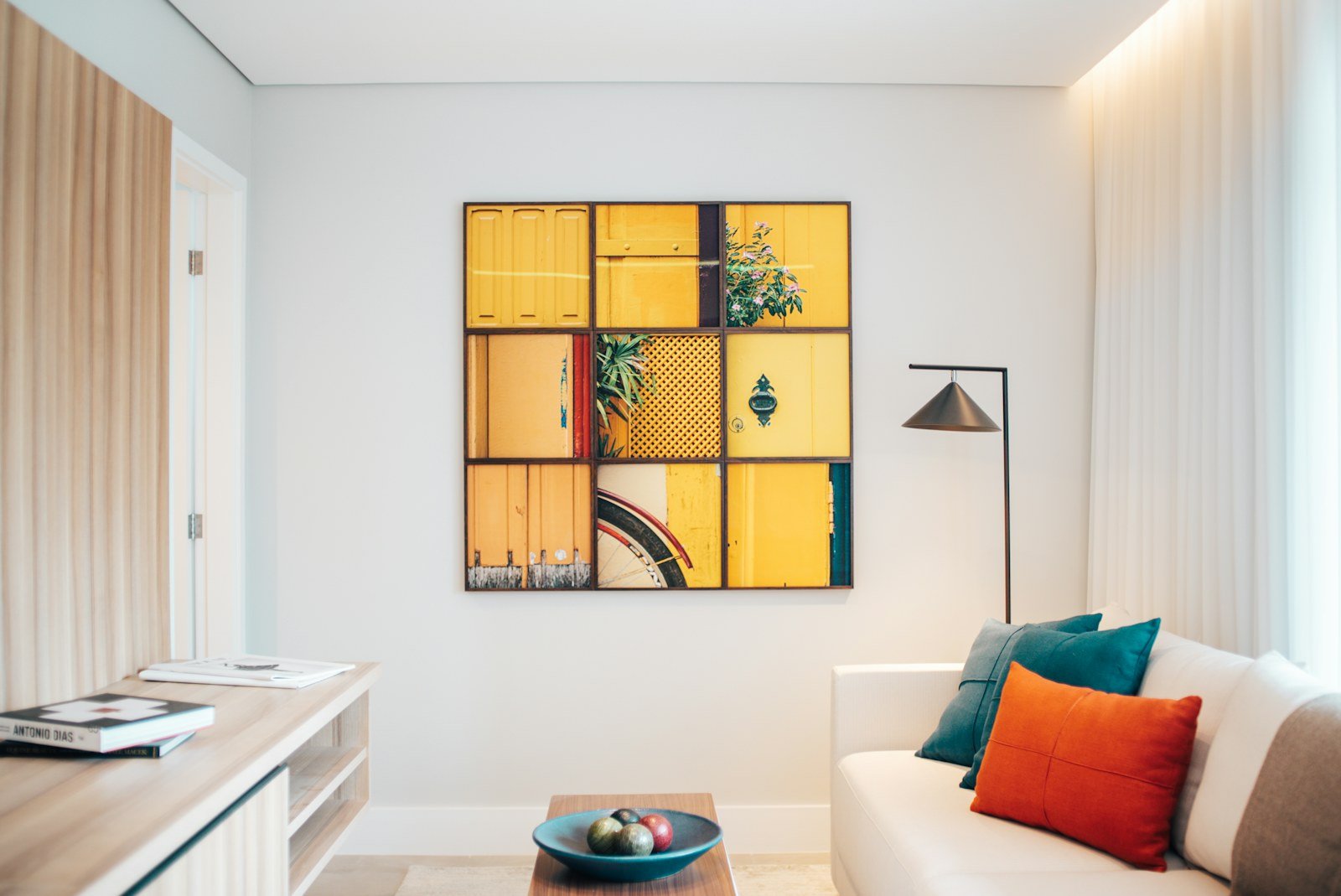
Group two cushions on one side and leave one on the other. The arrangement feels less formal, but it still has visual weight on both sides of the sofa. Use this when the coffee table, floor lamp or artwork already creates a natural focal point elsewhere in the room.
4. Corner sofa zones
Do not treat a corner sofa as one long straight line. Create a small group for the main seat, another around the corner and a lighter group on the chaise. Keep the corner itself usable, and avoid stacking cushions so high that the seat loses its depth.
Mix cushion sizes and shapes
Using one size everywhere can make a sofa look flat. A common starting combination is two larger square cushions at the back, a medium square or rectangular cushion in front and one lumbar shape for contrast. Typical UK sizes include 45 x 45 cm and 50 x 50 cm squares, but measure the cover and insert rather than assuming every brand uses the same dimensions.
- Square cushions: provide the main back layer and are easy to pair.
- Rectangular cushions: add a lower, longer shape for lumbar support.
- Round or small accent cushions: work best as a finishing detail rather than the main support.
- Bolsters: can suit a deep sofa, but avoid using one if it takes away valuable sitting width.
Choose a colour and texture mix
Start with a colour already in the room, such as the curtains, rug, artwork or wall paint. Add one related shade, then vary the texture so the set does not look like a matching showroom bundle. Linen, velvet, boucle, wool-look and woven covers can work together when they share a quiet colour link.
Pattern needs editing. If the sofa is bold, keep most cushions plain and let one pattern lead. If the sofa is neutral, you can use a stripe, small geometric or botanical print, but repeat one colour elsewhere so it feels connected. Ideal Home’s explanation of the rule of three is useful context for creating an odd-numbered group without making every item identical.
Make the sofa comfortable to use
Decorative cushions still need to earn their place. Sit on the sofa after arranging them and check whether your shoulders can rest naturally, whether the seat depth still works and whether you can reach the arm without moving a pile. Keep a basket or blanket box nearby if you like a fuller look but want to clear the sofa quickly.
For more help choosing the main piece, see our guide to choosing a sofa for a UK home. You can then connect the cushion colours to the wider room with our living room colour ideas, cosy living room ideas and coffee table styling guide.
A simple styling sequence
- Remove every loose cushion and sit on the sofa as you normally would.
- Put the two largest cushions at the back, usually near the arms.
- Add a second size or shape in front of them.
- Introduce one accent colour or pattern, then stop and check the available seat.
- Move one cushion away if the arrangement looks crowded or feels awkward.
Frequently Asked Questions
Q1. How many cushions should be on a three-seater sofa?
Start with three to five removable cushions. Use three for a lighter, more practical look and five for a fuller layered arrangement, provided people can still sit comfortably.
Q2. Should sofa cushions match?
They do not need to match exactly. Use a shared colour or material link, then vary the size, texture or pattern so the arrangement feels coordinated rather than repetitive.
Q3. Is it better to use an odd or even number?
Odd numbers often look relaxed and informal, while even numbers create symmetry. Choose the one that suits the sofa and the amount of clear seating you need.
Q4. How do you stop cushions sliding on a leather sofa?
Choose covers with a little texture, avoid very slippery satin finishes and use inserts that fit properly. A discreet non-slip mat beneath the back row can also help, provided it does not damage the leather.