
Coffee Table Accents by Shape, Size and Use: 19 Practical UK Styling Ideas
Meta description: Style coffee table accents for round, square, nesting and ottoman tables with measured layouts, UK-friendly budgets, family-safe ideas and useful tips.
Table of Contents
- Start with the table, not the trinkets
- The measurements that keep a display usable
- 19 coffee table accents that earn their place
- Choose a layout for your table shape
- Style for real life: small flats, families and entertaining
- A sensible UK budget and sourcing plan
- Coffee table accents: frequently asked questions
- Final thoughts
A coffee table display should look considered without making the room harder to live in. The best accents provide somewhere for a mug or remote, add height and texture, and reflect the people who use the room.
This guide takes a practical UK approach, choosing accents by table shape, available surface, sightline and real-life use. Use the measurements as starting points, then adjust them for your furniture.
Start with the table, not the trinkets
Before buying anything, measure the tabletop and note its relationship to the sofa. A 120 cm rectangular table can take a different composition from a 75 cm round table, while a lift-top or ottoman table needs some of its surface kept clear.
Make three quick decisions:
- What must remain usable? Decide where a drink, book or laptop will land. On a busy family table, leave a genuinely empty landing zone rather than styling every centimetre.
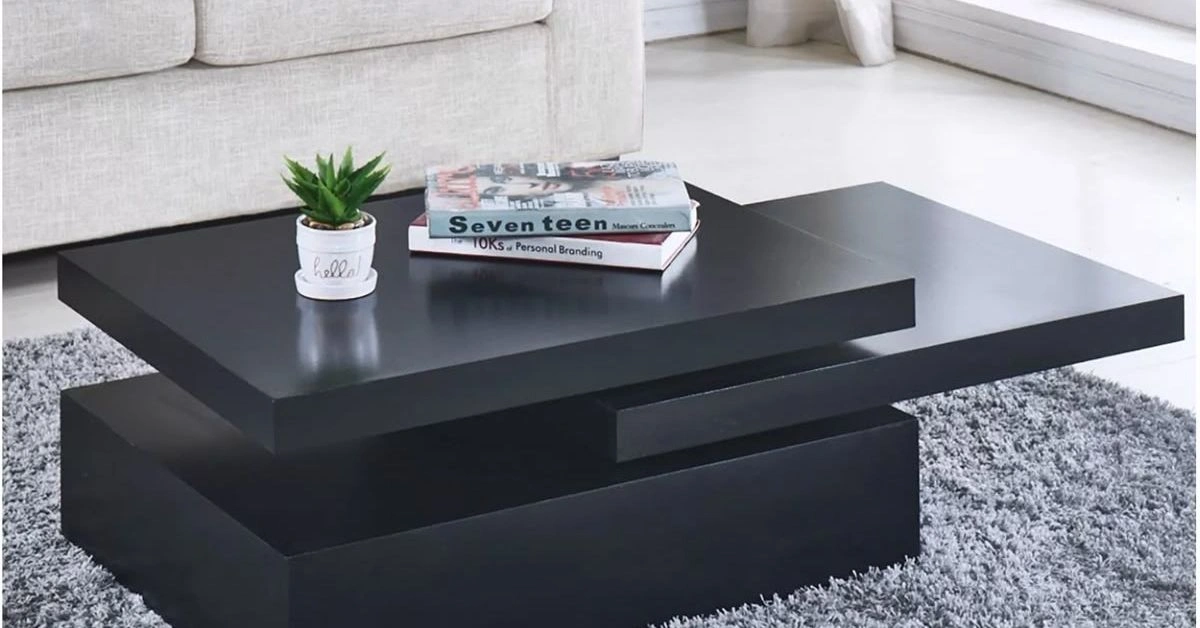
- What is the table’s visual weight? A chunky dark table can carry ceramics, books and a substantial tray. A slim glass table usually needs fewer, lighter pieces.
- What is the room’s main view? If the table sits between the sofa and television, keep the centre low. If it is viewed from a doorway, a taller sculptural piece can create a deliberate focal point.
For a useful starting formula, choose one practical anchor, one low horizontal element and one vertical or organic element. Add only what the surface can support.
If you are also choosing accessories for the wider room, keep this display as one part of the scheme rather than repeating the same objects on every shelf. Oak & Nook’s guide to home accessories for a UK interior is a useful companion when you are balancing the whole room.
The measurements that keep a display usable
Interior styling advice often says to vary height and group objects in odd numbers. Those principles help, but measurements are what stop a pretty arrangement becoming impractical.
- Sofa clearance: begin with approximately 40–45 cm between the front edge of the sofa and the coffee table. Reduce it only if the room is tight and people can still pass comfortably; increase it if the sofa reclines or the household needs more legroom.
- Table-to-seat relationship: a coffee table is usually easiest to use when its top is level with the sofa seat or no more than about 5 cm lower. Check the actual seat height, especially with low modular sofas.
- Sightline height: in a television-facing room, keep the tallest item roughly 25–30 cm above the tabletop unless it sits to one side. A tall vase in the centre can interrupt conversation and the view across the room.
- Tray scale: a tray around 30 × 20 cm suits a small table; on a larger rectangular table, 40 × 30 cm gives objects room to breathe. Leave a visible border of tabletop around it.
- Object spacing: allow roughly a finger’s width between small pieces. Crowding is harder to clean and makes individual items disappear.
- Clear edges: keep at least 8–10 cm clear around the table edge where possible. This protects objects from elbows and leaves space for setting down a drink.
These are styling guides, not building regulations. If a table is beside a walkway or used by children or pets, prioritise circulation, stability and safety over symmetry.
19 coffee table accents that earn their place
Each of these 19 ideas has a job in the composition. Pick two or three categories rather than buying all nineteen.
1. A tray that gathers the everyday pieces
A tray gives loose objects a visual boundary and makes it easier to clear the table before guests arrive. Choose a low-lipped tray with handles if the table is used for meals, or a flat wooden, metal or lacquered tray for a more decorative arrangement.
2. One or two decorative books
Books add a horizontal layer and a little colour. Stack two or three, not a precarious tower. Select covers that genuinely suit the household and keep the pile low enough to lift with one hand. For a more detailed approach, link to Oak & Nook’s decorative books guide rather than repeating a whole book-styling article here.
3. A slim magazine stack
A current magazine or a small stack makes the table feel used rather than staged. Keep the top issue within easy reach and recycle or rotate older copies so the pile does not become a permanent clutter magnet.
4. A shallow bowl for small essentials
A ceramic, wood or stone bowl can collect keys, coasters or the remote control. A shallow form is safer than a deep vessel: it allows you to see what is inside and prevents the table becoming a dumping ground.
5. A lidded box
A small box hides charging leads, matches or spare remotes while contributing pattern or texture. Check the lid clears nearby objects and avoid placing it where someone must move the entire display to open it.
6. A low vase with a few stems
You do not need a large bouquet. A low vase with three to five stems is easier to see over and refresh. Use a narrow footprint on a compact table, and put water-filled glass on a tray or mat to protect the surface.
7. A single sculptural branch
One branch in a sturdy vessel creates height with less visual noise than a full arrangement. Trim it so it does not brush faces or block the television. Dried stems should be secured if the room has children or pets.
8. A small houseplant
A healthy plant brings a useful living element, but choose one that tolerates the room’s light and will not shed soil onto the table. A cachepot with a saucer is practical; avoid a pot that needs frequent watering beside books or upholstery.
9. A bowl of seasonal fruit
Fruit works especially well when the table is used for entertaining. Use a stable bowl and a small quantity of fruit so it remains an accent rather than a second fruit bowl. Remove anything overripe promptly.
10. A candle in a weighty holder
A candle adds evening atmosphere and a vertical point in the display. Pick a holder with a broad base, keep it away from books and foliage, and never leave a lit flame unattended. Battery-operated candles are a sensible alternative in a family or pet room.
11. A lantern or enclosed light
An enclosed lantern can give a similar glow while protecting the flame from a passing sleeve. It still needs a heat-safe surface, room around it and careful supervision. Use one lantern rather than several competing lights on a small table.
12. A ceramic vessel
A small jug, bud vase or handmade pot adds colour and tactile variation even when empty. Repeat one colour from a cushion or artwork, but do not match every accessory exactly; a small difference makes the composition feel collected.
13. A tactile natural object
A smooth stone, piece of driftwood or small shell can provide a quiet organic note. Keep natural finds clean and stable, and avoid sharp-edged or very small pieces where they could be swallowed by a child or carried off by a pet.
14. A compact sculpture
A sculpture supplies shape rather than function, so it earns its place when the rest of the display is low and practical. Look for a stable base and turn it to suit the main viewing angle. One distinctive piece is stronger than several unrelated ornaments.
15. A vintage or second-hand find
A brass box, small framed object or old ceramic can make a room feel personal. Check for flaking finishes, sharp edges and water damage before bringing it into daily use. Second-hand shops and charity shops are useful for one-off pieces without a showroom look.
16. A pair of coasters with a home
Coasters are functional accents when they are easy to find. Put two or four in a shallow holder or on the tray rather than scattering them across the tabletop.
17. A small decanter or drinks carafe
In an adult entertaining area, a decanter can add shine and height. Keep it empty unless the table is stable and the contents are appropriate for the household. On a small table, use the decanter as the single vertical accent and remove other tall objects.
18. A soft basket or covered container
A compact basket is useful for throws, game pieces or children’s books when the table has an open shelf or sits beside it. It is usually better on the lower level or floor than on a small tabletop, where its texture can overwhelm the display.
19. A rotating seasonal accent
Finish with one item that changes: a small wreath in winter, a painted egg cup in spring, a shell in summer or a dried seed head in autumn. A single seasonal cue keeps the room fresh without requiring a complete restyle.
Choose a layout for your table shape
Rectangular tables: use a long axis, not a line of clutter
A rectangular table benefits from a composition that echoes its length. Place a tray or two-book stack over one-third of the surface, then add a low bowl or vase towards the opposite side. Leave the middle or the end nearest the sofa clear if that is where drinks usually land.
For a 120 × 60 cm table, try a 40 × 30 cm tray at one end, a low bowl near the other, and no more than one item on top. The asymmetry prevents a row-of-shop-displays effect.
Round tables: divide the surface into zones
A round table has no natural front, so a central cluster works well. Use a round tray or bowl as the anchor and arrange three pieces of different heights around it. Alternatively, divide the surface into three visual wedges: books in one, a plant in another, and an open drinks zone in the third.
Avoid a tall, narrow object directly in the centre if the table is used for conversation. A low bowl with one slightly taller piece at the rear edge usually gives better sightlines.
Square tables: keep the centre calm
Square tables can look busy quickly because objects sit close to every edge. A centred tray measuring about half the table width gives the display a clear boundary. On a 75 × 75 cm table, keep the main composition around 35–40 cm wide and use one taller accent only if the table is away from the television sightline.
Nesting tables: style the pair as one unit
Treat nesting tables as one flexible surface when they are together, but do not block the smaller table’s movement. Keep the larger table to one practical accent—perhaps a tray—and use the smaller table for a single bowl or lamp-like object. When guests arrive, separate them and move the decorative pieces with the table they belong to.
Ottoman and lift-top tables: prioritise a clear lid
An upholstered ottoman needs a tray with a stable base so drinks do not tip. Keep the tray light enough to lift, and avoid placing breakables on a lift-top mechanism. If the table opens for storage, mark a simple ‘clear before lifting’ habit for everyone who uses it.
Style for real life: small flats, families and entertaining
The small-flat edit
In a flat or compact sitting room, use one multi-tasking tray, one low bowl and one vertical accent. Choose objects with a small footprint and a second purpose: a lidded box can hide remotes, while a tray can move to the kitchen.
Keep the palette restrained—two main colours plus a natural material is enough—and let the empty tabletop do some of the visual work. If the table is near a door or a narrow route, circulation matters more than a perfect arrangement.
The family and pet-safe edit
Replace fragile glass and small loose ornaments with weighty ceramics, soft-sided boxes and battery-operated candles. Avoid sharp corners, trailing plant stems, hot drinks at the table edge and anything small enough to be swallowed. Secure tall pieces or remove them when children are playing nearby; never assume a decorative object is stable because it looks heavy.
A shallow lidded box is often more useful than a bowl in a family room because it conceals small items and can be closed quickly. Keep the centre of the table open for play, snacks or homework rather than trying to preserve a showroom-style cluster.
The entertaining edit
For guests, style the table around movement. Put coasters, napkins and a bowl within reach, but leave enough room to set down a glass. A tray can carry a carafe and glasses to the room, then move to a sideboard once everyone is seated. Keep candles and tall flowers to one side so conversation remains face-to-face.
A sensible UK budget and sourcing plan
The figures below are planning allowances, not live quotations, and are dated October 2026. Prices vary by material, size, retailer, delivery and whether an item is handmade or vintage.
- Under £35: edit what you already own, then add one tray, bowl or second-hand accent. This is enough to create a coherent base on a small table.
- £35–£100: build a three-part arrangement with a better-quality tray, a book or magazine stack, and one ceramic, plant or candle. This is a realistic refresh rather than a complete room makeover.
- £100–£250: allow for a layered scheme using a substantial tray, a handmade or vintage focal piece, a plant or vase and several functional accessories. Spend on the item you handle most, such as the tray or bowl.
- £250 and above: this is usually a whole-room or bespoke-accessory budget, not a requirement for a good coffee-table display. Consider whether the money would be better used on lighting, upholstery or storage elsewhere in the room.
Independent makers and charity shops can be good for ceramics and vintage pieces; mainstream home retailers are useful for consistent trays, coasters and battery lighting. The audit’s competitor set also shows useful visual approaches from The English Home, Liberty London, Soho Home, Castlery UK and TK Maxx UK. Check live dimensions, materials, delivery terms and prices before buying.
Coffee table accents: frequently asked questions
How many accents should go on a coffee table?
There is no fixed number. On a small table, three related pieces can be enough; on a large rectangular table, a tray plus two or three supporting objects may work. Start with the functional anchor, then stop when the display begins to reduce usable surface or obscure the table’s shape.
What should go on a coffee table first?
Start with the item that organises the rest—usually a tray, shallow bowl or stack of books. Add one textural or organic element and one piece with height. This gives you a balanced base before you decide whether another object genuinely improves it.
How do you style a round coffee table?
Use a central low cluster or divide the tabletop into three zones. A round tray, shallow bowl and one slightly taller vase create a clear composition without forcing objects into corners. Keep the centre low if the table sits between facing sofas or in front of a television.
What is safest on a family coffee table?
Choose stable, heavier objects with rounded edges and avoid loose tiny pieces, breakable glass, trailing cords, open flames and toxic plants where children or pets can reach them. A low lidded box, washable tray and battery-operated candle are practical alternatives.
Should coffee table accents match the rest of the room?
They should relate, not match perfectly. Repeat one colour, finish or material from the room, then introduce a contrasting texture—such as wood beside ceramic or linen beside metal. Exact matching can make the display look packaged rather than personal.
How often should you refresh a coffee table display?
Refresh it when the season, household routine or table use changes. A small edit every few weeks is more sustainable than replacing everything: rotate a book, swap the stems, remove one object or move the tray to change the balance.
Final thoughts
The most successful coffee table accents are measured around the life of the room. Begin with the table’s shape and space for a drink, book or laptop. Keep sightlines open, vary height and texture, and choose objects that can be moved easily.
For a rectangular table, let the composition travel along its length; for a round table, create zones; for a nesting or lift-top table, protect the furniture’s flexibility. Then edit for your household: stable and low for family rooms, compact and multi-purpose for small flats, and easy to clear when entertaining.
A tray, a useful bowl and one personal accent can be more successful than nineteen unrelated purchases. The aim is not to fill the tabletop, but to make it feel finished and functional.
2 thoughts on “Coffee Table Accents by Shape, Size and Use: 19 Practical UK Styling Ideas”