
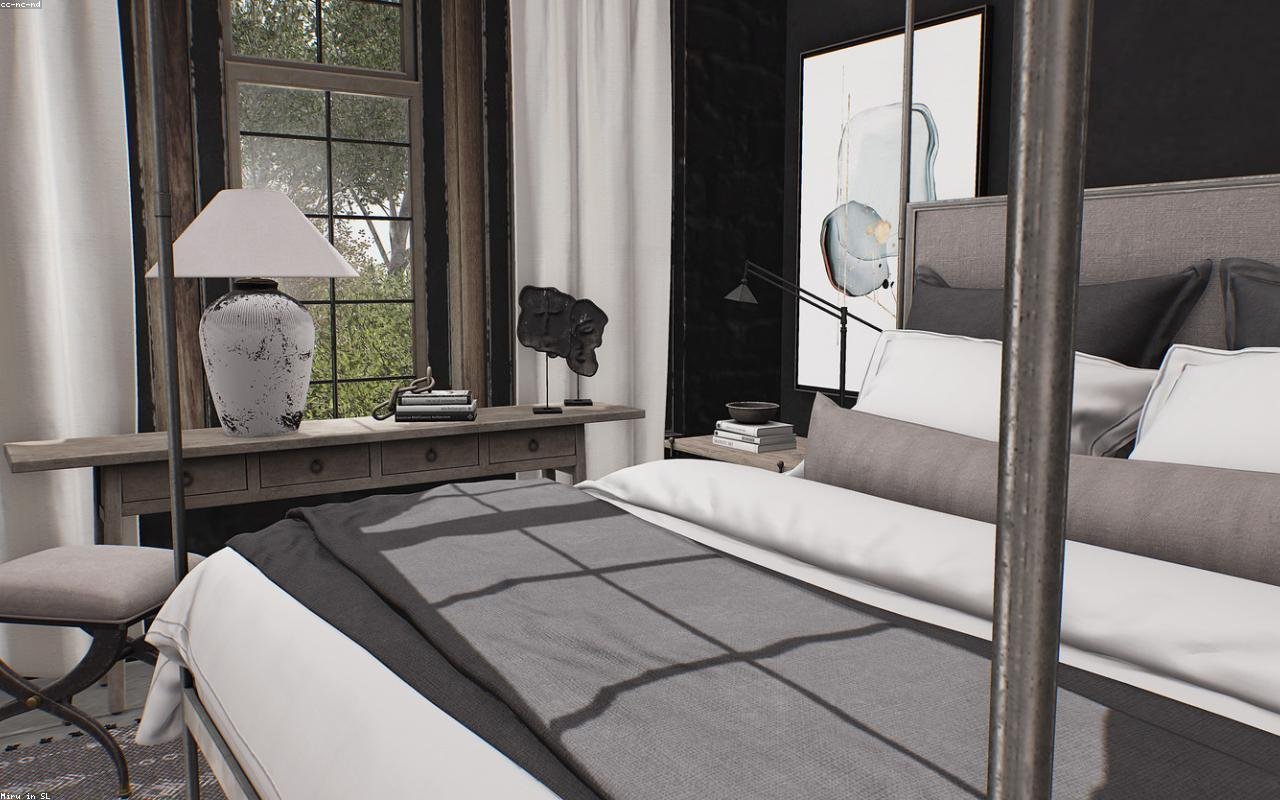
Bedroom carpet ideas become useful only when they survive the morning routine: bare feet, dressing furniture, vacuuming and the occasional spill. Pile height, underlay and colour affect comfort and maintenance as much as the sample pattern.
Measure the room, wardrobes, doors and stair route before choosing. Put samples beside the skirting and bedding, then look at them in daylight and under the lamps that will be used at night. non-slip runner advice
Match pile and fibre to the room
Wool feels warm and resilient, while synthetic fibres can offer stain resistance and a different price point. A deeper pile may feel luxurious but can catch wardrobe doors and make furniture harder to move; our hallway rug-runner guide explains why traffic and edge care matter. rug care and placement
Use colour and pattern carefully
Pale neutrals enlarge a small room but show soil, while a heather or restrained pattern can disguise everyday marks. Our dining-table rug guide is useful for understanding how floor colour changes around furniture and chair movement. carpet spill advice
Plan underlay, doors and cleaning
Choose underlay with the carpet, check door clearance and plan seams and thresholds. Use the GOV.UK furniture and furnishings safety information when adding rugs, loose mats or upholstered furniture to the room.
Measure, position and prepare
Measure floor area, stairs, door gaps, radiator positions and the route for rolls. Check moisture and subfloor condition before covering the floor. GOV.UK furniture-safety information
- Test samples beside the actual skirting and bedding.
- Check pile height against door and wardrobe clearance.
- Choose compatible underlay and fitting method.
- Inspect subfloor dryness and level.
- Plan a realistic vacuum and stain routine.
Use and maintain it well
Vacuum using the maker’s setting, blot spills quickly and move furniture carefully. Keep the carpet specification and underlay details for later repairs or matching.
Common mistakes to avoid
- Choosing on colour without checking pile.
- Ignoring door clearance after underlay is added.
- Using a cleaner without a fibre test.
- Placing loose rugs without grip.
- Covering a damp or uneven subfloor.
Prices are indicative and not financial advice.
Frequently Asked Questions
What should I decide first about bedroom carpet ideas?
Wool feels warm and resilient, while synthetic fibres can offer stain resistance and a different price point. A deeper pile may feel luxurious but can catch wardrobe doors and make furniture harder to move; our hallway rug-runner guide explains why traffic and edge care matter.
Which bedroom carpet ideas options are worth comparing?
Pale neutrals enlarge a small room but show soil, while a heather or restrained pattern can disguise everyday marks. Our dining-table rug guide is useful for understanding how floor colour changes around furniture and chair movement.
How should I measure and prepare for bedroom carpet ideas?
Measure floor area, stairs, door gaps, radiator positions and the route for rolls. Check moisture and subfloor condition before covering the floor.
How can I keep bedroom carpet ideas working well?
Vacuum using the maker’s setting, blot spills quickly and move furniture carefully. Keep the carpet specification and underlay details for later repairs or matching.
Final Thoughts
The strongest bedroom carpet choice balances touch, traffic, colour and clearance. Use samples in the real light, specify the underlay and plan cleaning before the floor is covered.