By Hannah Mercer, Oak and Nook Home Improvement Editor
Editorially reviewed by: Oak and Nook Home Standards Desk
Last updated: 12 October 2026
A book nook is most often a miniature scene, or diorama, made to sit between books on a shelf, usually built from a DIY kit. The same phrase also describes a cosy reading nook: a corner or seat at home arranged for comfort, light and book storage.
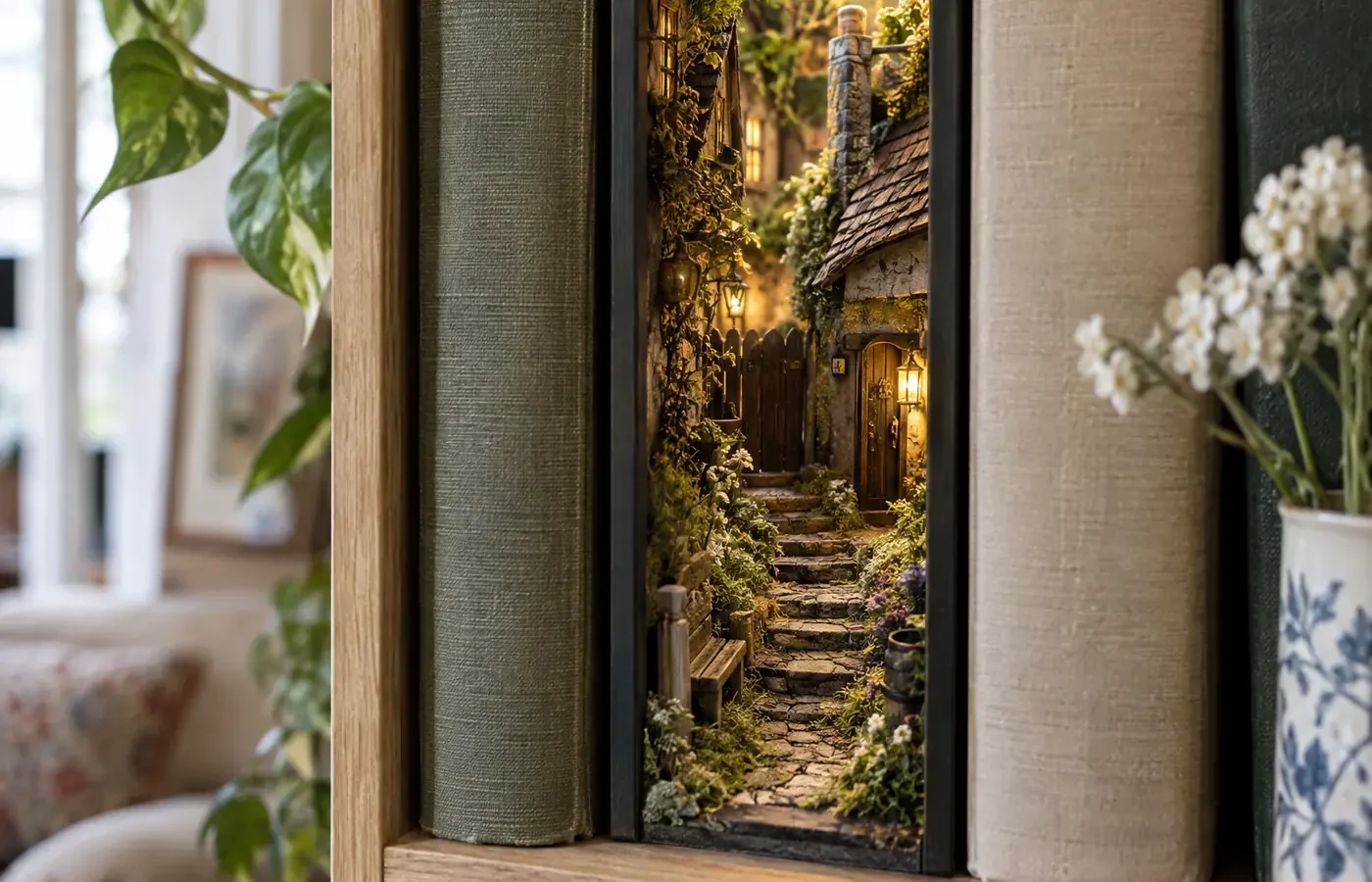
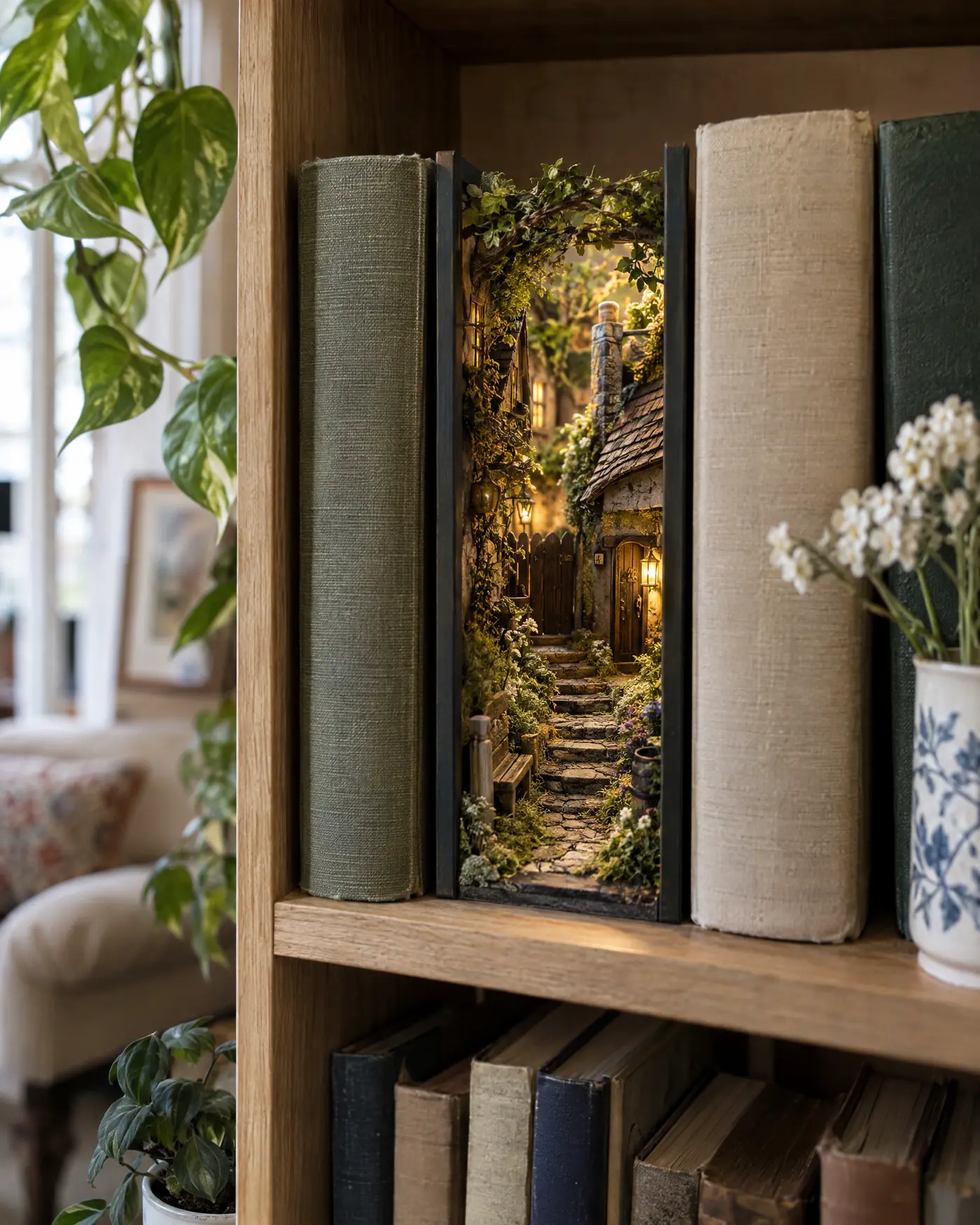
Illustrative image: the picture at the top of this page is an AI-generated concept of a shelf-insert scene, not a photograph of a real finished build.
What is a book nook? The phrase can refer to either a miniature shelf insert or a comfortable reading nook at home.
What are the two meanings of “book nook”?
The phrase is used for two different things: a human-sized reading corner and a miniature bookshelf insert. The first is a place to sit; the second is an object to display. Before choosing furniture, searching for a kit or setting a budget, decide which meaning you have in mind.
| Type | What it is | Main purpose | Typical place |
|---|---|---|---|
| Shelf-insert book nook | A miniature scene or diorama made to stand between books. | Decorative display and a hands-on craft project. | A bookcase or deep shelf with room for its base and lighting. |
| Reading nook | A small seated corner with a comfortable place to sit and enough light. | Reading, resting or having a quiet moment. | An alcove, bay window, bedroom corner or landing. |
| Bookcase or library corner | Storage for books, sometimes with a chair nearby. | Keeping and organising a collection; it may also create a reading spot. | A wall, alcove or dedicated library area. |
A reading nook does not need built-in furniture or a large collection of books. A chair beside a lamp can be enough. A shelf insert is different: it is a small object with a front-facing scene, often with layered details, and it uses shelf space rather than floor space.
What is a shelf-insert book nook?
A shelf-insert book nook is a small decorative scene designed to sit between books. It is usually viewed from the front and may show a street, room, shop or imaginary setting. Some are assembled from kits; others are handmade from card, wood, paper and found materials. It is a display object, not a place to sit.
Wikipedia describes a book nook, also called a bookshelf insert, as a miniature diorama designed to fit between books.
The scale and shape depend on the shelf and the idea. A narrow front can create the impression of looking into a deeper space; layered walls, a path or a doorway can add perspective. Before starting, check the available height, depth and width between books, and leave room for any cable or battery compartment if the design includes lights.
A kit can reduce the amount of measuring and cutting because pieces and instructions are supplied together. A from-scratch project allows more control over the theme and materials, but takes more planning. Neither route is automatically easier: small parts, painting and careful fitting can take patience in either case.
What does a shelf-insert book nook look like, and what is it used for?
Most shelf-insert book nooks are tall, narrow scenes that are open at the front, so they look like a tiny window or alleyway between two books. Popular themes include old-fashioned streets and bookshops, cosy reading rooms, cafés and train stations. People use them as shelf decoration, as a craft hobby and as gifts for book lovers.
Many kits include LED lighting, so check how the lights are powered and keep any battery compartment securely closed (see the safety section below).
How do you plan a shelf-insert book nook?
Plan the scene around the space where it will be displayed, then choose a simple visual idea before collecting materials. Decide what the viewer should notice first, how the front opening will frame it and whether it needs light. A paper mock-up helps test proportions without committing to a cut piece.
- Measure the shelf. Check the clear gap between books, shelf height and usable depth. Measure twice and allow room to slide the finished insert into place.
- Sketch one view. Draw the front opening and the main shapes behind it. Keep the first project to a few layers rather than filling every surface with tiny details.
- Choose the route. For a kit, check the stated skill level, supplied tools, lighting and assembly requirements before buying. For a handmade version, choose materials you can cut and join safely with the tools you already understand.
- Test the colours and layout. Arrange paper, miniature objects or recycled pieces without glue. Photograph the dry layout so you can compare it while assembling.
- Build from the back towards the front. Secure larger background pieces first, then add foreground details. Let adhesives and paint dry according to their labels before moving the scene.
- Finish and inspect. Check that edges are stable, no loose pieces fall out when the insert is moved, and any lights or battery compartment are secure. Dust it gently and keep it away from damp or direct heat.
For a first project, a small scene with a clear centre of interest is easier to finish than a complicated room full of miniature objects. Reclaimed card and paper can be useful for mock-ups, while a kit may be more convenient when you want coordinated parts. Do not copy another maker’s design or instructions; use the general planning process to develop your own scene.
How much does a shelf-insert book nook cost and how long does it take?
Kit makers state build times on the product page, so check the one you are considering. Rolife, one kit maker, suggests roughly 2–4 hours for simple kits and 6–10 hours or more for detailed ones. A handmade insert can cost £10–£40 and a kit about £25–£100-plus, as broad planning estimates; check current prices.
Time depends on detail, drying and lighting. Treat a printed build-time estimate as a guide for that specific kit, not a promise for every maker. Plan several sessions if paint or glue needs to set, and leave time for final adjustments. Oak and Nook has no commercial relationship with Rolife or any other kit maker mentioned.
The rest of this guide covers the other meaning: a reading nook you can sit in.
What makes a comfortable reading nook?
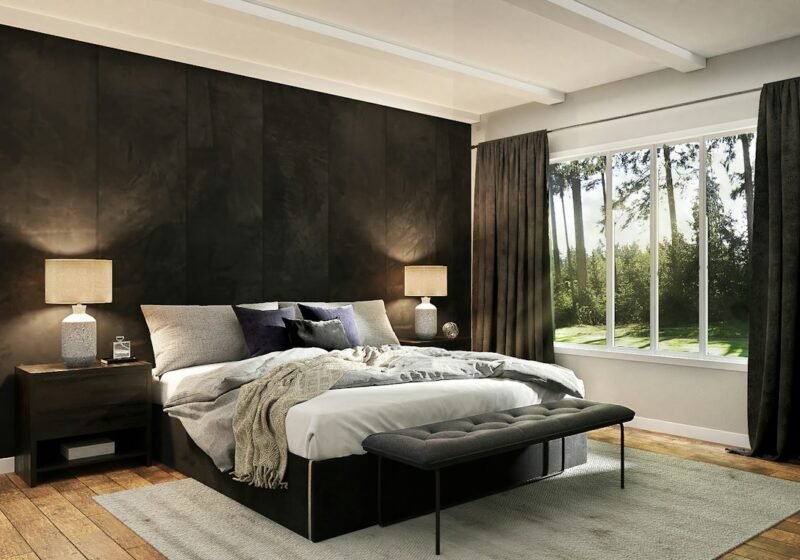
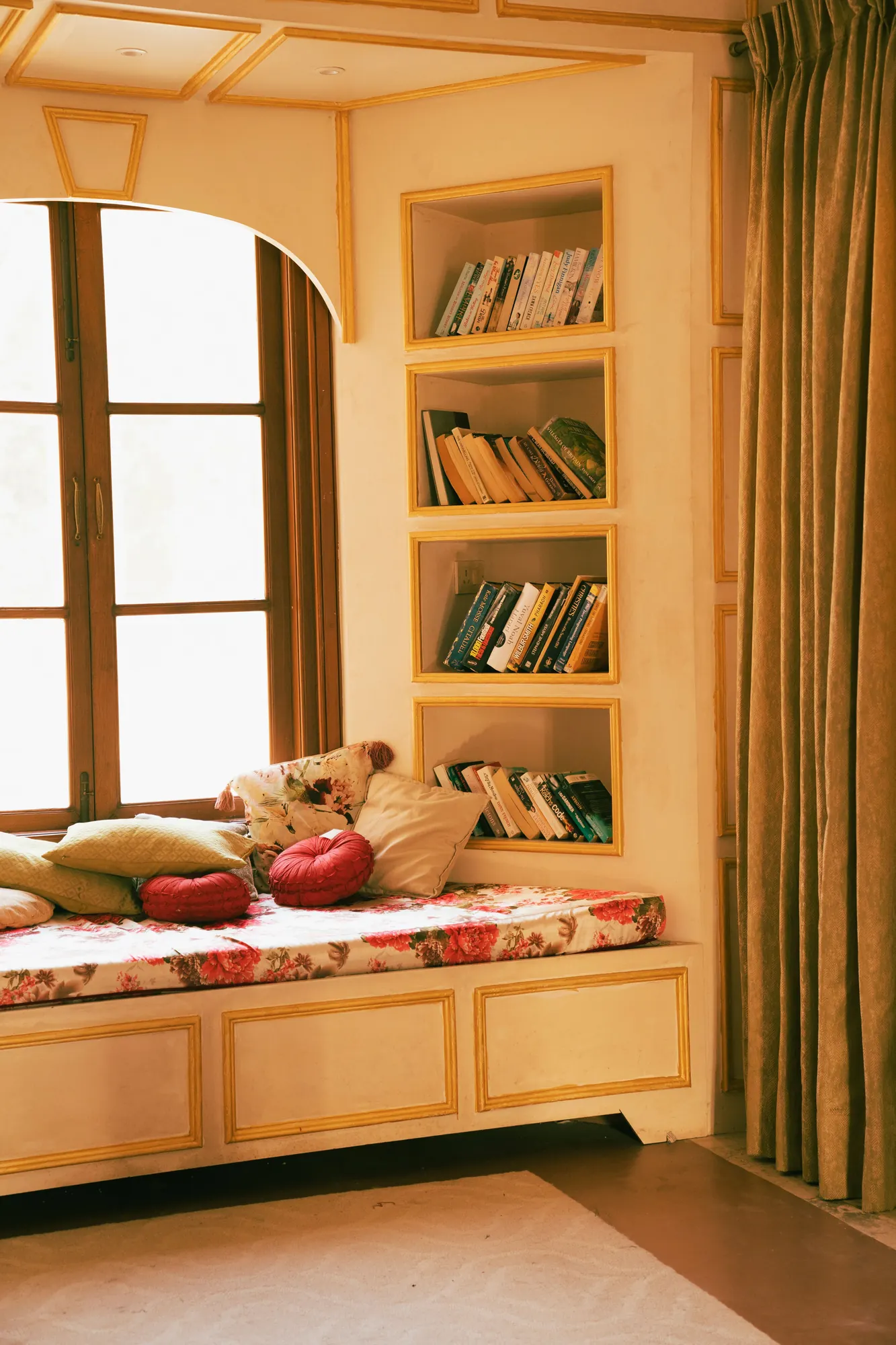
A comfortable reading nook starts with a seat you will actually use, light that works in the evening, and a place to put the book down. Add only the storage and soft furnishings that fit the room. A quiet feeling matters more than matching furniture or a particular decorating style.
Choose the seat before the accessories
Try the chair or bench in the position where it will live. Check that you can get in and out without moving a table, and that the seat depth suits the way you read. Some people want an upright chair with arms; others prefer a bench with a cushion or a low seat where they can tuck their legs up. If you already own a chair that feels good, start there rather than buying a new one to match a photograph.
For a compact corner, a footstool can be more flexible than a second chair. A window seat can make use of an existing recess, but do not cover a radiator or block a window that needs to open. A loose cushion or folded throw is easier to adjust than a permanent upholstered fit.
Layer light for day and evening
Place the seat where daylight is pleasant rather than glaring directly onto the page. For darker hours, aim a reading lamp towards the book, not into the reader’s eyes. A floor lamp can sit behind a chair; a small table lamp can work beside a bench if the surface is stable and its cable is out of the walking route. A plug-in lamp is the simplest option when you do not need fixed wiring.
Make storage useful, not crowded
Keep a few current reads within reach, then store the rest elsewhere if the corner is tight. A narrow shelf, basket or small side table can hold books, glasses and a cup without turning the seat into a dumping spot. For ideas on making the collection itself part of a room’s character, see Oak and Nook’s decorative-books ideas.
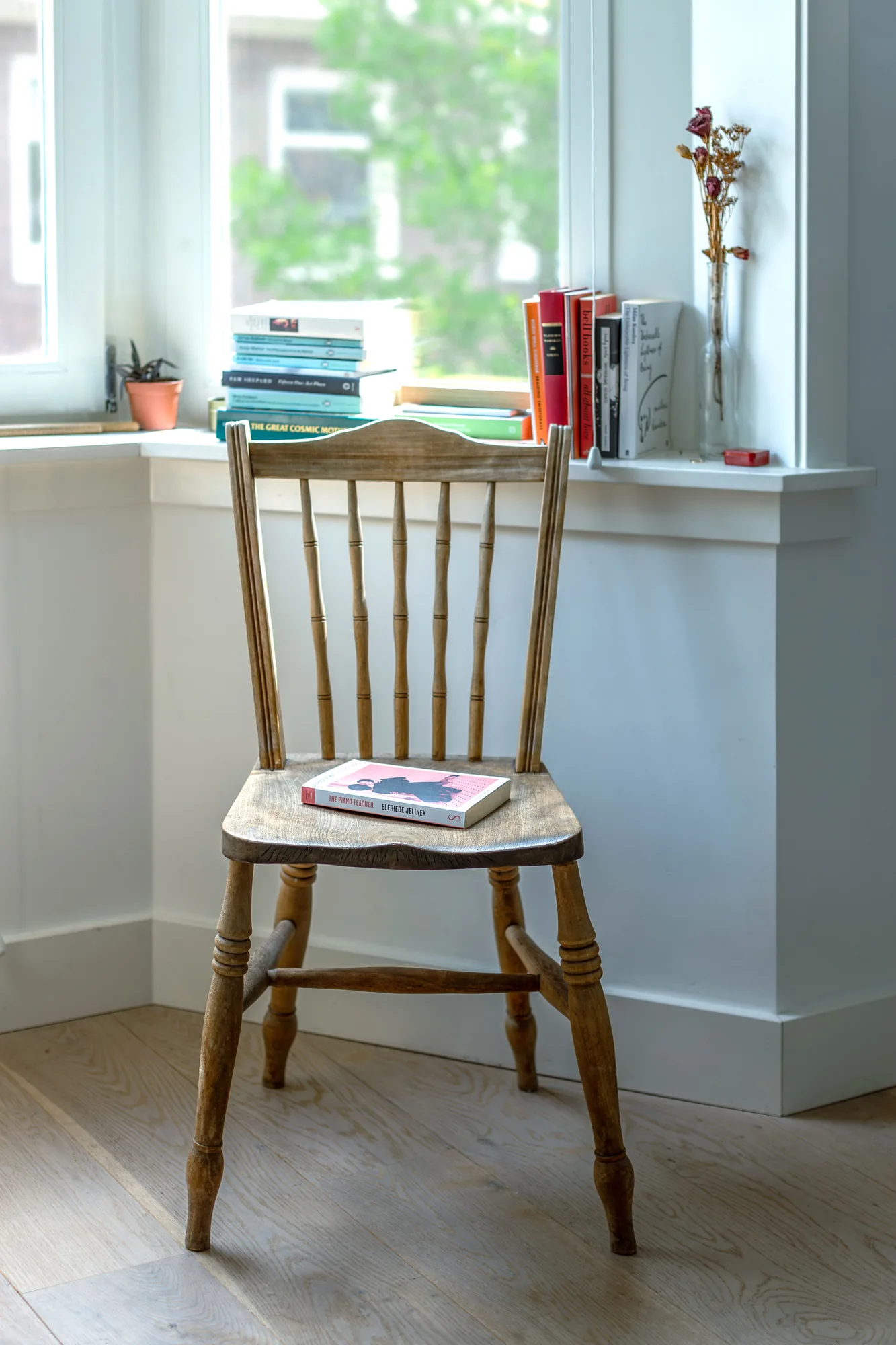
A nook can be a chair beside a lamp; it does not need built-ins or a large collection. Add one personal touch, such as a favourite cushion or print, and keep accessories clear of the seat and walking route.
Where can you put a reading nook in a UK home?
Look for a spot that is already underused and can take a seat without narrowing the route through the room. Alcoves and bay windows are natural candidates, but a bedroom corner, a landing or the space beneath stairs can also work. Measure first, then choose a layout that leaves doors, radiators and walkways usable.
Alcoves and bay windows
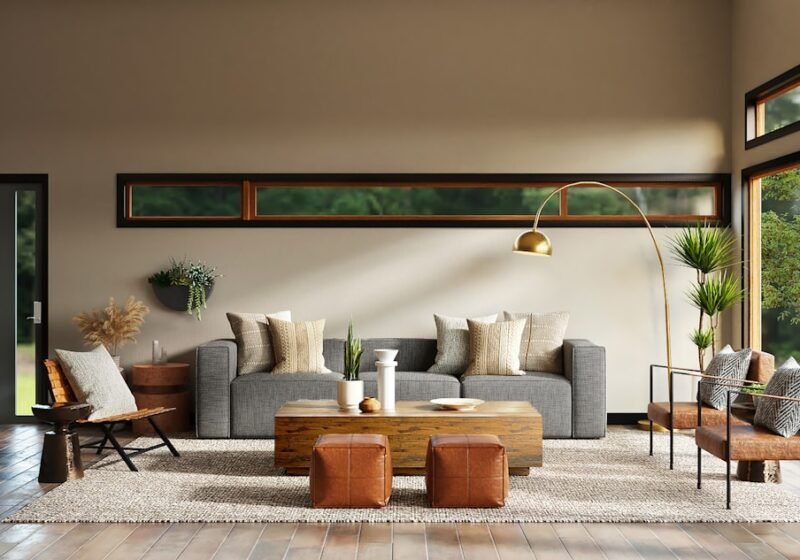
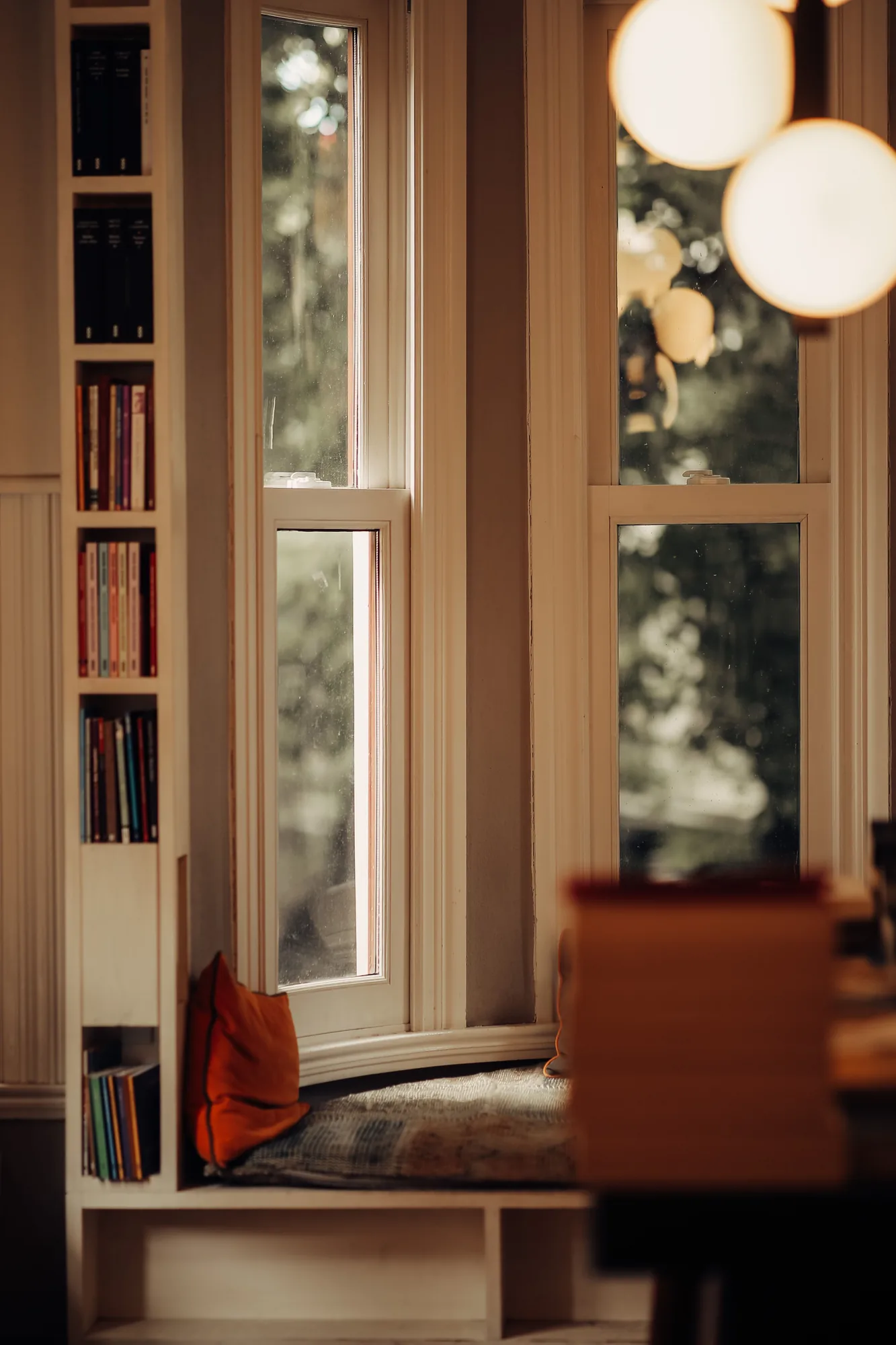
An alcove can take a compact armchair, a shallow book ledge or a made-to-measure bench. In a bay window, check sill height, window opening, draughts and how the seat will be supported before ordering a cushion. If the space is already part of a living-room wall, a low bench can connect the reading seat to the rest of the room rather than making it feel like an add-on. See Oak and Nook’s living-room unit ideas for bay-window-seat and library-wall inspiration.
Small flats, landings and under-stairs spaces
In a small flat, use the edge of a room rather than creating a new zone that competes with the main route. A compact chair with a wall light or a slim floor lamp can be easier to fit than a built-in bench. A landing can work if there is safe circulation around the seat, while an under-stairs corner may need extra attention to headroom and access. For broader room-zoning ideas, see Oak and Nook’s small-living-room design tips.
Bedrooms and children’s rooms
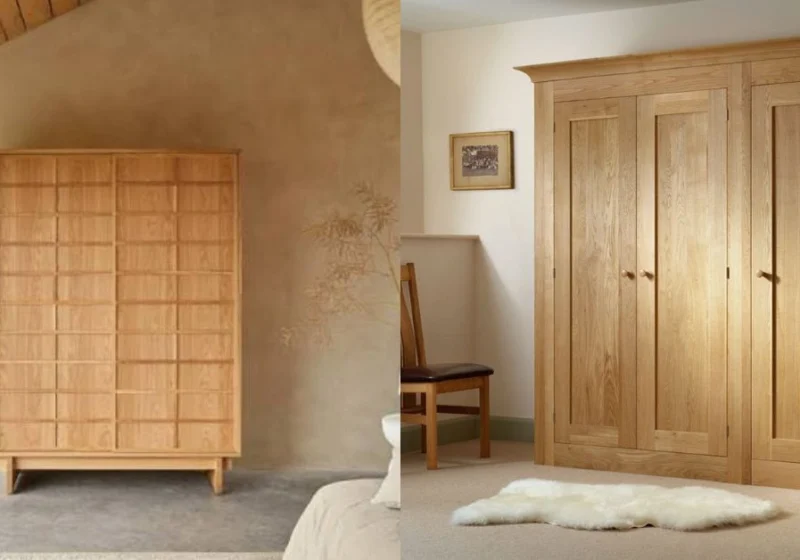
A bedroom nook can use the space beside a wardrobe or at the foot of a bed, provided drawers and doors still open fully. For a child’s room, keep the arrangement simple: a stable seat, reachable books and lighting that suits the child’s age. Avoid loose small accessories around toddlers. Oak and Nook’s children’s-bedroom furniture ideas can help with the surrounding layout.
Rented homes
Start with freestanding furniture, removable cushions and plug-in lighting if you want to avoid permanent changes. If you plan to fix shelves, alter the room or make another improvement, ask the landlord first and keep the agreement in writing. Shelter’s guidance on improvements to a rented home recommends getting the landlord’s written agreement before starting. Leaseholders should also read their lease: GOV.UK explains that lease conditions may require permission for alterations.
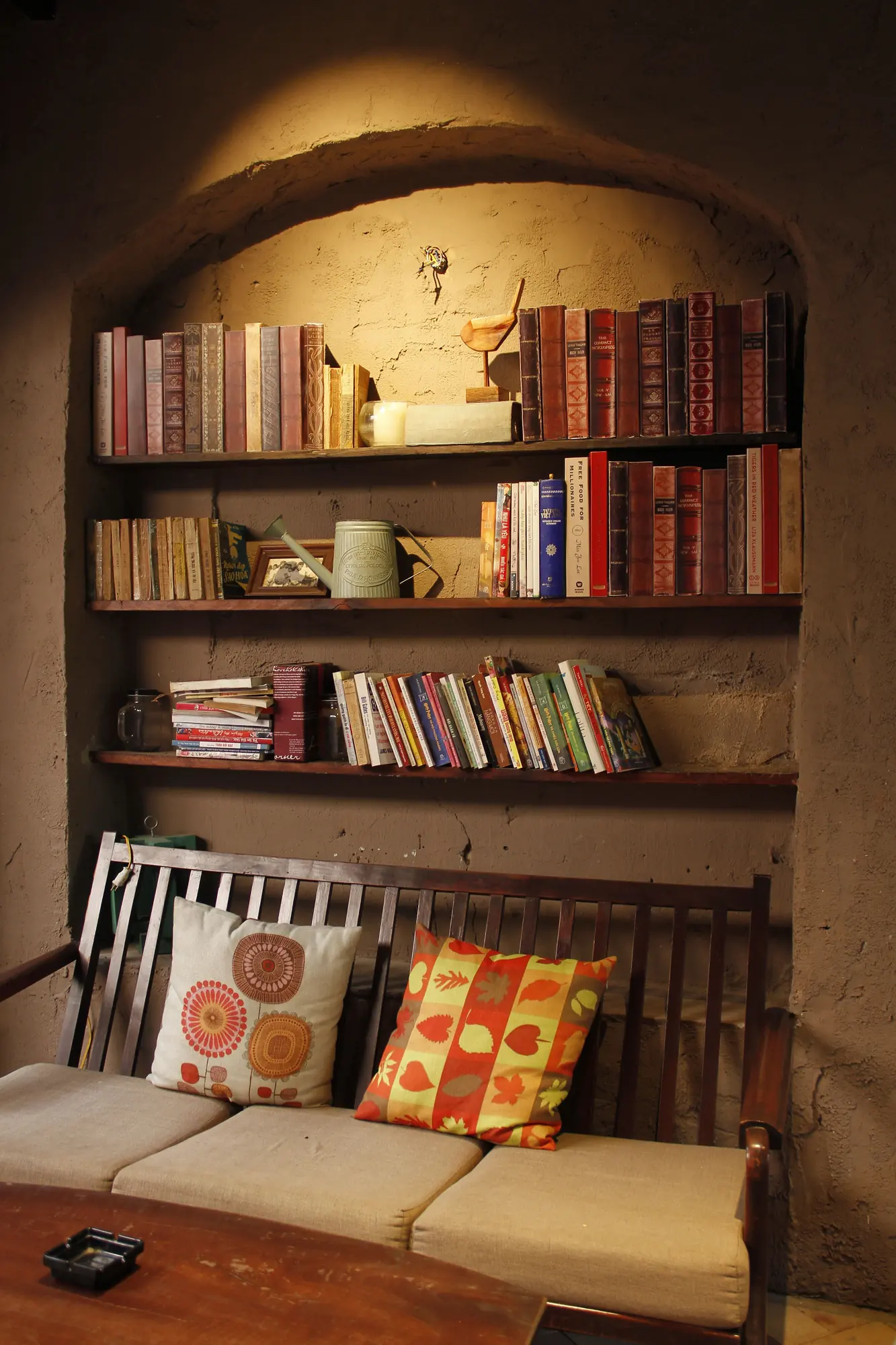
How much does a reading nook cost?
The cost can be close to zero if you already have a comfortable seat and lamp, or much higher if you add built-in joinery. The ranges below are broad DIY planning allowances, not live supplier quotes. They exclude major repairs, specialist labour and electrical work; check current prices before buying.
| Approach | Broad allowance | Assumes |
|---|---|---|
| Refresh an existing corner | £0–£100 | You already have a seat and add only a cushion, throw, lamp or small storage item. |
| Create a simple freestanding nook | About £120–£500 | You need some combination of a chair, lamp, soft furnishings and compact book storage. |
| DIY alcove bench or shelving | About £300–£1,200 or more | Materials and finish vary; the range does not include professional joinery or electrical changes. |
These figures are a starting point for deciding what kind of project you mean, not a promise that a particular layout will fit the allowance. Reusing a chair or choosing second-hand pieces can reduce the spend. A made-to-measure seat, new storage or paid installation can move it up quickly.
How could a 1.2 m by 1.5 m alcove work?
An alcove measuring 1.2 m wide by 1.5 m deep can hold a compact chair angled towards the room, a slim lamp and a short book ledge while leaving a clear entrance. Treat these measurements as an example, not a building specification.
- Measure the usable space. Record the width at the floor and seat height, note skirting and window or door clearances, and check where sockets, radiators and any visible services sit.
- Mark the footprint. Use masking tape or paper on the floor to test a chair, bench or stool. Walk past it and open nearby doors before settling on the position.
- Plan the light. Try the seat at different times of day. Add a plug-in lamp where a socket is available, keeping its cable away from the main route.
- Keep storage modest. A small ledge for current books is often enough. If you add wall shelves, choose fixings for the wall type and follow the shelf maker’s instructions; do not assume plasterboard, masonry and timber take the same fixing.
With an existing chair and a lamp, the refresh could fall near the lower planning band above. A new bench and storage build will cost more, and a fitted seat may require a joiner. Get a separate quote for made-to-measure work rather than treating the DIY allowance as a price guarantee.
What safety checks matter for a reading nook or shelf insert?
Keep the project to furniture and decoration unless you have the right professional help. Before drilling, check for hidden services and choose fixings suited to the wall; for fixed mains lights or new sockets, check local building rules and use a competent electrician. Keep sharp tools, hot glue and small batteries away from children.
Before drilling or cutting into a wall, the UK Health and Safety Executive advises looking on both sides, checking installation plans and using a suitable cable detector if you are competent to do so; stop and consult a competent person if unsure. See HSE guidance on work near electricity. Also check for water pipes and other services, and do not cut into or alter a load-bearing wall for a decorative nook.
In England, GOV.UK’s Approved Document P is the statutory guidance for electrical safety in dwellings and explains when work needs notification. The Welsh Government publishes its own building-regulations guidance for domestic electrical work. Requirements can differ by nation and by the work involved, so ask local building control or a competent registered electrician before adding a new circuit, socket or fixed lighting. Plug-in or battery lighting avoids adding fixed wiring to a simple decorative project.
For any wall-mounted book storage, use the correct fixings for the wall and follow the shelf manufacturer’s instructions. Books can be heavy, so do not rely on adhesive pads or a fixing chosen for a different wall type. A freestanding bookcase is a useful alternative where drilling is not appropriate.
If a child swallows or may have swallowed a button battery, Alder Hey Children’s NHS Foundation Trust advises getting them to A&E as soon as possible; button batteries can cause serious internal injury. Keep spare cells locked away and choose lighting with a securely closed battery compartment. For rentals, obtain written permission before fixed improvements; for leasehold homes, check the lease terms before making alterations.
What common mistakes should you avoid?
The most common design mistake is treating a nook as a styling exercise before checking how it will be used. A blocked door, hard-to-reach shelf or ill-fitting insert will frustrate you. Start with measurements, access and the activity, then use this checklist before buying or drilling.
- Measure seat width, shelf depth and the route through the room before buying.
- Test the actual reading position after dark, not only in daylight.
- Keep essentials within reach and move spare books elsewhere if the corner feels crowded.
- Check for hidden services and choose compatible fixings before drilling.
- Choose one clear focal point before adding tiny details to a first shelf insert.
- Store knives, hot glue and button batteries securely, especially in family homes.
Frequently asked questions
How much does book nook pay?
This guide covers the home and craft meanings of “book nook”, which do not involve pay. If you are asking about pay at an employer, app or service with a similar name, check that organisation’s current job listing or terms. If you meant cost, see the budget ranges above.
Is book nook free?
The idea itself is free. A reading corner may cost nothing if you reuse a chair and lamp, and a shelf insert can be made from materials already at home. New furniture, craft supplies, lighting or a kit will add cost.
How much does a book nook cost?
A reading corner can be a low-cost refresh or a larger fitted project. A handmade shelf insert may use basic supplies, while kits vary by size and detail. Use the broad GBP ranges in this article as a starting allowance and check current prices.
Do you have to pay for books on Nook?
If you mean a decorative shelf-insert book nook, it is a display scene and does not require buying books for it. If you mean a digital book reader or its shop, that is separate from this décor topic; check the relevant seller’s current terms.
What does “book nook” mean?
It can mean a cosy reading corner in a home or a miniature diorama designed to sit between books. The surrounding context usually makes the meaning clear: a chair and lamp point to the reading space, while a tiny scene points to the shelf insert.
What is the difference between a reading nook and a shelf-insert book nook?
A reading nook is a place for a person to sit and read. A shelf-insert book nook is a small decorative object displayed among books. They share the “nook” name but need different space, materials and planning, so decide whether you want a seat or a miniature display.
Where is the best place for a reading nook?
Choose an underused spot that has comfortable access and enough room for a seat. An alcove or bay window is common, but a bedroom corner, landing or under-stairs space can work if it does not obstruct doors or circulation. Check light and access at different times of day.
How big should a reading nook be?
There is no single required size. Start with the seat you want, allow room to get in and out, then add only the storage that fits. Measure the available width, depth and nearby clearances before buying furniture or ordering a cushion.
Are shelf-insert book nook kits suitable for beginners?
Some kits are designed for beginners, but difficulty depends on the number of parts, assembly method and small details. Read the kit’s skill guidance and check whether tools, glue, lighting and any required specialist tools are included before choosing one.
How do you keep a shelf-insert book nook clean?
Dust it gently with a soft brush or cloth and keep it away from damp, direct heat and frequent knocks. A glass-fronted cabinet or suitable cover can reduce dust, but check that the display still has enough space and ventilation for its materials and lights.