The main types of blinds for UK homes are roller, Roman, Venetian, vertical, pleated or honeycomb, wooden and specialist Perfect Fit styles. The best choice depends on the window, light direction, moisture, privacy and how often you will operate it, not just on whether the room is modern or traditional.
Types of blinds: choose by the job the blind must do
Start with the nuisance you want to solve. A bedroom may need blackout and a narrow light gap; a kitchen needs wipe-clean fabric and clearance from steam; a south-facing lounge may need glare and heat control. Write down privacy at daytime and night-time separately: a light-filtering blind can look opaque from inside while silhouettes remain visible after dark.
For a broad comparison, the John Lewis blind buying guide is useful because it compares common styles and their operating behaviour. Samples matter: fabric colour and openness can look completely different against your own glass and wall paint.
Types of blinds explained
Roller blinds
A roller is one sheet of fabric that winds around a tube. It is compact, easy to clean and available as blackout, dim-out, sunscreen, waterproof and day-and-night fabric. It suits most rooms, but the roller tube and side gaps can let light in. A cassette or side channel reduces the gap where the window and reveal permit it.
Roman blinds
Roman blinds fold into soft horizontal pleats, bringing more fabric and pattern to a room than a roller. They are a strong choice for a lounge, dining room or bedroom where the blind is part of the decoration. Allow for the stacked fabric at the top, the projection of the folds and the cleaning limitations of delicate cloth.
Venetian and wooden blinds
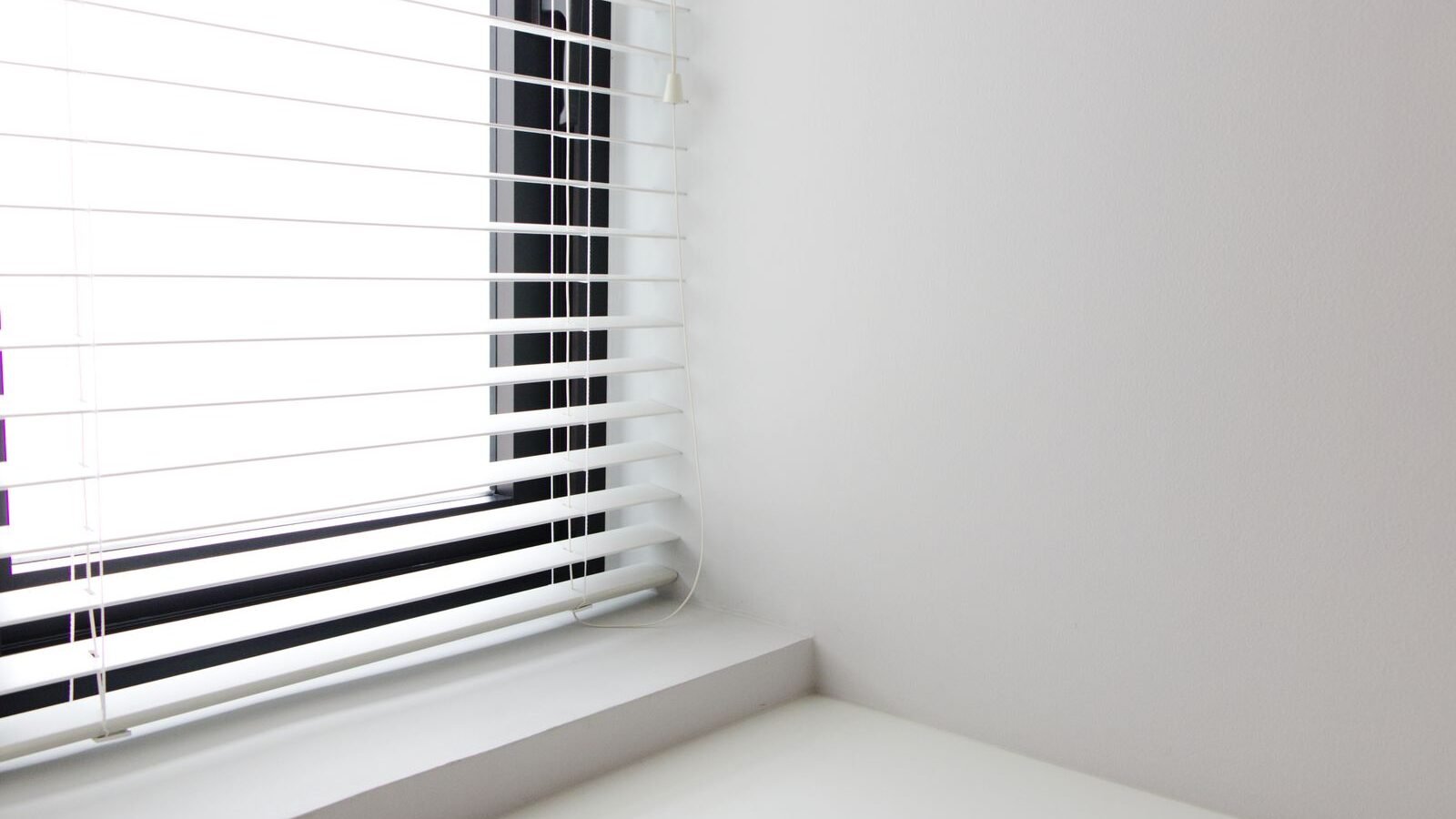
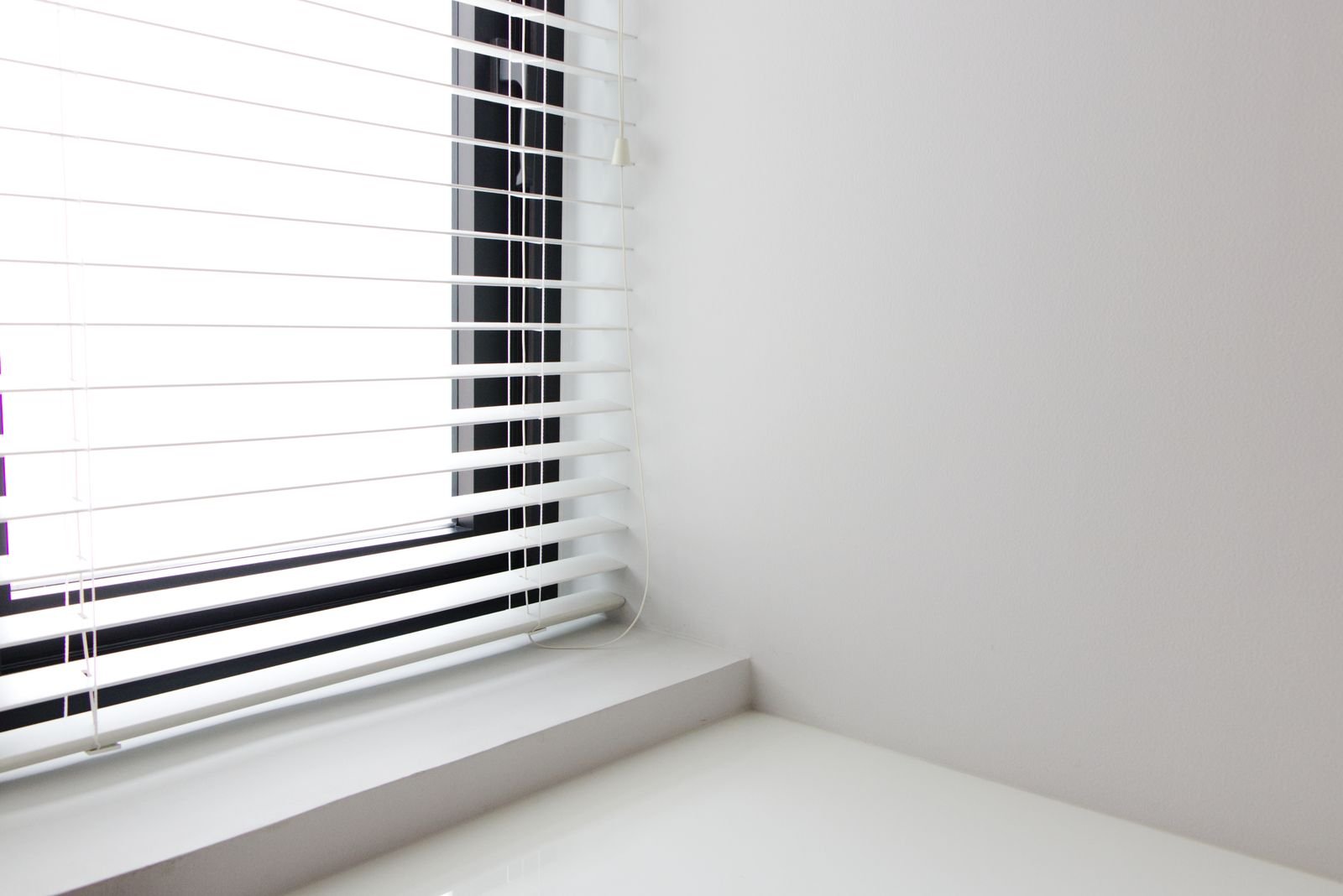
Venetians use horizontal slats that tilt for privacy and light direction. Aluminium slats are light, wipeable and good in kitchens; real wood adds warmth but needs care with humidity. Faux wood can give a similar look with better moisture tolerance, though it is heavier and may need stronger brackets. The slat width changes the visual scale and the amount of cleaning.
Vertical blinds
Vertical blinds draw sideways and are useful across wide windows, patio doors and awkward openings. They can rotate slats to manage glare and are often replaceable one vane at a time. They need a clear stack position and can look busy if the track is too short for the opening. Consider how the door handle and curtains will share the wall.
Pleated and honeycomb blinds
Pleated blinds fold into a compact concertina and can suit unusual shapes, roof windows and bottom-up privacy. Honeycomb or cellular fabrics trap air in pockets, improving the blind’s insulating performance compared with a single thin layer. They cost more than basic rollers, so prioritise them where heat, glare or a difficult window genuinely justifies it.
Perfect Fit and specialist options
Perfect Fit systems clip into a window bead and move with the opening, making them useful for tilt-and-turn windows and doors. Shutters are a fixed, substantial option rather than a conventional blind and can give excellent control in a bay window. Day-and-night or zebra blinds alternate sheer and opaque bands, while outdoor screens address solar gain before heat reaches the glass.

Match the blind to the room
- Bedroom: blackout roller, lined Roman, honeycomb or layered blind; check the side gaps and early-morning light.
- Living room: Roman, roller, wooden Venetian or layered blind chosen around glare, views and upholstery.
- Kitchen: wipe-clean roller, aluminium Venetian or moisture-suitable faux wood away from hob heat.
- Bathroom: moisture-resistant roller or faux wood with ventilation; avoid fabric that stays damp.
- Patio doors: vertical, panel, roller or pleated systems with a clear operating route.
Our guides to modern window coverings and bedroom window treatments can help when style and performance need to meet.
Measure and check safety
Decide inside or outside recess before measuring. For a recess fit, record width in three places and use the smallest; for an exact blind, follow the supplier’s deduction rules rather than subtracting a standard amount yourself. Check handles, vents, tiles, skirting and the window’s opening action. Made-to-measure is particularly valuable on bay windows and multiple windows that need to align.
Choose a cordless or secured-chain design where children may be present. The British Blind and Shutter Association child-safety guidance explains why chains and cords need careful installation and tensioning. Never leave a looped cord hanging beside a cot or bed.
Frequently Asked Questions
What is the most popular type of blind?
Roller blinds are widely chosen because they are compact, versatile and available in many fabrics. They are not automatically best; moisture, blackout and window shape may point to another style.
Which blinds are best for a bathroom?
Use a moisture-resistant roller, aluminium Venetian or suitable faux-wood blind with ventilation. Keep fabric away from persistent steam unless its care instructions permit it.
Are Roman blinds good for bedrooms?
They can be, especially when lined or made in blackout fabric. Check the side gaps, the stacked height and the fabric’s cleaning instructions before ordering.
Are blinds safer than curtains for children?
Safety depends on the operating system and installation, not simply whether the covering is a blind or curtain. Use cordless designs or secure cords and chains exactly as instructed.
Final Thoughts
The right type of blind is the one that solves the room’s real problem while fitting the window’s movement and proportions. Shortlist by light, privacy and moisture first, then refine the decision with samples, accurate measurements and a safe operating system.