The best window shades for bay window areas are made to measure, with one covering specified for each pane or section rather than one oversized blind across the whole projection. Roller, Roman, Venetian, pleated shades and shutters can all work; the bay’s angles, handles, recess depth and desired privacy decide which is practical.
Window shades for bay window: identify the bay first
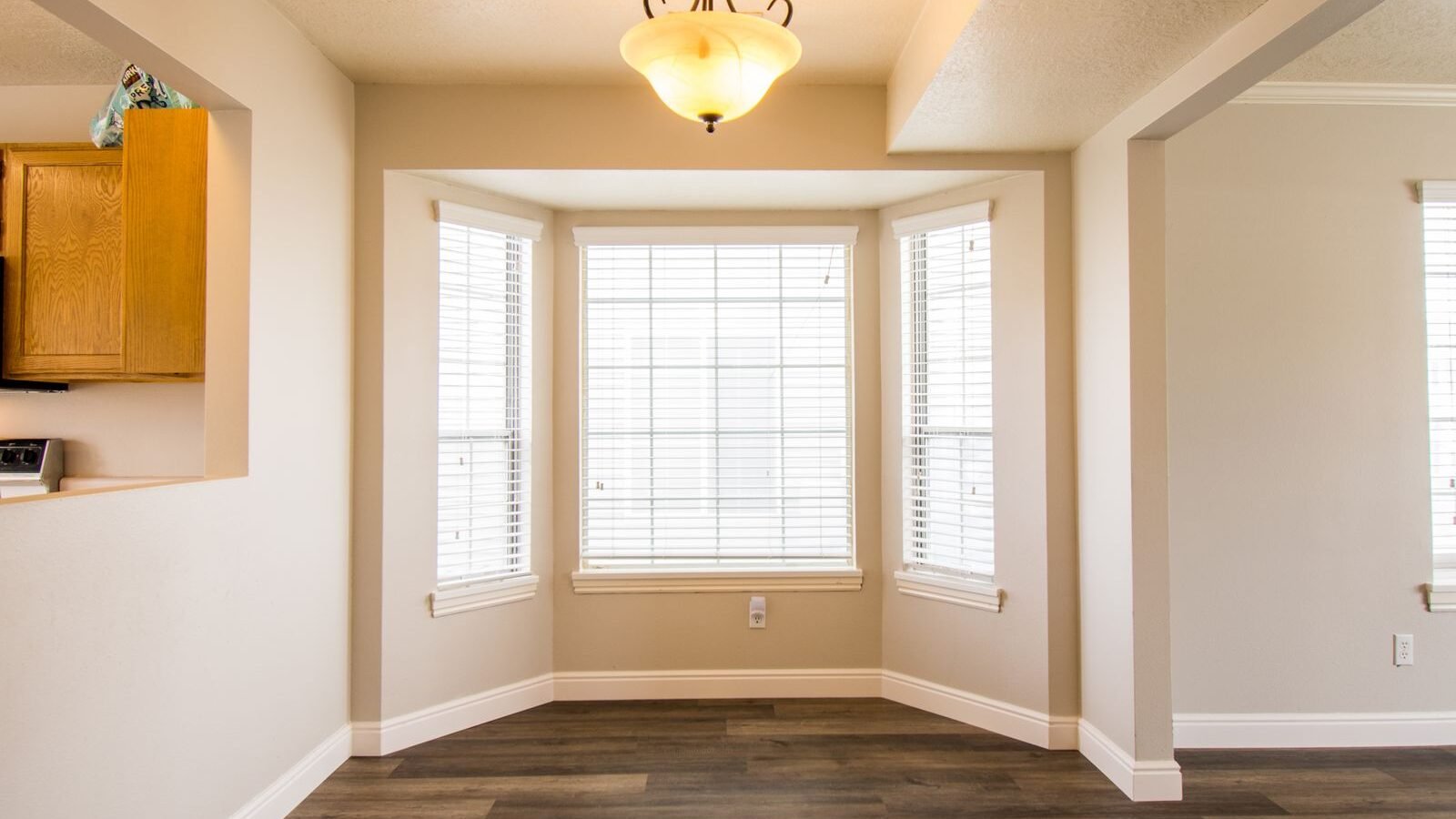
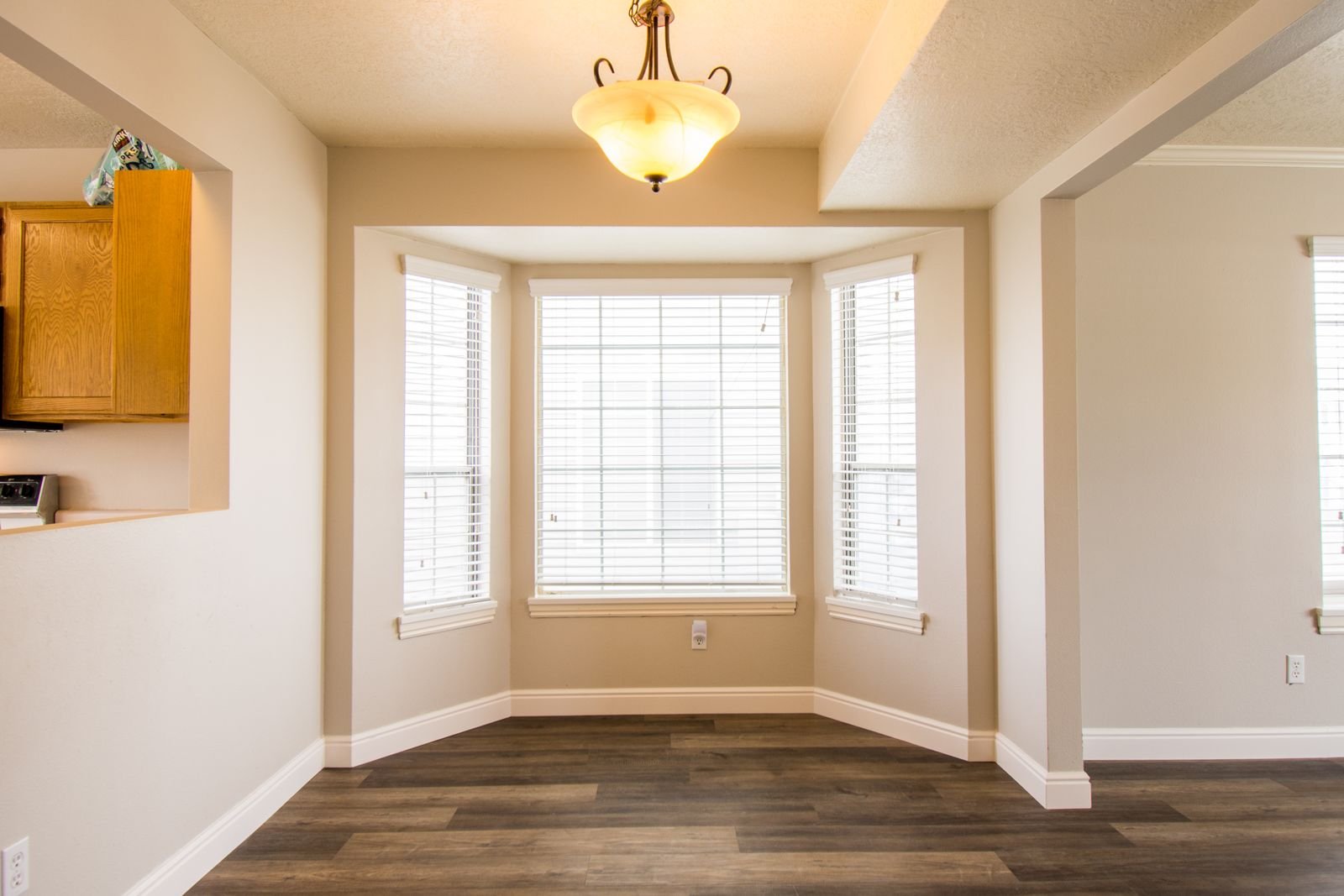
A square or box bay has sections meeting close to 90 degrees; a splayed bay has angled sides, and a bow window follows a curve through several narrower panes. Photograph the bay from inside, note where the sections meet and measure the projection from the main wall. The shape affects bracket clearance and whether adjacent shades can operate without colliding.
Look at handles, mullions, vents, radiators and the furniture below. A shade that fits the glass may still hit a handle or prevent the window opening. Made-to-measure suppliers such as Hillarys’ bay-window guidance emphasise the value of checking each section rather than guessing from the overall width.
Best shade styles for bay windows
Roller shades
Individual rollers keep each section visually simple and stack neatly at the top. Blackout fabric suits a bedroom; sunscreen or light-filtering fabric controls glare while keeping a daytime view. Check the roll direction, cassette depth and side gaps at the angled corners. Rollers are often the most straightforward choice for a modern box bay.
Roman and pleated shades
Romans add softness and pattern to a lounge or dining room, but the stacked fabric needs headroom and the folds project into the bay. Pleated or honeycomb shades are slimmer and can suit angled or shaped panes, especially where insulation and compact movement matter. Use a separate shade per section so the fabric does not bunch into the corner.
Venetians and shutters
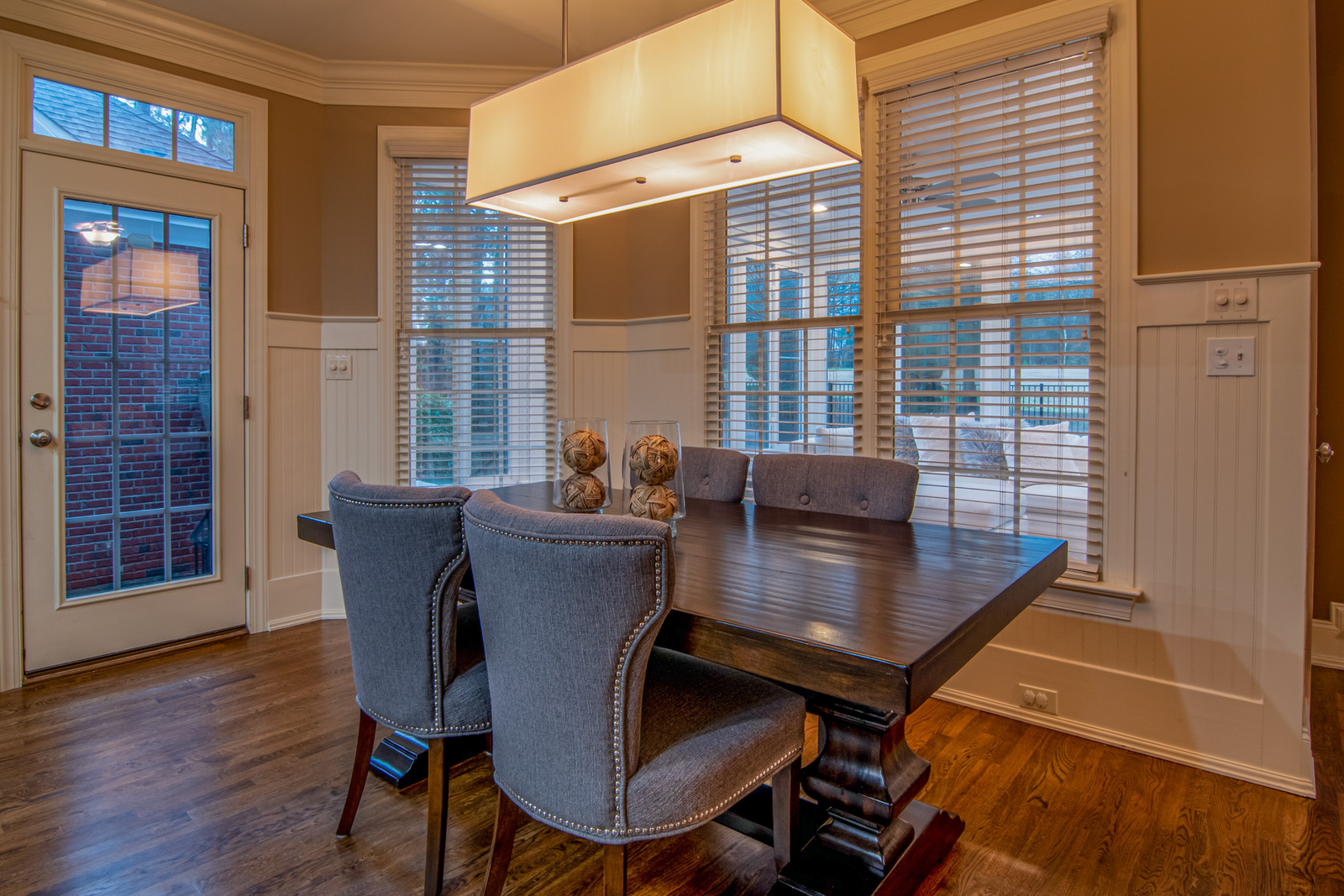
Wooden or faux-wood Venetians give precise slat control and can repeat the lines of a period bay. Shutters follow the architecture panel by panel and offer strong privacy, ventilation and light control, but they cost more and reduce some visible glass. For unusual bow shapes, ask the maker for a survey rather than assuming a standard shutter panel will follow the curve.
Balance light, privacy and warmth
Bay windows can be bright, exposed and thermally uncomfortable because they have more glass than a flat wall. Sheer or solar-control fabrics preserve daylight and reduce glare; blackout or lined fabrics are better where sleep matters. Layering a blind with curtains adds evening privacy and a warmer visual frame without requiring the shade to do every job. Our guide to modern window coverings is useful when the bay needs to coordinate with the rest of the room.
Window coverings can reduce draughts and the sensation of a cold glass surface, but do not promise a specific energy saving without the product’s tested performance. The Energy Saving Trust’s home energy advice puts window coverings in the context of the wider building fabric rather than treating a blind as a replacement for sound windows and seals.
Measure and order without gaps
- Measure each pane or recess width at the top, middle and bottom.
- Measure height at the left, centre and right, and record the smallest where the supplier asks for recess dimensions.
- Record every meeting angle, sill depth, handle projection and opening direction.
- Decide inside or outside recess for each section; do not mix methods without checking the corner overlap.
- Order samples and confirm whether the supplier deducts for an inside-recess fit.
For a non-standard bay, send photos and a sketch to the manufacturer. A specialist such as English Blinds’ bay-window range shows why box bays, angled bays and bow windows are treated as different configurations. If the room has several windows, keep the fabric, headrail and bottom line consistent even when the measurements differ.
Common fitting mistakes
- Buying one wide off-the-shelf blind and expecting it to bridge the angles.
- Measuring the wall-to-wall width but not the individual glass or recesses.
- Ignoring the blind stack, radiator heat or a window handle.
- Choosing blackout fabric but leaving large corner gaps.
- Mounting cords or chains where they create a child-safety hazard.
Cost and planning
Budget ranges are wide: simple made-to-measure rollers may start around £50 to £150 per section, while Romans, premium pleated systems and shutters can run into several hundred pounds per section. The bay shape, fabric, survey, fitting and number of panes matter more than a generic “per window” price. Order samples first and ask whether measuring and installation are included.
Frequently Asked Questions
What is the best shade for a bay window?
Made-to-measure individual rollers are a practical starting point, while Romans, pleated shades, Venetians and shutters suit different styles and performance needs. The bay shape decides the hardware.
Can you fit one blind across a bay window?
Sometimes, but one wide blind can bridge angles badly, collide with corners and leave poor light control. Separate shades for each section are usually more reliable.
How do I measure a bay window for blinds?
Measure every section’s width and height in several places, plus angles, recess depth, handles and opening direction. Follow the supplier’s inside-recess deduction instructions.
Are shutters good for bay windows?
Yes. Made-to-measure shutters can follow box, angled and some curved bays, giving strong privacy and light control. They cost more and need careful panel planning.
Final Thoughts
Choose window shades for bay window layouts one section at a time. Identify the shape, measure the hardware space, decide what light and privacy must do, and use samples or a survey before committing to a costly made-to-measure order.