Quick answer
Dark oak furniture is usually oak with a deep stain, oil, lacquer or smoked finish, not a separate species of timber. Buy it by checking the underlying construction and finish, then style it with enough light, contrast and empty space to let the grain read.
Dark oak furniture brings weight and warmth to a room, but the phrase covers a wide range of products. A solid oak sideboard with a hand-rubbed oil finish behaves differently from an oak-veneered cabinet with a dark lacquer, even if both look similar online. The right choice depends on how the piece will be used, how much light the room gets and whether you want the finish to be repairable.
Dark timber is easiest to live with when it is treated as an anchor. One substantial piece can give a pale room depth; several dark cabinets packed into a small, north-facing room can make the same space feel busy. Start with the light and layout, then choose the furniture.
What “dark oak” means in practice
Oak naturally ranges from pale honey to deeper brown, but most very dark furniture has been changed by finishing. A stain adds colour, oil enriches the grain, lacquer seals the surface and smoked oak changes the tone through a treatment process. Some products use a dark oak veneer over engineered board, and others imitate oak with a printed surface.
| Question | Why it matters |
|---|---|
| What is the core? | Solid timber, veneer and printed board have different repair limits and movement patterns. |
| How is the colour made? | A stain may be refreshed or blended; a factory lacquer can be harder to match after damage. |
| Where is the grain visible? | Real veneer or solid oak should carry a believable grain across edges and doors, not just the front. |
| What happens at the back? | A well-made cabinet still needs a stable back and sound fixings, even when the back is not visible. |
For broader checks on oak construction, the oak furniture buying guide is a useful companion. If sustainable timber is part of your brief, the FSC UK explains what certification is intended to verify, but still inspect the furniture as a whole.
Use light and colour to balance a dark finish
Before choosing a wall colour, look at the room in the morning and after sunset. Dark oak can sit comfortably against warm white, putty, soft stone, muted green and blue-grey, while a very cold white can make the timber look more orange. The best pairing is often a quiet wall with one textural element rather than a second strong colour.
- In a dim room, keep the ceiling and larger upper walls light.
- Use lamps at different heights so the cabinet is not a single black shape at night.
- Choose rugs and curtains with enough tonal contrast to separate the furniture from the floor.
- Repeat brass, bronze, black or aged nickel hardware only where it supports the room.
Do not match every timber exactly. A light oak floor, dark oak sideboard and painted joinery can look more considered than several almost-identical brown finishes.
Where dark oak furniture works best
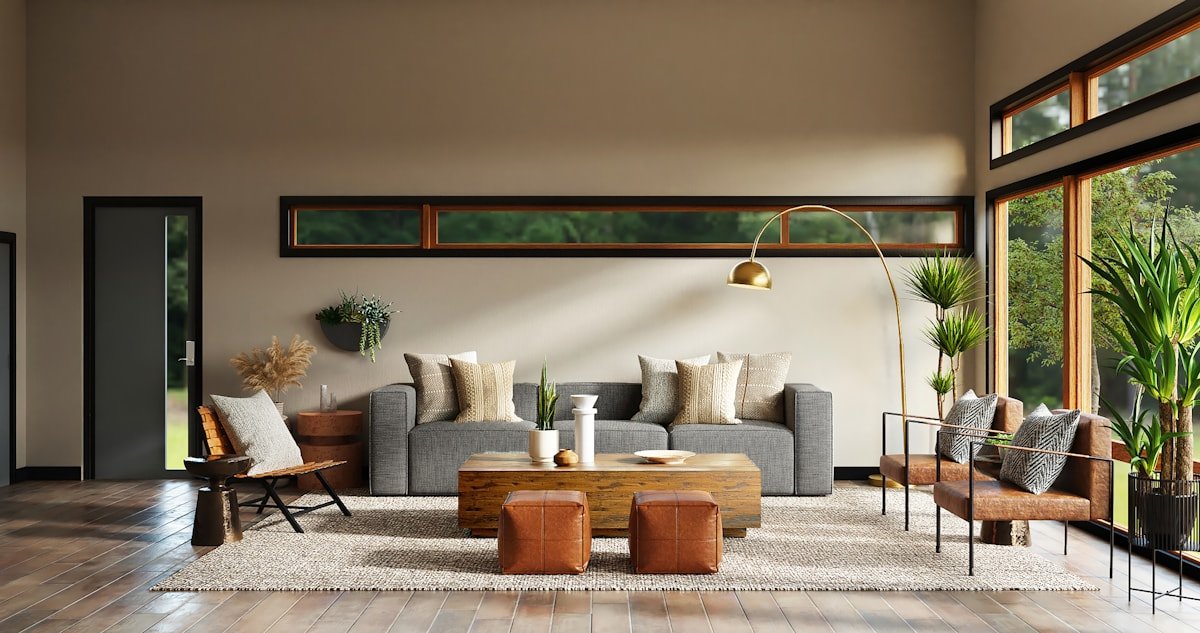
In a living room, a dark oak media unit or sideboard gives a long wall structure without needing a gallery of small pieces. Keep its width related to the sofa and television rather than buying the biggest cabinet that fits. Leave a little breathing room at each end and make sure doors and drawers can open without meeting the coffee table.
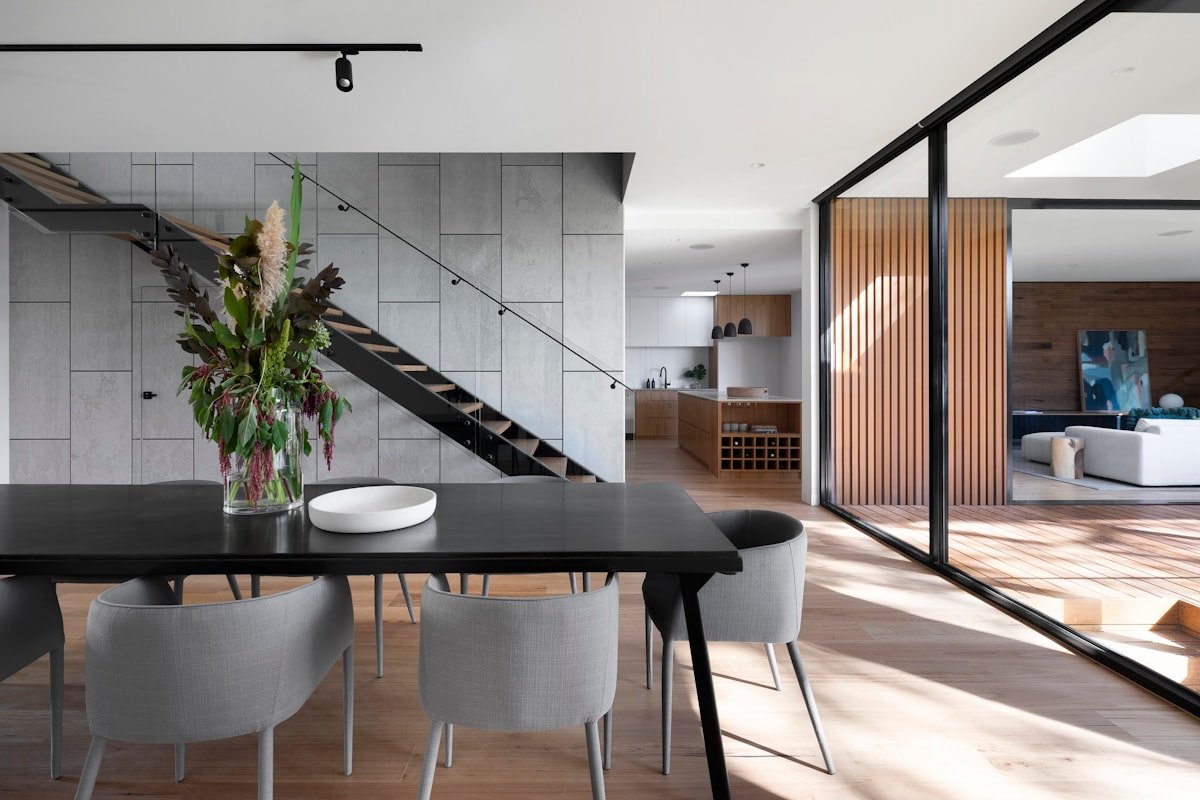
In a dining room, a dark oak table can define the eating area, but chairs do not have to be dark oak as well. Upholstered seats, painted chairs or woven textures soften the mass. In a bedroom, one dark chest or bed frame can ground pale linen and light walls; a matching suite in every corner is more likely to feel heavy.
Solid oak, veneer and reclaimed pieces
Solid oak is appealing for its heft and repair potential, but wide solid panels can move with humidity. Veneer is not a shortcut when it is well made: it can keep broad doors more stable and use timber efficiently. Check the edge treatment, core, back, drawer boxes and hinges rather than treating “solid” as the only quality test.
Reclaimed oak brings character, but expect filled knots, old fixing marks and variation in tone. Ask how it has been dried, whether the finish is sealed and how the piece should be cleaned. Character is useful only when the construction is stable enough for everyday use.
Care for the colour without flattening the grain
Dust with a soft cloth and wipe spills promptly. A barely damp cloth is usually enough for routine marks; follow the maker’s instructions for oiled surfaces because some finishes need occasional maintenance oil and others do not. Keep hot dishes, wet plant pots and leaking vases off the top, even if the finish looks sealed.
If a dark oak piece becomes dull or scratched, do not reach for a darker stain first. Test any product on an unseen area, establish whether the surface is oiled, waxed or lacquered, and use the cautious repair sequence in this oak furniture restoration guide.
A dark oak furniture checklist
- View a sample in the actual room’s daylight and evening lighting.
- Ask what is solid oak, what is veneer and what is engineered board.
- Inspect edges, backs, drawer runners, hinges and the finish inside doors.
- Plan the negative space around the piece before measuring only the footprint.
- Choose a finish you can maintain, not just the darkest colour in the catalogue.
Dark oak furniture works when it gives the room a calm centre of gravity. Let the grain, proportions and light do the work, and the finish will feel timeless rather than themed.
Frequently Asked Questions
1. Is dark oak a different type of oak?
Usually, no. Dark oak furniture is commonly oak finished with a stain, oil, lacquer or smoked treatment that deepens the colour. Ask whether the dark tone runs through the timber or sits in a surface finish, especially if future repairs matter.
2. Does dark oak furniture make a room look smaller?
It can if the room is poorly lit or every surface is dark. Balance it with lighter walls, a little visual space around the piece, reflective or pale textiles and warm layered lighting rather than avoiding dark wood altogether.
3. Can dark oak furniture be mixed with light wood?
Yes, but repeat the contrast deliberately. Keep the main furniture in one dominant tone, then use one lighter timber or woven texture as a supporting accent instead of collecting several unrelated wood colours.
4. How do you clean dark oak furniture?
Dust with a soft cloth, wipe marks with a slightly damp cloth and dry the surface straight away. Avoid abrasive products, silicone-heavy sprays and leaving water around joints or on an unfinished top.
5. Is dark oak furniture still in style?
Yes. The finish is more enduring when the design is simple and the colour is used as an anchor rather than repeated on every wall and accessory. Good proportions matter more than following a particular trend.