

Quick answer
Choose an oak sideboard by what it must store, the wall it must fit and the clear space needed in front of it. A good cabinet combines stable construction, useful internal divisions and a finish that can cope with everyday opening, serving and cleaning.
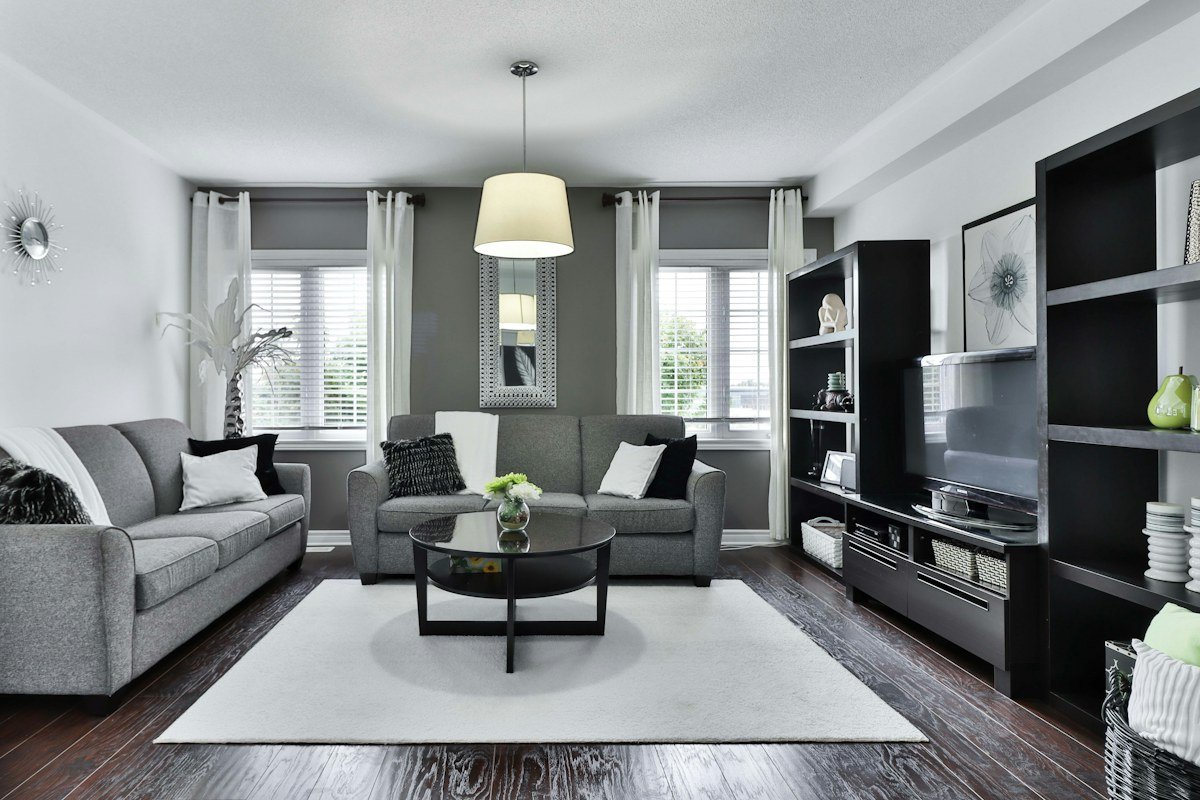
An oak sideboard can hide dining linen, board games, cables and paperwork while giving a room a warm visual anchor. Search phrases such as oak sideboard oak often lead to a choice between several similar-looking cabinets, so look beyond the grain. The inside, back and hardware tell you more about daily usefulness.
Start by listing what the cabinet will hold. Plates need wide shelves, bottles need height, toys need accessible doors and cables need a route that does not crush against the wall. Storage that solves a real problem is more valuable than a sideboard chosen only for its colour.
Measure the wall and the route around it
Measure the full wall width, skirting, sockets, radiator position and any projection from a chimney breast. Then measure the space in front of the cabinet with doors and drawers open. A deep sideboard can look modest in a product image but take over a circulation route once a drawer is extended.
- Check the delivery route, stair turns and doorway width.
- Allow for skirting boards and uneven floors.
- Leave room to stand in front of drawers without blocking the dining table.
- Measure the artwork, mirror or television that will sit above it.
For smaller rooms, the practical principles in the smart storage furniture guide help you compare cabinet depth with the space it returns to the room.
Plan the inside around the contents
Adjustable shelves are useful because storage needs change. Drawers suit cutlery, paperwork and small items that become untidy on a shelf. Cupboard doors hide larger pieces but need clear opening space. If you store a television box, record the internal dimensions rather than assuming a wide cabinet has a wide clear opening.
Look for a cable aperture if the sideboard will support a router, lamp or media equipment. Ventilated openings are preferable to drilling through a structural rail, and electronics should not be packed tightly against a closed back where heat can build up.
Solid oak, veneer and stable panels
| Construction | Useful quality | Questions to ask |
|---|---|---|
| Solid oak frame and panels | Substantial feel and repairable timber | How are wide panels allowed to move? |
| Solid oak frame with veneer panels | Stable broad surfaces with natural grain | What is beneath the veneer and how are edges finished? |
| Engineered cabinet with oak veneer | Consistent dimensions and lighter handling | Is the back fixed, are the joints sound and can parts be replaced? |
Open every door and drawer before deciding. Doors should sit evenly, runners should not scrape and the cabinet should not twist when a door is opened. A properly fixed back helps keep a tall sideboard square, while loose thin backing can make the whole piece feel unstable.
Choose finish and hardware for the room
Clear oil shows the grain and can be refreshed locally, while lacquer gives a more sealed and consistent surface. A dark stain changes the visual weight of the cabinet and can make later colour matching harder. Request a sample or view the piece in daylight before choosing a finish that covers a large wall.
Handles can make a cabinet feel traditional, modern or quietly neutral. Check that they are comfortable to use and fixed through a sound door face. Soft-close hinges are convenient, but adjustment and replacement availability matter more than the label.
Style the top without losing storage
Leave some clear top surface for serving or everyday objects. A large mirror, artwork or lamp can balance the low horizontal shape, while baskets and trays keep small items contained. Avoid placing damp plants, hot dishes or unprotected ceramics directly on the finish.
The home accessories guide can help you build a layered arrangement without covering every useful inch. Keep the sideboard easy to dust and ensure doors remain accessible.
If the timber’s origin matters, ask the supplier for clear sourcing information. FSC UK explains how certification and chain of custody are intended to work, while the sideboard’s joinery, finish and expected life still need to be assessed on their own merits.
Oak sideboard buying checklist
- Measure the wall, delivery route and open-door clearance.
- List the actual items that need to fit inside.
- Inspect the back, hinges, runners, handles and floor stability.
- Confirm solid, veneer or engineered construction in each main part.
- Choose a finish and top styling plan that can handle daily use.
A well-chosen oak sideboard should make the room feel calmer because it solves storage without dominating the wall. Let the grain support the design, but let dimensions and construction make the decision.
Leave a little breathing space around the cabinet so it can be cleaned and inspected. If a wall or floor is damp, solve that issue before bringing in valuable timber furniture; storage should improve the room, not hide a building problem.
Frequently Asked Questions
1. What should I look for in an oak sideboard?
Check the dimensions, storage layout, back panel, doors, drawers, hinges, runners and finish. The sideboard should fit the wall and leave room for doors to open, while the construction should support the items you intend to store.
2. Are oak sideboards made from solid oak?
Some use solid oak throughout, while others combine solid frames with oak veneer panels or an engineered core. Both can work well. Ask what each major part is made from and inspect the edges rather than relying on the product name.
3. How high should an oak sideboard be?
Many sideboards sit around console or cabinet height, but the right height depends on storage, wall art and the room’s furniture. Measure nearby seating, sockets and the sightline to a television or artwork before deciding.
4. Can an oak sideboard go against an external wall?
It can, provided the wall is dry and the furniture has sensible ventilation space. Do not push solid furniture tightly against a damp wall, and investigate condensation or staining before adding storage.
5. How do you care for an oak sideboard?
Dust with a soft cloth, wipe spills promptly and use only the cleaner or oil recommended for the finish. Keep hot, wet or abrasive objects off the top and adjust doors or runners before small problems become damage.