Table of Contents
- The 2026 direction: warmer, more personal homes
- Colour trends that can last beyond a season
- Materials and textures with staying power
- Modern heritage and period details
- Lighting as an architectural layer
- How to use trends in a small UK home
- Where to spend and where to save
- UK decorating costs in 2026
- UK home decor trend FAQs
- Final Thoughts
The 2026 direction: warmer, more personal homes
The strongest UK interior direction for 2026 is a move away from flat cool grey and clinical white towards rooms with warmth, texture and evidence of real life. That does not mean every room needs brown paint or a vintage cabinet. It means choosing pieces that age well, using more than one material, and allowing useful objects to remain visible.
Trends are helpful when they describe a mood; they become expensive when they dictate a shopping list. Treat the ideas below as a filter. If a colour, finish or shape works with your light, house age and existing furniture, use it. If it needs every other item in the room replacing, it is probably a short-lived look.
Colour trends that can last beyond a season
Warm neutrals
Cream, putty, mushroom, warm stone and soft taupe are replacing the blue-leaning greys that dominated many UK schemes. They work as a background because they sit comfortably with oak, brass, linen and black accents. Test paint in the actual room: a north-facing wall can make a neutral look cooler and darker than the sample card.
Earthy greens, clay and brown
Olive, sage, eucalyptus, terracotta and chocolate brown are being used as both accents and full-room colours. On a chimney breast or joinery, a deep green can give structure without the commitment of a whole dark room. Clay and tobacco tones suit warm timber and brass, but balance them with a pale ceiling or reflective surface if the room has little daylight.
Ink blue and muted red
Inky blue, burgundy and muted plum are useful for an armchair, internal door or small room. The trick is repetition: repeat the accent in one artwork, cushion or ceramic, then stop. A trend colour looks more considered when it is not competing with six other statement shades.
Materials and textures with staying power
Natural and tactile surfaces are increasingly popular because they look better as they wear. Linen, wool, timber, terracotta, stone, rattan, brushed metal and handmade ceramics each catch light differently. A room with three or four related textures generally feels richer than one filled with matching glossy surfaces.
| Material | Good use | 2026 planning range | Care reality |
|---|---|---|---|
| Linen or linen blend | Curtains, lampshades and relaxed upholstery | £40-180 per panel or cushion grouping | Crushes naturally and may need professional cleaning |
| Wool | Rugs, throws and textured upholstery | £150-600 for a living-room rug | Durable, but vacuum gently and treat spills quickly |
| Oak or walnut | Dining tables, shelving and joinery | £250-2,000 depending on scale | Oil or protect it; avoid standing water |
| Terracotta and stone | Vases, tiles, lamps and worktops | £15-80 for accessories; much more fitted | Porous finishes need sealing or careful cleaning |
Use imitation materials when their performance is useful, not when they are pretending to be something else. A durable laminate worktop is sensible; a low-quality wood-effect surface placed beside a real timber table may look less convincing than an honest plain finish.
Modern heritage and period details
UK homes are embracing their architecture again: panelled doors, picture rails, internal shutters, stained timber, checkerboard floors and traditional joinery details. In a Victorian terrace, a carefully proportioned dado or painted skirting can feel more timeless than a generic feature wall. In a new-build, one heritage detail can add character without turning the room into a museum.
Match the scale to the building. A chunky 1,200mm-high panelled wall can overwhelm a low ceiling, while narrow mouldings may disappear on a large wall. Repeat a profile or finish in more than one place, such as a timber shelf and a framed doorway, so the detail feels intentional.
Lighting as an architectural layer
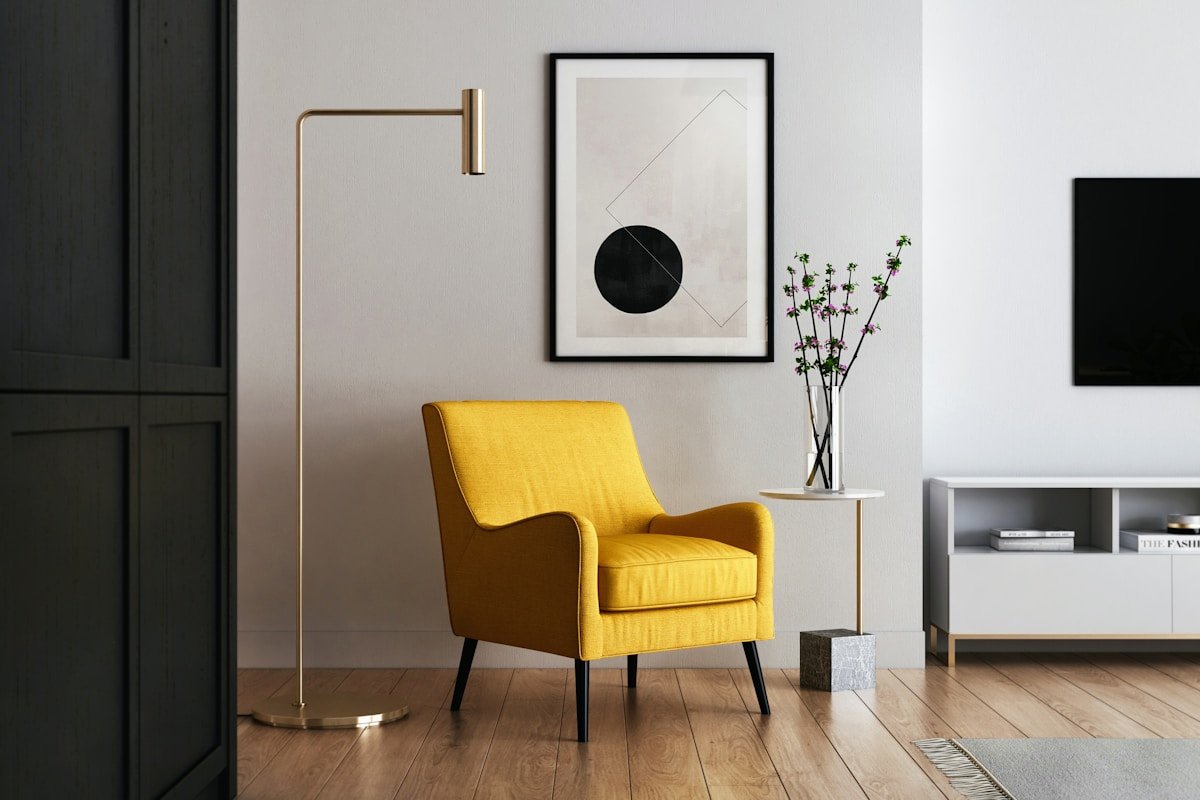
Statement lighting remains popular, but the lasting idea is layered control rather than a particular pendant. Use ambient light for the room, task light for reading or cooking, and accent light for artwork or joinery. Warm 2,700-3,000K LEDs suit living areas; task areas may benefit from 3,000-4,000K where colour accuracy matters.
Place sockets and switches before buying decorative lamps. A good floor lamp beside a chair can change the room more than an expensive ceiling fitting, and a dimmer lets one fixture serve both daytime and evening. Avoid a collection of visible trailing leads; plan cable routes, especially in open shelving and media furniture.
How to use trends in a small UK home
- Use a trend colour on a door, alcove or joinery rather than repainting every room.
- Choose one large natural texture – a rug, linen curtain or timber table – before adding accessories.
- Use mirrors to reflect a window or lamp, not to create a wall of visual noise.
- Keep walkways 60-90cm wide and measure furniture footprints, particularly in a flat.
- Use closed storage for visual calm and one open shelf for personality.
- Buy second-hand timber, lamps and ceramics where condition and safety can be checked.
A small room benefits from a limited palette more than a fashionable one. Choose a background, a timber or metal note, and one accent colour. Repeat them in different textures so the room feels connected without becoming matchy-matchy.
Where to spend and where to save
Spend on the pieces that are difficult to replace or use daily: a supportive sofa, a properly sized rug, good curtains, worktop, mattress and lighting. Save on seasonal cushions, paint samples, side tables, frames and decorative ceramics. A £30 lamp with a good shade and warm bulb can be more useful than a £300 sculptural fitting that produces glare.
Before buying a trend item, ask three questions: will it work with my current floor, will I still like it if the room is not photographed, and can it be repaired or resold? If the answer to all three is yes, it is more likely to be a lasting choice.
UK decorating costs in 2026
| Update | Typical 2026 range | Notes |
|---|---|---|
| One professionally painted room | £250-700 | Preparation, two coats and trim vary by condition |
| Living-room rug | £60-600 | Material, size and hand finishing drive the spread |
| Made-to-measure curtains | £350-1,200+ | Interlining, track and fabric can double the base price |
| Lighting refresh | £150-1,000 | Portable lamps are cheaper; rewiring costs more |
UK home decor trend FAQs
Are cool grey walls out of style in 2026?
They are less dominant, not forbidden. A cool grey can still work in a bright, north-facing or contemporary room; balance it with warm timber, cream textiles and 2,700K lighting rather than repainting solely because a trend report changed.
What is the safest 2026 colour to use in a whole room?
A warm off-white, stone, mushroom or muted sage is flexible with timber and changing light. Test it on two walls for several days because undertones matter more than the colour name.
How do I make a new-build feel less bland?
Layer curtains, rugs, timber or painted joinery, warm lighting and one piece of aged or handmade furniture. Add skirting or panelling only where the proportions suit the room; texture and lighting often give more value than a decorative wall.
Is quiet luxury still a home decor trend?
Its quieter ideas – natural materials, restraint and good proportions – are more durable than the label. Use them as a quality filter, not as a requirement to buy beige furniture or remove all personality.
How often should I redecorate to keep up with trends?
There is no need to redecorate annually. Keep the walls, flooring and main furniture stable and refresh lamps, textiles or artwork every few years when the room genuinely needs it.
What is the best way to add a bold colour without regretting it?
Use a sample first, then try the colour on a door, alcove, small room or movable piece. Repeat it once elsewhere and keep large fixed finishes neutral enough to support it.
Final Thoughts
The most convincing 2026 UK interiors are not trend showcases. They are warm, practical rooms with a few current signals sitting on timeless foundations. Choose materials that improve with use, let the house’s architecture guide the scale, and spend on comfort and light before adding another decorative object.