

Living Room Units: A Practical UK Guide to Storage, Media and Display Furniture
The right living room unit should make the room easier to use, not simply give you another surface to fill. It may need to hide games consoles, hold a television, display books, organise family clutter or make an awkward alcove useful. In a small flat, one well-planned piece can do several of those jobs without making the room feel crowded.
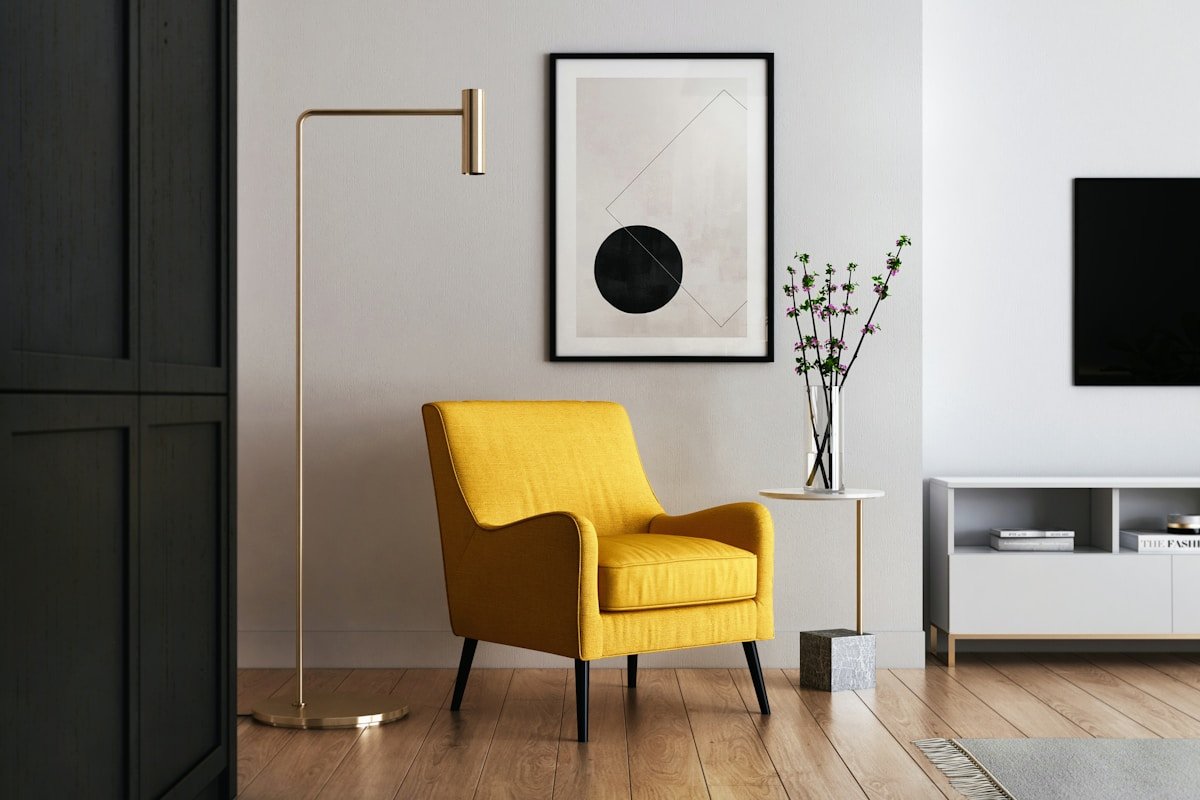
This UK-focused guide starts with the decision rather than a long list of styles. You will find the most useful measurements to take, a comparison of unit types, TV and cable checks, open-versus-closed storage advice, and realistic routes from adaptable flat-pack furniture to made-to-measure joinery. The measurements are planning rules of thumb, not building regulations: always check the manufacturer’s drawings and the requirements of your installer.
Contents
- Start with the job the unit must do
- Measure the room before choosing a style
- Which type of living room unit suits your room?
- Choose the layout by room scenario
- Plan TV, cables and ventilation together
- Open or closed storage?
- Materials, finishes and the details that affect longevity
- How to approach the budget without false precision
- A buying and installation checklist
- Common questions about living room units
- Final thoughts
Start with the job the unit must do
Before browsing furniture, write down what the unit needs to contain. “Living room storage” can mean very different things in a family room and a formal sitting room. Make a quick inventory under four headings:
- Daily-use equipment: television, soundbar, games console, router, speakers and remote controls.
- Things you want within reach: books, magazines, toys, blankets, records, chargers or a drinks tray.
- Things you want out of sight: paperwork, cables, board games, cleaning items and spare electronics.
- Things you want to display: ceramics, photographs, art books, plants or collected objects.
The balance determines the unit. A low media console is usually better than a tall bookcase if the television and equipment are the priority. A sideboard with cupboards may be more useful when the TV is wall-mounted. A full wall of shelving can be beautiful, but it only earns its footprint if you genuinely have enough books, objects or closed storage to justify it.
A useful test is to measure the volume of your current storage. Count the boxes, baskets and shelves you already use, then allow some spare capacity. Choosing a unit that is exactly full on moving day often means clutter returns within months.
Measure the room before choosing a style
Measure the wall, but do not stop at its width. Record:
- the clear wall width between corners, doors, windows and radiators;
- the ceiling height and the height of skirting boards, dado rails or picture rails;
- the position of sockets, aerial points, broadband equipment and floor-level outlets;
- the projection of skirting, pipes, window boards and radiator valves;
- the direction and sweep of doors, cupboard doors and windows; and
- the route from the entrance to the sofa, stairs and any patio or garden door.
Draw the room on graph paper or in a simple planning app. Mark the unit’s maximum width and depth, then mark the doors and drawers as open shapes rather than treating them as flat fronts. A unit that fits when shut can still block a walkway when a cupboard or drawer is in use.
For many living-room units, a depth of roughly 40–50cm is a useful starting range. It is enough for many sideboards and media cabinets, but it is not a universal rule: check the depth of the television stand, amplifier, record player or storage boxes you actually own. If a radiator sits behind the proposed unit, do not cover it without understanding the effect on heat circulation and the manufacturer’s or heating engineer’s advice.
A sideboard is often around 80–90cm high, which works well for serving, display and everyday storage. That figure is a guide rather than a target. Compare it with the height of nearby furniture, the bottom edge of a wall-mounted television and the sightlines from the sofa. A very tall sideboard beneath a low TV can look cramped; a very low unit may leave an uncomfortable band of empty wall.
Keep circulation generous. As a practical planning rule, aim for about 75–90cm of clear passage on routes that people use regularly, and more where a door, drawer or chair needs to open into the space. In a compact room you may have to accept less in a quiet corner, but do not reduce the main route simply to fit a wider cabinet.
Which type of living room unit suits your room?
Low media unit
Choose a low media unit when the television, soundbar and connected equipment are the main brief. Look for a top that is wider than the TV, adjustable shelves and rear cable access. Cupboards keep visual noise down; open bays make remotes and consoles easier to reach. Check the unit’s stated load capacity and whether wall fixing is included.
Sideboard or credenza
A sideboard is the most flexible option when the television is wall-mounted or sits elsewhere. Cupboards can store tableware, games and paperwork, while the top provides a surface for lamps, art or a small display. In a narrow room, compare the depth with the walkway rather than buying the longest model that fits the wall.
Bookcase or open shelving
Open shelving suits books, records and objects you are happy to see every day. It is also useful when you want a lighter-looking piece than a bank of cupboards. Vary shelf heights where possible, but do not use every opening: empty space is part of the design. Heavy books belong on strong, well-supported shelves, and a tall bookcase should be secured to the wall in line with the manufacturer’s instructions.
For help choosing and arranging real or decorative books, see Oak & Nook’s decorative books guide. Keep this article focused on the unit and its layout rather than repeating styling advice.
Modular shelving system
Modular systems are a good middle ground between a single ready-made cabinet and fitted furniture. You can combine open shelves, drawers and cupboards, and add sections if the room changes. Before committing, check that every module has the same depth, plinth and finish; small differences are obvious when units are placed side by side. Retailers such as IKEA UK’s storage-furniture hub show how modular ranges are categorised, but treat any live price, stock and delivery information as changeable.
Console, ladder or corner unit
A shallow console works behind a sofa or beneath wall art where full-depth storage would obstruct a route. A ladder-style or corner unit can use a difficult wall, but check its fixing points and stability.
Alcove, window and room-divider storage
Alcove cupboards and shelving can turn a dead corner into useful storage, particularly around a fireplace. Window-seat units can add both seating and concealed storage, but leave access to windows, vents and radiators. A freestanding bookcase used as a divider should be stable from both sides and should not narrow the only route through the room.
Choose the layout by room scenario
Small flat or narrow living room
Prioritise one continuous low unit or a slim wall-mounted combination rather than several unrelated pieces. Use a closed base for visual calm and one or two open niches for the items you use. Wall-mounted furniture can make the floor easier to clean, but the wall must be suitable for the load and the fixing system.
Period home with chimney breast or alcoves
Start with the architecture. A symmetrical pair of alcove cupboards may balance a fireplace, while shelves above can keep the chimney breast visually central. Measure each alcove separately: older walls are rarely perfectly square. Leave a serviceable route for cables and avoid drilling into uncertain masonry until the installer has checked it.
Painted joinery can make the furniture feel built in, but colour also changes how substantial it looks. For palette planning, link naturally to Oak & Nook’s living room colour ideas rather than forcing storage advice into a paint article.
Family living room
Give frequently used items the easiest access. Put toys and games in labelled, removable baskets or drawers at a child-friendly height, with fragile objects higher up and heavy items low. Rounded or softened edges can be preferable on a busy route. Secure tall furniture and do not rely on a child-resistant latch as a substitute for proper anchoring.
Media-focused room
Draw the equipment at full size on paper: television, soundbar, amplifier, consoles and any streaming boxes. Add the depth of plugs and cable bends, not just the equipment casing. A unit with a narrow opening may technically contain the console but leave no space for ventilation or for a hand to reach the connections.
If you prefer the TV on the wall, the unit underneath can be lower and more storage-led. Hide cables with a planned route, not a loose bundle behind the cabinet. Any new electrical work should be assessed and carried out by a suitably qualified professional.
Flexible entertaining space
A sideboard or console is usually more adaptable than a permanent wall of media furniture. Use cupboards for serving pieces and table linens, and reserve the top for lamps or a tray that can be moved when guests arrive. If the unit sits near a dining area, check that doors and drawers do not collide with dining chairs.
Plan TV, cables and ventilation together
The TV should not be an afterthought placed on top of a unit that was chosen for its finish. Check four things before ordering:
- Screen position: sit in the usual viewing seat and mark a comfortable centre line. Avoid placing the screen where daylight creates persistent glare.
- Top and load: confirm that the unit is rated for the television and stand. A wall-mounted TV still needs a stable, useful surface below it.
- Cable path: identify where power, aerial, broadband and HDMI leads will enter and exit. Cable holes should be large enough for connectors or positioned so cables can be threaded before the unit is fixed.
- Airflow: follow the equipment manufacturer’s ventilation clearances. Do not seal a console, amplifier or router into a tight cupboard simply to hide it; use ventilated doors or an open bay where required.
For planning inspiration, John Lewis’ living-room storage advice covers family zones and multifunctional furniture; always defer to your unit and electronics’ technical drawings.
Open or closed storage?
Neither is automatically better. Use this quick trade-off:
| Storage style | Best for | Main advantage | Watch for |
|---|---|---|---|
| Open shelves | Books, art and everyday objects | Easy access and a lighter appearance | Dust, visual clutter and uneven loading |
| Cupboards | Toys, paperwork and spare equipment | Hides clutter and protects contents | Door swing, handles and darker interiors |
| Drawers | Small items, remotes and games | Quick access without moving other objects | Drawer extension and load limits |
| Glazed doors | Collections and delicate display | Visibility with some protection | Reflections, fingerprints and door clearance |
| Mixed storage | Rooms with several jobs | Balances display and concealment | Inconsistent modules or too many finishes |
A useful rule is to put daily-use items between waist and eye level, heavier items low down and infrequently used items where access is still safe. If every shelf is open, the room may look busier than expected; if every section is closed, finding small items can become frustrating. A mixed layout often works hardest in a lived-in UK sitting room.
Materials, finishes and the details that affect longevity
Look past colour swatches. Ask how the carcass is constructed, whether shelves are adjustable, how the edges are finished and whether replacement doors or shelves can be ordered. Choose the material for the room’s sunlight, children, pets and maintenance demands.
Dark finishes can make a broad run feel heavier, while pale finishes show less contrast against a light wall. Gloss reflects light and fingerprints; ask about colour stability beside a sunny window.
How to approach the budget without false precision
Prices and stock change quickly, and the supplied audit did not verify current UK prices for this topic. Rather than invent a dated figure, compare the route and scope of each option:
- Ready-made or second-hand: fastest way to test a layout, but check dimensions, condition, stability and whether the finish can be repaired.
- Modular: offers more combinations and future changes; price the complete configuration, doors, shelves, plinth, handles, delivery and assembly rather than one module.
- Made-to-measure: useful for alcoves, chimney breasts and difficult walls; request a written specification covering carcass, doors, paint or veneer, cable access, fitting, electrical work and making-good.
For a fair comparison, ask every supplier for the same wall width, depth, storage mix and cable requirements, and treat delivery, assembly, fitting and making-good as separate line items. Check Argos’ living-room storage range only for current product information, not as a permanent price guide.
A buying and installation checklist
Before pressing “order” or accepting a quote, confirm:
- The maximum width, depth and height, including skirting and handles.
- The clear walkway with doors and drawers fully open.
- The weight and dimensions of the TV, equipment, books and stored items.
- Cable entry, power access, equipment ventilation and service access.
- Wall type, fixing method, anti-tip hardware and delivery route.
- The exact finish and what the quote includes: survey, fitting, electrical work and making good.
For a fitted solution, a survey is not a formality. Ask the designer to show the proposed elevations, internal storage, cable routes and service clearances before manufacture. For freestanding furniture, assemble it on a level surface, fix it as instructed and do not place a tall unit where it can be pulled into a main circulation route.
If you need more wall-led ideas around a TV or blank surface, Oak & Nook’s decoration ideas on the wall is a relevant next read. Use it to solve the wall above or beside the unit, not to replace the measurements in this guide.
Common questions about living room units
What is the most useful living room unit for a small room?
Usually, a low mixed-storage unit: closed cupboards for clutter, one or two open sections for everyday items, and enough cable access for the equipment you own. Measure the walkway first. A shallow sideboard can be more useful than a dedicated TV stand when the television is wall-mounted.
How deep should a living room unit be?
Use roughly 40–50cm as an initial planning range for many sideboards and media units, then check the actual equipment, plugs, cable bends and door or drawer clearance. Bookcases may be shallower; record storage, amplifiers and deep baskets may need more. The manufacturer’s external and internal dimensions matter more than a generic number.
Is open shelving or a cupboard better for a TV unit?
Open shelving makes consoles and routers easy to reach and can help with airflow, but it shows cables and dust. Cupboards look calmer and hide clutter, but need ventilation where equipment requires it. A mixed layout is often the most practical compromise.
Should a sideboard be the same width as the TV?
Not necessarily. A unit slightly wider than the screen can look balanced, but the correct width is determined by the wall, circulation and storage brief. Avoid making the unit so wide that it crowds a doorway or leaves drawers unusable.
Do living room units need to be fixed to the wall?
Tall or narrow furniture should be secured according to the manufacturer’s instructions, particularly in family homes. The fixing must suit the wall construction and the load. Ask an installer if you are unsure, and do not assume that a heavy unit is safe without an anti-tip connection.
Can fitted living room furniture cover a radiator or socket?
Do not cover either without a specific plan. Radiators need appropriate air circulation and sockets or isolation points may need to remain accessible. Build the design around services and ask a qualified installer or relevant professional to check changes before work begins.
Final thoughts
The best living room unit is the one that fits the way your household actually uses the room. Start with the objects, not the trend: decide what must be hidden, what deserves display and what needs a cable, a plug or ventilation. Then measure the wall, walkway, doors, skirting and equipment before comparing a low media unit, sideboard, shelving system or fitted solution. For a small flat, prioritise shallow depth and mixed storage; for a period home, design around alcoves and uneven walls; for a family room, make everyday access and secure fixing central.


1 thought on “Living Room Units: A Practical UK Guide to Storage, Media and Display Furniture”