
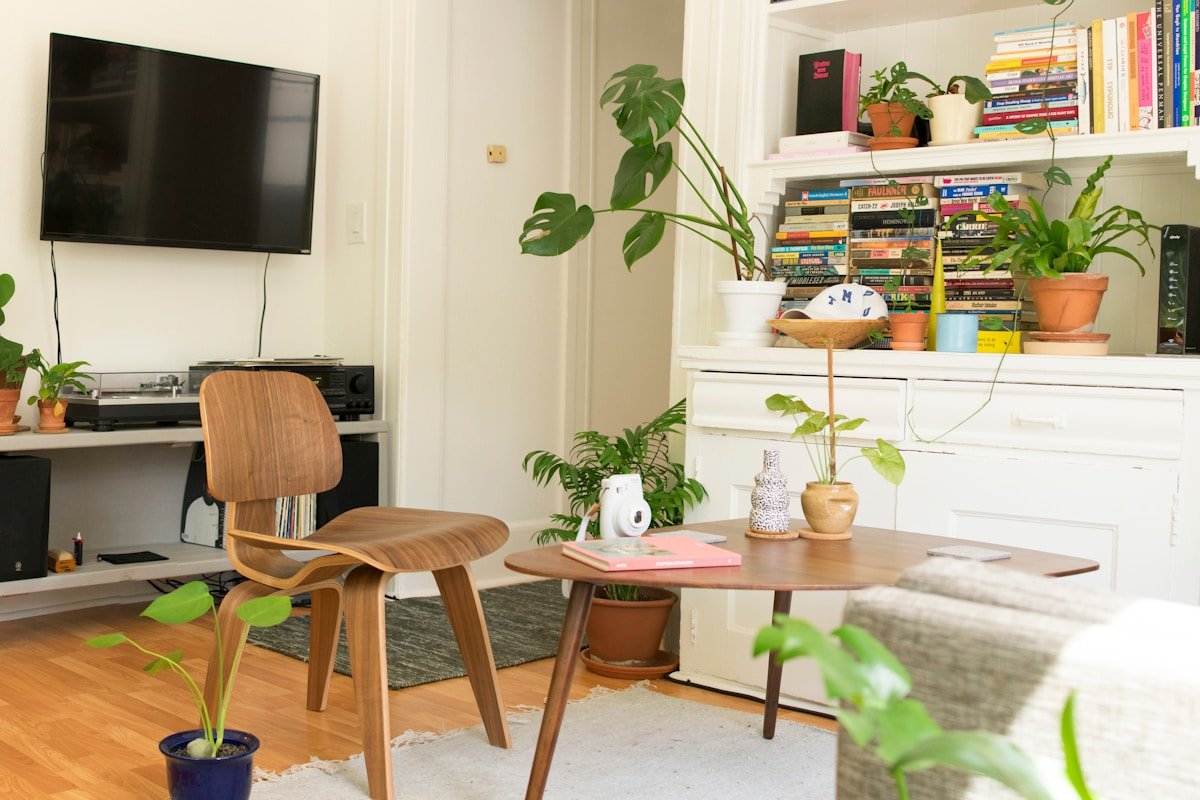
Living Room Colour Ideas are the foundation of a thoughtful, well-planned space. This comprehensive guide brings together everything our editors have learned about Living Room Colour Ideas, from layout and lighting to materials, finishes and budget-friendly upgrades, so you can make confident decisions and avoid the costly mistakes we see repeated in homes every year. Whether you are starting a full refurbishment or simply refreshing a tired room, the Living Room Colour Ideas covered here will help you get the most from your space, your budget and your time.
Living Room Colour Ideas: Why the Living Room Paint Choice Is the Most Important in the House
The living room is, in most UK homes, the room that gets used the most and seen the most. It is the room where you collapse after work, where friends congregate on a Friday night, where the family piles in on a Sunday afternoon. Yet for all this use, the living room is often the last room to be redecorated, and the paint colour is often chosen in a panic.
Table of Contents
The right paint colour can transform a living room. It can make a north-facing room feel warmer, a small room feel bigger, a cluttered room feel calmer, and a featureless room feel like somewhere you actually want to spend time.
This guide brings together 25 living room colour ideas that have been tested in real British homes. Sample at different times of day, and remember that paint always looks slightly different on a wall than on a swatch.
Start with the Light
Before you look at a colour chart, you need to understand the light in your living room.
North-Facing Rooms
North-facing rooms get the coolest, flattest light. Whites can look grey and clinical, blues can look icy. The solution is to lean into the light: soft yellows, warm pinks, terracotta, and earthy reds all glow in north light.
South-Facing Rooms
South-facing rooms are a gift. Almost any colour will work. Cool whites, soft greys, blues, greens and lilacs all sing in south light.
East and West-Facing Rooms
East-facing rooms get lovely morning light but feel cold by evening. West-facing rooms are the opposite. Both need a colour that works in two different light conditions, which is where mid-tone neutrals come into their own.
25 Living Room Colour Ideas
Soft, Calming Neutrals
1. **Dulux Egyptian Cotton** with off-white woodwork – a gentle, warm neutral. 2. **Farrow & Ball Ammonite** with strong white ceiling – a sophisticated grey-green. 3. **Mylands Hoxton Blue** with ivory woodwork – a soft, slightly muted blue. 4. **Little Greene French Grey Mid** with slaked lime woodwork – a balanced grey. 5. **Dulux Natural Hessian** with white cotton ceiling – a warm, earthy neutral.
Warm, Cosy Colours
6. **Farrow & Ball Setting Plaster** with pavilion blue woodwork – a dusty pink. 7. **Dulux Spiced Honey** with soft cream woodwork – a warm caramel tone. 8. **Farrow & Ball India Yellow** with black woodwork – a confident, joyful yellow. 9. **Mylands Belgravia** with off-black woodwork – a sophisticated terracotta. 10. **Little Greene Windmill Lane** with roman plaster woodwork – a soft, earthy red.
Cool, Restorative Colours
11. **Farrow & Ball Pigeon** with ammonite woodwork – a much-loved blue-grey. 12. **Dulux Denim Drift** with white cotton woodwork – a soft, slightly muted blue. 13. **Mylands Pimlico Green** with ivory woodwork – a deep, sophisticated green. 14. **Farrow & Ball Inchyra Blue** with shaded white woodwork – a moody, atmospheric blue. 15. **Little Greene Hicks’ Blue** with slaked lime woodwork – a soft, slightly grey blue.
Bold, Confident Colours
16. **Farrow & Ball Hague Blue** with all white woodwork – a deep, dramatic blue-green. 17. **Dulux Sapphire Springs** with white cotton woodwork – a rich, saturated blue. 18. **Mylands Buckingham Green** with off-white woodwork – a confident, traditional green. 19. **Farrow & Ball Salon Drab** with pavilion blue woodwork – a sophisticated green-brown. 20. **Little Greene Theatre Red** with slaked lime woodwork – a bold, dramatic red.
Quietly Modern Schemes
21. **Farrow & Ball Cornforth White** with purbeck stone woodwork – a soft, modern neutral. 22. **Dulux Timeless** with pure white woodwork – a barely-there grey. 23. **Mylands Holland Park** with ivory woodwork – a sophisticated, slightly green grey. 24. **Little Greene Quietness** with slaked lime woodwork – a soft, slightly blue green. 25. **Farrow & Ball Elephant’s Breath** with ammonite woodwork – a much-loved warm grey.
Painting Techniques That Add Interest
A single colour on four walls is fine, but a little painting technique can elevate a living room from pleasant to genuinely interesting.
Feature Wall
The classic feature wall, in a contrasting colour or with a different finish, is back in fashion. The key is to choose a wall that has a natural reason to be the focus: the one with the fireplace, the one behind the sofa, or the one that catches the best light.
Two-Tone Walls
Paint the lower third or lower half of the wall in one colour and the upper portion in another, separated by a dado rail or picture rail. The darker colour on the lower portion adds weight; the lighter colour above opens it up.
Panelled Walls
If you have wall panelling, painting the panels and the woodwork in the same colour creates a more contemporary, architectural look.
Practical Painting Tips
- **Always use a primer on new plaster or bare wood**
- **Use a quality brush and roller** – cheap tools shed fibres and leave marks
- **Cut in first, then roll** – work in small sections to keep the edge wet
- **Two thin coats are better than one thick coat**
- **Don’t paint in direct sunlight** – the heat makes the paint dry too quickly
Frequently Asked Questions
Q1. What is the most popular living room paint colour in the UK?
Warm greys and soft greens are consistently the most popular, with Farrow & Ball Elephant’s Breath, Pigeon, and Ammonite appearing on countless Pinterest boards.
Q2. Should I paint the living room the same colour as the hallway?
Yes, particularly if both rooms are visible from the front door. A continuous colour creates a sense of flow and makes the hallway feel more spacious.
Q3. How do I choose a paint colour for a small living room?
For a small living room, the safest options are light, warm neutrals that reflect light. Avoid very dark or very saturated colours on all four walls.
Q4. How much paint do I need for a living room?
A standard UK living room of around 4m by 5m with 2.4m ceilings will need approximately 10 to 12 litres of emulsion for two coats.
Q5. Is it worth hiring a professional decorator?
For a single room with reasonable access, a competent DIYer can achieve a good result. For whole-house redecoration, high ceilings, period features, or any finish that requires spraying, a professional decorator is well worth the cost.
Conclusion
Choosing a living room paint colour is one of the most personal design decisions you will make. The colour you live with will affect your mood, your energy and your enjoyment of the room, so it is worth taking time to get it right.
Sample colours at different times of day. Live with test patches for a few days before committing. Trust your instincts rather than the latest trend.
Related Articles You May Find Useful
Continue exploring the topic with these hand-picked guides from our editorial team.
- small bathroom ideas (UK)
- small shower room ideas (UK)
- bathroom decorating color ideas (UK)
- shower room ideas (UK)
- ideas for decorating the bathroom (UK)
Further Reading and Trusted Sources
For more inspiration and expert advice, see the latest from Real Homes — expert UK home renovation advice.
For more inspiration and expert advice, see the latest from Ideal Home — British decorating and interiors inspiration. Put simply, the right Living Room Colour Ideas can transform how a room looks, feels and functions — and that is exactly what we hope this guide helps you achieve.

2 thoughts on “Living Room Colour Ideas: 25 Palettes for Every UK Home”