Wall Decoration Ideas for UK Homes: 15 Practical Ways to Dress a Blank Wall
Meta description: Discover practical wall decoration ideas for UK homes, from gallery walls and mirrors to renter-safe shelves, with measurements for every room.
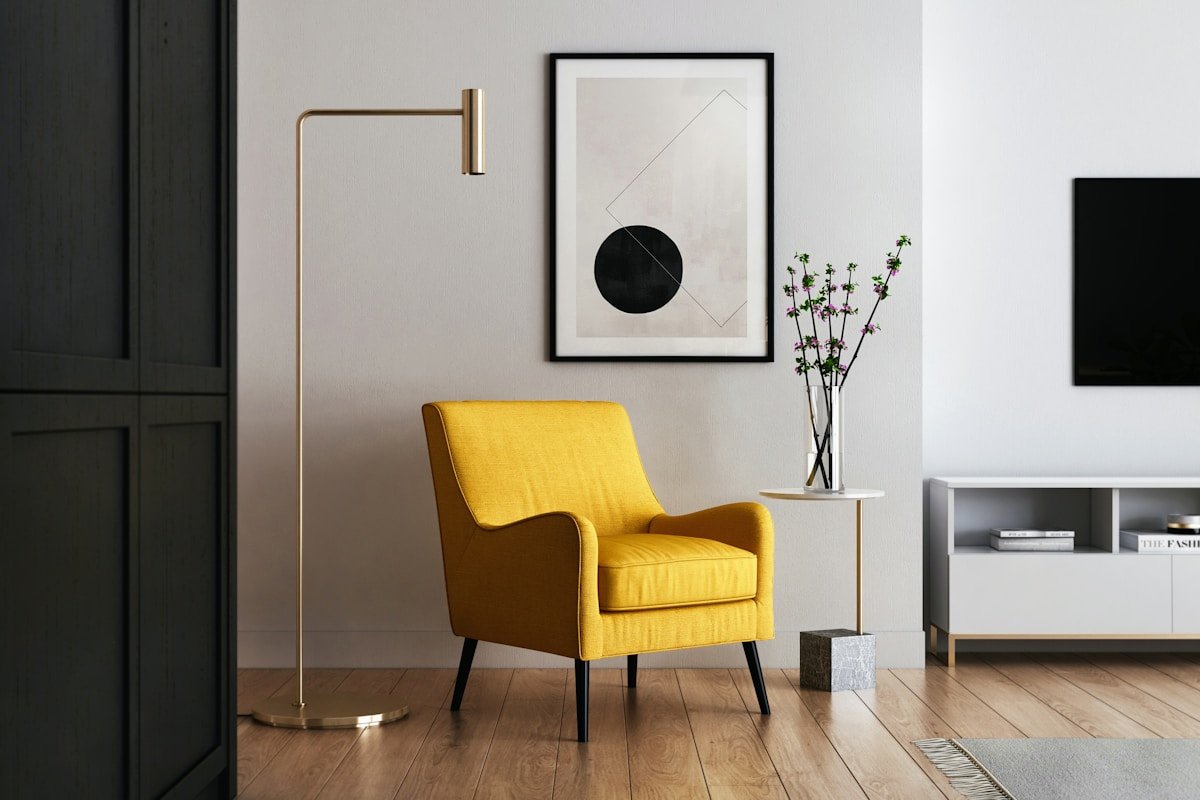
A blank wall can make a room feel unfinished, but filling it successfully is not simply a case of buying the biggest picture you can find. The right choice depends on the wall’s width, what sits below it, the amount of daylight, your budget and whether you can drill into the plaster.
For further UK-focused visual inspiration, browse Ivy Grey Interiors’ wall décor guide, then use the practical checks below before buying or fixing anything.
Contents
- Start with the wall, not the object
- 15 wall decoration ideas that are easy to plan
- 1. Create a measured gallery wall
- 2. Use one oversized artwork
- 3. Hang a mirror where it earns its keep
- 4. Make a small hallway feel taller
- 5. Turn an alcove into a focal point
- 6. Treat a chimney breast as an art wall
- 7. Add picture ledges for flexible display
- 8. Layer plates, baskets or textiles
- 9. Use wall lights as decoration
- 10. Bring in plants without losing floor space
- 11. Use panelling selectively
- 12. Try wallpaper inside a defined area
- 13. Choose a renter-safe display
- 14. Build a useful kitchen wall
- 15. Make a small living room feel larger
- A simple hanging and spacing checklist
- How to choose by budget and effort
- Wall decoration ideas: FAQs
- Final thoughts
Start with the wall, not the object
Before choosing frames, paint or shelving, measure the area you want to decorate. Note the wall’s overall width and height, then measure the furniture or fitting beneath it. A decoration that looks generous in a shop can seem lost above a wide sofa; several small pieces can look cluttered on a narrow strip of wall.
Also check the practical constraints:
- Is the wall plasterboard, masonry, tiled or covered with wallpaper?
- Are there sockets, pipes, cables, a flue or a radiator behind the surface?
- Will a door, cupboard or window hit the display?
- Does the room face north and need light-reflecting finishes, or receive strong direct sun that could fade artwork?
- Can you make permanent holes, or do you need a removable solution?
For a quick starting point, hang the centre of artwork at approximately 145–155cm from the floor. This is a guide rather than a rule: a seated room, a tall hallway or a home with unusually high ceilings may need a different sightline.
15 wall decoration ideas that are easy to plan
1. Create a measured gallery wall
A gallery wall gives a plain living-room or stair wall personality without relying on one expensive statement piece. The trick is to plan the outside shape and the gaps before you pick up a drill.
Lay the frames on the floor, or cut paper templates to their exact sizes. Aim for consistent gaps of roughly 5–8cm between neighbouring frames, then keep the overall arrangement centred over the furniture. A large central print can anchor smaller photographs, sketches or textile pieces around it.
For a calm look, repeat one frame finish and vary the artwork. For a more collected arrangement, mix frame finishes but repeat one colour from the room. Keep heavy or glass-fronted pieces on suitable fixings and check the combined weight rather than assuming one picture hook will carry everything.
2. Use one oversized artwork
One large painting, print, map or photograph is often more restful than a collection of small pieces. It works particularly well above a sofa, bed or sideboard where the furniture already gives the wall a strong horizontal line.
As a planning guide, let the artwork occupy about two-thirds to three-quarters of the furniture’s width. Above a sofa, leave approximately 15–25cm between the top of the sofa and the bottom of the frame. If the artwork is unusually tall, centre it by eye rather than forcing it into a fixed measurement.
3. Hang a mirror where it earns its keep
Mirrors are decorative, but their best position is determined by what they reflect. Place one opposite a window to bounce daylight into the room, or at the end of a hallway to create a stronger sense of depth. Avoid reflecting a cluttered corner, television or harsh light source.
Do not treat a heavy mirror like a lightweight picture. Use fixings suitable for the wall construction, follow the manufacturer’s instructions and ask a professional if the wall is uncertain or the mirror is particularly large.
4. Make a small hallway feel taller
Hallways often offer long, narrow walls but little floor space. A vertical arrangement of two or three prints can draw the eye along the route without narrowing the passage with deep shelves or furniture.
A useful rule is to protect the clear walking route first. Do not let a shelf, frame or plant project into a busy pinch point, particularly near a stair, front door or radiator.
5. Turn an alcove into a focal point
An alcove does not have to become a storage project. A single piece of art, a small picture ledge or a painted back panel can make the recess feel intentional without filling every centimetre.
Measure the narrowest point, not just the opening, because older walls are rarely perfectly square. For a display ledge, leave enough depth for the frames to lean securely and avoid placing fragile objects where a passing shoulder could catch them.
6. Treat a chimney breast as an art wall
A chimney breast already has architectural presence, so it usually needs one deliberate treatment rather than multiple competing ideas. Centre a substantial artwork, mount a television within a considered composition, or use the breast as the starting point for a pair of symmetrical pieces.
Check the surface before fixing anything. Older fireplaces can involve masonry, uneven plaster or hidden services. Never drill into a chimney or wall simply because a mark looks convenient; investigate the construction and use appropriate professional advice where necessary.
If you want a more architectural finish, keep this article’s treatment light and use the dedicated wall panelling ideas guide for the detailed panelling decision.
7. Add picture ledges for flexible display
Picture ledges are useful when you like to change artwork seasonally or cannot commit to a tightly measured gallery wall. Layer two or three frames at different depths, then add one small object such as a ceramic vase or candle holder.
Because the ledge carries several objects, fix it according to its total loaded weight, not its empty weight. This is especially important on plasterboard.
8. Layer plates, baskets or textiles
Decorative plates, woven baskets and framed textiles add texture where a room feels too flat or hard. They are particularly effective in a dining room, kitchen, bedroom or relaxed sitting room where glossy framed art might feel formal.
For plates and baskets, use purpose-made hanging hardware and check each item individually. A plate that is safe on a shelf is not automatically safe above a bed or sofa.
9. Use wall lights as decoration
A wall light can be both a practical layer of illumination and a sculptural feature. Pair two matching fittings beside a bed or mirror, or use one directional reading light next to a chair.
Plan the light around the furniture, not the other way around. A fitting that projects too far beside a narrow bed can become an obstacle, while a glare-prone lamp above eye level can make the wall uncomfortable to look at. If new wiring is required, use a qualified electrician and consider how the cable will be concealed.
For a no-rewire approach, a rechargeable lamp or plug-in fitting may work, but check charging access, heat, cable routes and the manufacturer’s instructions before fixing it permanently.
10. Bring in plants without losing floor space
Hanging planters, wall-mounted pots and a narrow plant shelf add life to a blank wall. Choose plants for the actual light level rather than selecting by appearance alone, and protect the wall from watering and condensation.
A plant in a bathroom or kitchen needs moisture-tolerant materials and secure fixings. Avoid placing heavy wet pots above seating or beds, and do not hang anything where trailing leaves could touch a heater or obstruct a door.
11. Use panelling selectively
Panelling can add rhythm and help define a dining nook, bed wall or entrance, but it should solve a visual problem rather than cover every wall by default. Consider a single chimney breast, the lower half of a dining wall or a framed panel behind a desk.
Before starting, check the wall for damp, unevenness and services. Allow for skirting boards, sockets and door architraves, and decide whether the final finish will be painted or left natural. For measured options and a fuller installation discussion, see wall panelling ideas.
12. Try wallpaper inside a defined area
Wallpaper does not have to run around the whole room. Use it behind open shelves, within an alcove, on a chimney breast or as a framed panel. This gives a patterned wall impact while keeping the rest of the room easier to balance.
Order samples and view them in morning, afternoon and artificial light. Pattern scale matters: a large repeat can look dramatic on a broad wall but overwhelming in a tight recess. Protect the edges around sockets and woodwork with careful preparation rather than relying on a thick bead of caulk to hide uneven cuts.
If your main aim is changing the room’s colour rather than adding a decorative surface, keep the decision separate and explore living-room painting ideas.
13. Choose a renter-safe display
A rental can still have a finished-looking wall. Lean framed art on a shelf or mantel, use removable strips within their stated weight limits, choose lightweight textiles, or create a freestanding display with a narrow console and mirror.
A small collection of similarly sized frames usually looks more intentional than lots of tiny temporary decorations. Repetition gives a rental-friendly display a designed quality without permanent joinery.
14. Build a useful kitchen wall
In a kitchen, the best wall decoration often earns its space. A slim rail for utensils, a magnetic knife strip, a shallow shelf for frequently used crockery or a framed menu board can add character while improving everyday function.
Keep combustible, delicate or absorbent materials away from the hob, kettle steam and sink splash. Measure the opening of cupboards and appliances before adding a shelf, and preserve the clearance needed to lift lids, open doors and clean the worktop.
15. Make a small living room feel larger
In a compact living room, use the wall to lift the eye rather than adding more furniture. A tall mirror, one large pale artwork or a narrow picture ledge can create a stronger vertical or horizontal line without taking floor area.
Keep the composition related to the sofa: a piece that is too small will make the furniture look oversized, while a deep shelf can make the room feel tighter. If the wall is already busy with doors and windows, one calm treatment is usually more effective than several unrelated accents.
For furniture layouts and space-saving context, pair this approach with the small living-room furniture guide, rather than trying to solve a circulation problem with decoration alone.
A simple hanging and spacing checklist
Use this checklist before making holes:
- Measure the wall and furniture below it. Mark the centre line with low-tack tape.
- Mock up the arrangement. Use paper templates or lay frames on the floor.
- Protect key clearances. Start with around 15–25cm above a sofa and 20–30cm above a bed, then adjust to the room and object.
- Check the sightline. Artwork often looks comfortable when its centre is around 145–155cm from the floor, but seated rooms and tall halls may need a different height.
- Identify the wall construction. Choose fixings for masonry, plasterboard or another surface; do not guess.
- Scan for hidden services and hazards. Be particularly careful near sockets, switches, radiators, bathrooms, kitchens and chimney breasts.
- Load-test the plan, not just the hook. Include the frame, glass, shelf and every object that will sit on it.
- Step back before final fixing. View the arrangement from the doorway and from the main seat in the room.
How to choose by budget and effort
If you want a quick, low-commitment change, start with a mirror, a framed print, a textile or a picture ledge. These can transform a wall without building work, although the fixing still needs to suit the wall and the object’s weight.
For a higher-effort result, look at fitted shelving, wired wall lights, full-height wallpaper or panelling. Get measurements and quotations before committing, and ask what preparation, electrical work, making good and decoration are included. Current UK prices change quickly by material, region and installer, so avoid treating an online inspiration figure as a reliable quote; obtain dated local prices for the exact scope.
Wall decoration ideas: FAQs
What is the best height to hang wall art?
Use the centre of the artwork as a starting point and aim for approximately 145–155cm from the floor. Above furniture, the relationship matters more than a universal number: leave around 15–25cm above a sofa and 20–30cm above a bed, then adjust for the frame, headboard, ceiling height and seated sightline.
How do I decorate a blank wall without making it look cluttered?
Choose one dominant idea first, such as a large artwork, mirror, gallery wall or ledge. Repeat one frame finish, colour or material to connect the pieces, and leave visible negative space around the arrangement. A measured outside edge and consistent 5–8cm frame gaps usually look calmer than adding objects until the wall feels full.
What wall decoration works best in a small room?
Prioritise shallow or vertical treatments: one tall mirror, a single large pale artwork, a narrow ledge or a compact gallery wall. Keep circulation clear and avoid deep shelves beside doors or in narrow passages. Decoration should reinforce the room’s layout rather than compete with it.
Can I decorate walls in a rented home?
Yes. Lean artwork on existing furniture, use lightweight textiles or removable fixings within their stated limits, and choose freestanding mirrors and consoles. Test adhesives discreetly, check your tenancy agreement and do not hang heavy or valuable items where an uncertain fixing could create a safety risk.
Should a gallery wall be symmetrical?
Not necessarily. Symmetry works well above a formal console or between matching wall lights, while an irregular arrangement can feel more relaxed. In either case, plan the overall boundary, keep the gaps intentional and make sure the composition is centred on the furniture or architectural feature beneath it.
Final thoughts
The most successful wall decoration ideas are not necessarily the most elaborate. They are the ones that respect the wall’s size, the room’s movement and the way you actually live in the space. Start by measuring, decide whether the wall needs art, storage, light, texture or a sense of depth, then choose one treatment that solves that need.
A gallery wall can make a home personal, a mirror can redirect daylight, and a well-placed ledge can provide display without taking floor space. Keep the fixings appropriate, leave useful breathing room and treat costs as a current local quotation rather than a permanent figure. With that practical groundwork in place, even an awkward hallway, alcove or blank chimney breast can become one of the most considered parts of a UK home.