Useful boys bedroom ideas start with the child and the room, not a stereotype. Some children want a strong colour, others prefer calm neutrals; one may need floor space for building, while another needs shelves for books or a desk for drawing. The best design balances age, personality, storage, available space and flexibility.
Think in layers. Put the bed, circulation, lighting and storage in the right places first, then add character through paint, bedding, pictures and objects that can change. This makes the bedroom feel considered without forcing it into a football, car or space theme unless that is genuinely what the child enjoys.
Table of Contents
Choose a direction that suits the child
Begin with a short conversation about how the room is used. Ask what should be easy to reach, what needs to be displayed and what currently gets in the way. A child who reads may want a bedside shelf and a comfortable light; a child who builds or draws may value a clear table and washable storage more than a large display unit.
Collect three or four reference images together, then look for the common features rather than copying one room. The shared thread might be warm wood, a low-key colour palette, open shelves or a particular lighting mood. This gives the design direction while leaving room for the actual dimensions of the bedroom.
Plan for age and changing interests
A younger child may need reachable toy storage, a safe place to read and open floor for play. An older child may need a proper desk, clothes storage, charging and somewhere to display collections. The fixed furniture should support both stages where possible, while the accessories can change as the child grows.
- Early years: choose low baskets, rounded edges and an uncluttered route around the bed.
- Primary school: add a surface for drawing, books and school items that can be returned easily.
- Older children: allow for a larger desk, better clothes storage and a more private display area.
- Teenage years: use the room’s flexible base for a more independent layout rather than starting again.
For the last stage, our guide to bedroom designs for teenage guys focuses on creating a room that can evolve rather than relying on a short list of decorations.
Use colour and themes without overcommitting
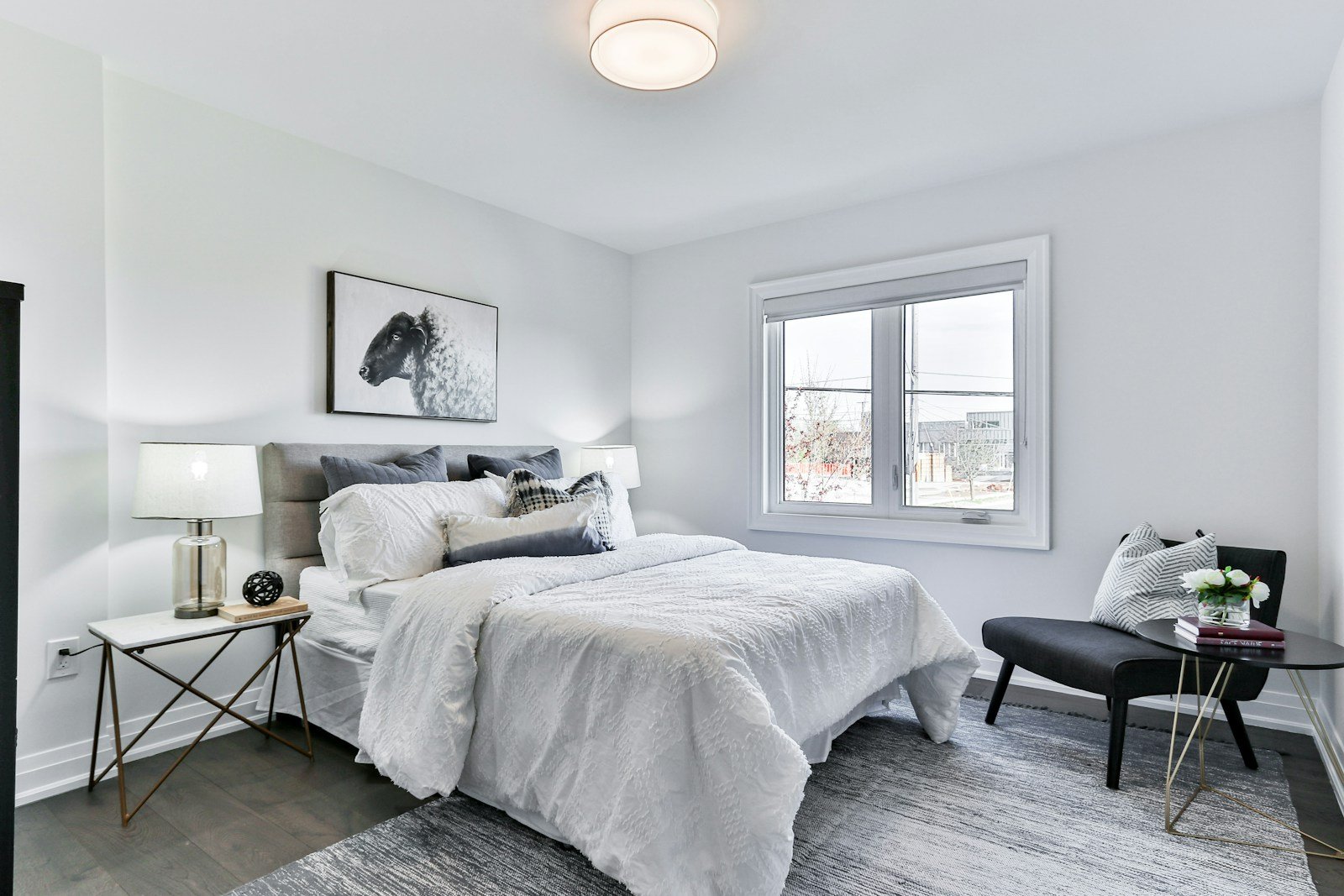
Colour can make a bedroom feel finished quickly, but a whole-room theme can become limiting. Use a durable base on the walls and bring a strong interest into one moveable layer, such as a duvet cover, framed print, rug or curtain. If the interest changes, the room can change with it.
There is no reason to limit the palette to traditional “boys’” colours. Deep green, terracotta, lilac, blue-grey, mustard, warm white and natural wood can all work when the tones suit the light in the room. Test paint on more than one wall because north-facing and south-facing rooms can make the same colour look very different.
Make storage part of the layout
Storage works best when it follows the route through the room. Put school bags near the door, clothes where dressing happens and books beside the bed or desk. Use open shelves for items that are genuinely used or enjoyed, and closed boxes for the smaller collection of pieces that create visual clutter.
- Choose labelled boxes or baskets that a child can use without adult reorganisation.
- Leave one spare shelf or drawer for interests that have not arrived yet.
- Use the space under the bed for seasonal bedding or less frequent items.
- Keep the top of a wardrobe for items that are safe to store there and rarely needed.
Storage should not consume every open area. A room with a clear patch of floor is easier to play in, clean and rearrange. If the bedroom is tight, our advice on making a small bedroom look bigger covers visual weight, furniture scale and circulation.
Design around small and shared rooms
In a small room, measure the bed, wardrobe and door swing before choosing accents. A narrow bedside shelf, wall hooks and under-bed drawers may be more useful than a full set of matching furniture. Keep the main route clear and avoid placing a tall item where it blocks daylight.
Shared bedrooms need both togetherness and a sense of ownership. Keep the larger furniture consistent if that makes buying and arranging easier, then give each child an individual shelf, pinboard, bedside light or bedding choice. A low divider, curtain or change in wall display can create visual boundaries without splitting the room into awkward corridors.
If bunk beds are part of the plan, check the product instructions, age guidance and guard requirements rather than treating them as ordinary beds. RoSPA’s bunk-bed safety advice is a useful starting point, but the manufacturer’s instructions for the exact model should decide how it is assembled and used.
Build in reading, play and hobby space
A bedroom does not need a separate zone for every activity. Instead, give one surface or corner more than one job. A sturdy desk can handle drawing, homework and model-making; a storage bench can hold toys and become a place to read; a clear wall can display pictures now and a timetable later.
Keep the most-used items close to the activity and avoid deep boxes that hide everything. A shallow tray for pencils, a book ledge and a basket for soft toys often make a bigger difference than a complex shelving system. Leave enough floor area for the activity to be put away without dismantling it immediately.
Use lighting and bedding to finish
Use a ceiling or pendant light for general visibility, a desk light for close work and a lower bedside light for reading. A dimmer or warm bulb can make the room more comfortable in the evening. Keep cables out of the walkway and make sure lamps are stable before they are left within reach.
Bedding offers an easy seasonal change. Choose washable covers, then rotate colour and pattern through a blanket, cushion or one printed side of the duvet. If you are changing the bed as well, compare proportions and base types in our bed buying guide before choosing a frame that leaves too little room for storage.
Create a room that can be reset
The most practical bedroom is easy to return to a usable state. Put a laundry basket where clothes actually come off, a bin beside the desk and hooks at a reachable height. Give collections a display limit so the room can still be dusted, and keep a spare box for pieces that are between interests rather than ready to throw away.
Revisit the design when the child’s routine changes. A new school year, a different hobby or a growing clothes collection may need a shelf moved more than a complete makeover. That is the value of a flexible base: the room remains theirs while the practical details keep up.
Good boys bedroom ideas are therefore less about copying a look and more about making thoughtful choices. Keep the layout useful, let personality appear in changeable layers and leave enough room for the next version of the child to use the space comfortably.