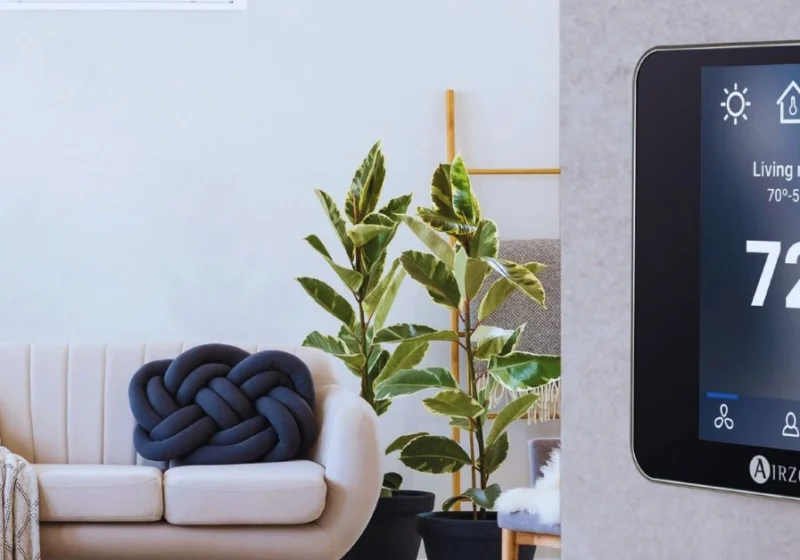
A multi-zone smart thermostat can give different parts of a home their own heating schedule, but it is not simply a smarter version of a single wall control. The system needs separate heating zones, suitable valves or wiring and a boiler or heating arrangement that can respond to those controls. It is most useful when rooms are used at different times or have noticeably different heat-loss patterns.
What multi-zone heating means
In a zoned system, the home is divided into areas that can call for heat independently. A typical arrangement might separate upstairs bedrooms from the downstairs living spaces. A larger property may have more zones, while a small flat may gain little from the extra equipment.
Each zone normally needs a temperature sensor or thermostat and a way to open or close the relevant heating circuit. Depending on the system, that may involve motorised valves, zone controls, smart radiator valves or a combination of controls. The exact arrangement is a heating design question rather than a feature that can be assumed from an app.
When a multi-zone smart thermostat is worthwhile
- Different floors are occupied at different times.
- A home has a cooler extension, loft room or frequently unused guest space.
- Bedrooms need a different overnight temperature from the living room.
- You want schedules that reflect real routines instead of heating the whole home together.
Zoning cannot compensate for poor insulation, open doors or an incorrectly balanced system. Deal with those basics first if one room is always cold or the boiler runs for unusually long periods.
Compatibility checks before buying
Start with the boiler model, existing controls and heating layout. A combi boiler may work with several control arrangements, but compatibility depends on the thermostat receiver, wiring and the communication method supported by the manufacturer. Do not assume that a control described as smart will provide boiler modulation or every available feature.
Check whether the home already has separate circuits, motorised valves or a wiring centre. If it does not, creating zones may involve more than replacing the wall thermostat. Ask a qualified heating engineer to identify the current system and explain what would need to change. Electrical and gas work should be carried out by appropriately qualified professionals.
What to look for in the controls
Useful features include separate schedules, clear manual overrides, a reliable wireless connection and an app that shows which zone is calling for heat. Geofencing can be convenient, but it should not be the only way to control the system. A simple local control is valuable if the phone is unavailable or a visitor needs to adjust a room.
Look for sensible holiday settings, frost protection and a way to see temperature history if that information will help you adjust routines. Privacy also matters: read what data the app collects, how accounts are secured and whether the system still provides basic control if the internet connection fails.
Running a zoned system well
Set each zone according to how the room is used rather than choosing a very high temperature to warm it faster. Closing internal doors can help zones behave as intended, while keeping radiators and sensors clear improves the quality of the readings. Review the schedule after a few weeks and remove periods that do not match real life.
For wider context on smart heating controls, see our guide to the best smart thermostat options for UK homes. A multi-zone system can be a useful upgrade, but the best choice is the one that matches the existing heating layout and the way the household actually uses each room.