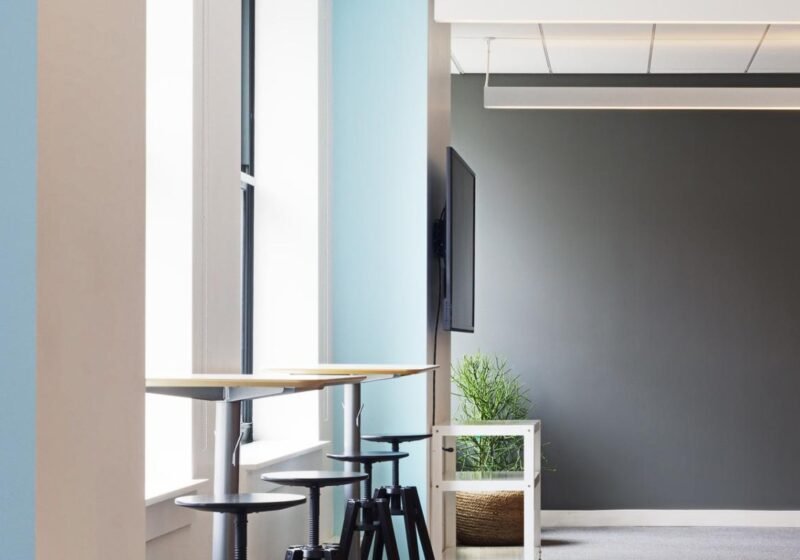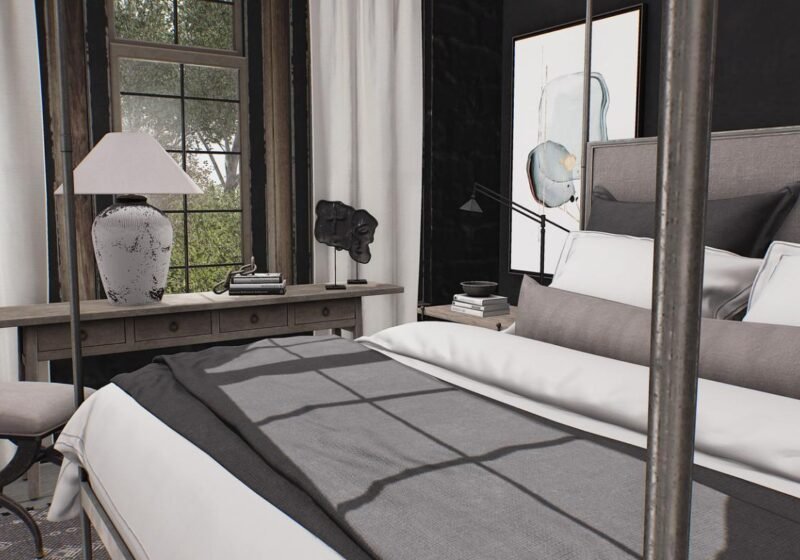
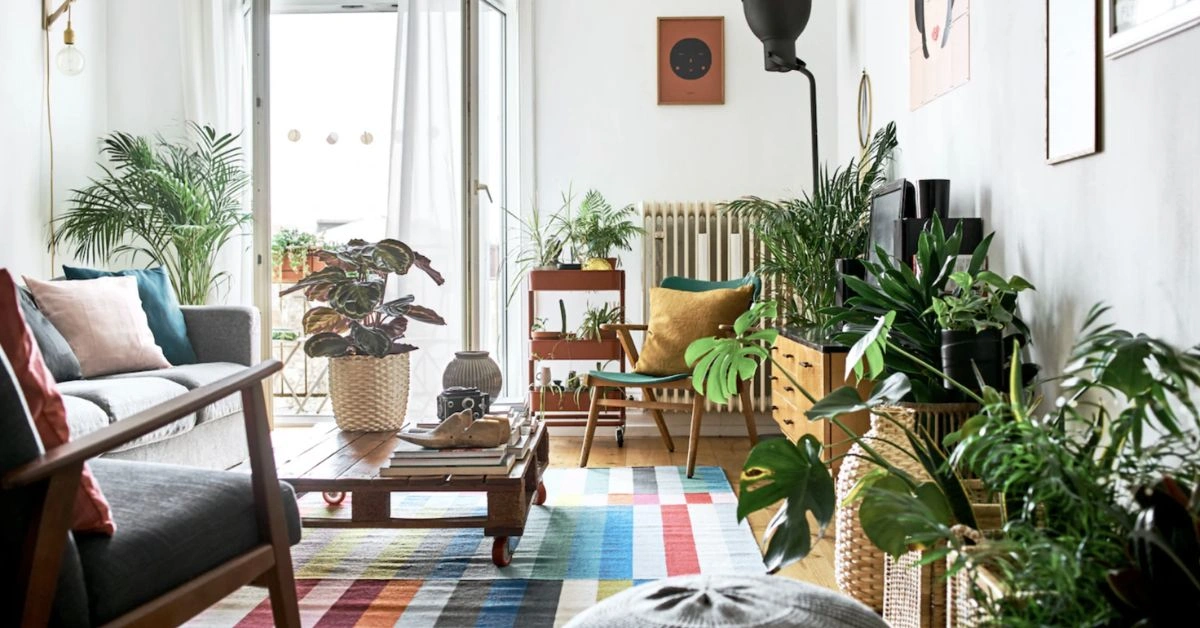
Good budget home decor ideas begin with what the room needs rather than what is fashionable. A new layout, better lighting, a carefully chosen paint colour or a second-hand piece of useful furniture can change the feel of a space without a full refit. Set a limit for each project and spend on the parts that will be touched, seen or used most often.
Start with a free reset
Remove items that do not belong in the room, move furniture away from blocked routes and group the things you actually use. Photograph the space before shopping. Often the room feels calmer once surfaces are edited and the best pieces have enough room around them.
Use paint strategically
You do not have to repaint every wall. A carefully prepared feature wall, alcove, internal door or back of a bookcase can add depth with less paint and less disruption. Test samples in morning and evening light, and buy enough from the same batch for the final coat. Preparation prevents the false economy of repainting a poorly cleaned surface.
Improve light before buying more furniture
Move a lamp closer to where reading or working happens and add a warmer secondary light to a dark corner. Replacing a tired shade or using a reflective surface behind a lamp may be cheaper than buying a new fitting. Keep lamps clear of fabric, do not overload sockets and use bulbs that suit the fitting.
Shop second-hand with a checklist
Look for solid construction, cleanable upholstery, working drawers and dimensions that fit the room. Check furniture for damp smells, signs of woodworm and loose joints before bringing it indoors. A low-cost piece is only a saving if repair, transport and refinishing still fit the budget.
Choose textiles that work hard
A washable throw, a pair of curtains or a well-sized rug can change a room more than several small ornaments. Buy the right size, check care instructions and choose colours that connect with what you already own. Swapping cushion covers seasonally uses less storage than replacing cushions.
Spend on function, not filler
- Prioritise a comfortable chair, useful storage or a good task lamp.
- Use baskets and boxes only where they solve a real storage problem.
- Frame a favourite print or photograph rather than buying generic wall art.
- Repair handles, hinges and loose legs before replacing an otherwise sound item.
Our guide to choosing a colour scheme for a UK home can help avoid buying paint that clashes with existing floors and fabrics. Affordable decor should make the home easier to live in, not create a cycle of disposable purchases.