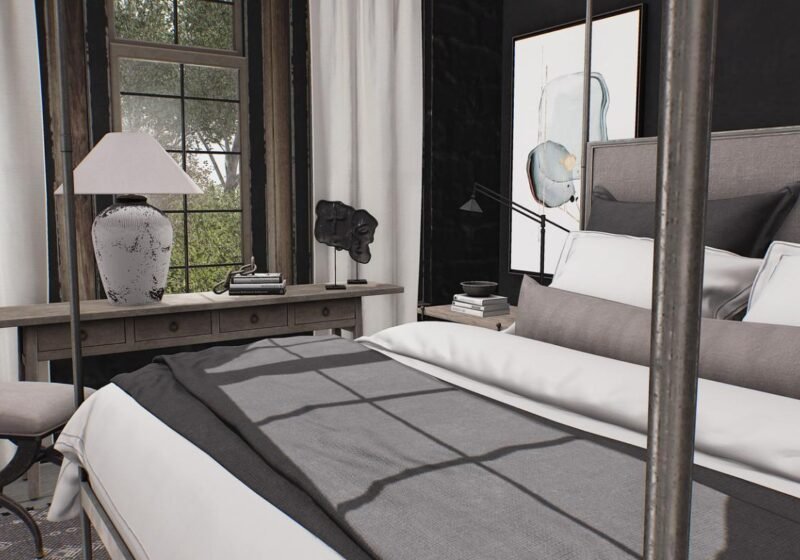

The best DIY home decor ideas are small enough to finish properly and useful enough to improve everyday life. Painting, changing hardware, making a simple display or refreshing a tired piece of furniture can have more impact than starting a large project without a clear finish. Prepare the surface, protect the room and stop when the work moves beyond your skill level.
Plan before picking up a tool
Decide what you want to change, how long the room can be out of use and what the finished surface must withstand. Test paint or adhesive in a hidden spot, measure twice and list consumables as well as tools. If a wall may contain hidden cables or pipes, use an appropriate detector and avoid drilling until you understand the risk.
Paint a high-impact area
A fresh coat on a tired wall, inside a bookcase or behind a desk can define a room. Clean, fill and lightly smooth the surface before priming where needed. Use a suitable paint for the material, keep a wet edge and allow the manufacturer’s drying time. Good masking and a sharp cutting-in brush usually matter more than rushing through the rolling.
Refresh handles and small fittings
New cupboard knobs, drawer pulls or coat hooks can update a room with little mess. Check the existing hole centres before ordering and keep the original fittings if you rent. Use fixings suitable for the substrate, especially in plasterboard, and do not overload a hook simply because it looks secure.
Create a simple display
Group framed prints, a mirror or a small collection on one wall, leaving enough space around the arrangement. Use paper templates to test the layout before drilling. For shelves, check the wall type, the load and the fixing instructions. Our guide to installing floating shelves covers the preparation that a quick makeover can otherwise overlook.
Give tired furniture a second life
Clean a piece first and identify whether it is solid wood, veneer, painted or lacquered. Lightly scuff a suitable surface, use the correct primer and apply thin coats. Do not sand old paint aggressively if you cannot rule out hazardous coatings, and use ventilation and protective equipment for dusty or solvent-based work.
Know When Not to DIY
Gas, mains electrical work, structural changes, asbestos-containing materials and work that affects fire safety need the right professional advice. A decorative idea is not worth risking a cable, pipe or escape route. Keep floors dry, use stable steps and store sharp tools safely while the project is in progress.
Choose one project, finish the edges and clear the dust before starting another. A modest improvement with a durable finish will serve the home better than a long list of half-completed ideas.