Editorially reviewed by the Oak & Nook Home Standards Desk · Suggested update: October 2026
Editorial independence: This guide is not sponsored by a retailer or product brand.
Quick answer: Rustic home decor uses natural materials, visible texture and comfortable, useful furniture to make a room feel grounded and lived-in. It can work in a city flat as well as a country cottage: start with one honest material, a restrained earthy palette and good lighting, then add character without making every surface look old or distressed.
Contents
What is rustic home decor?
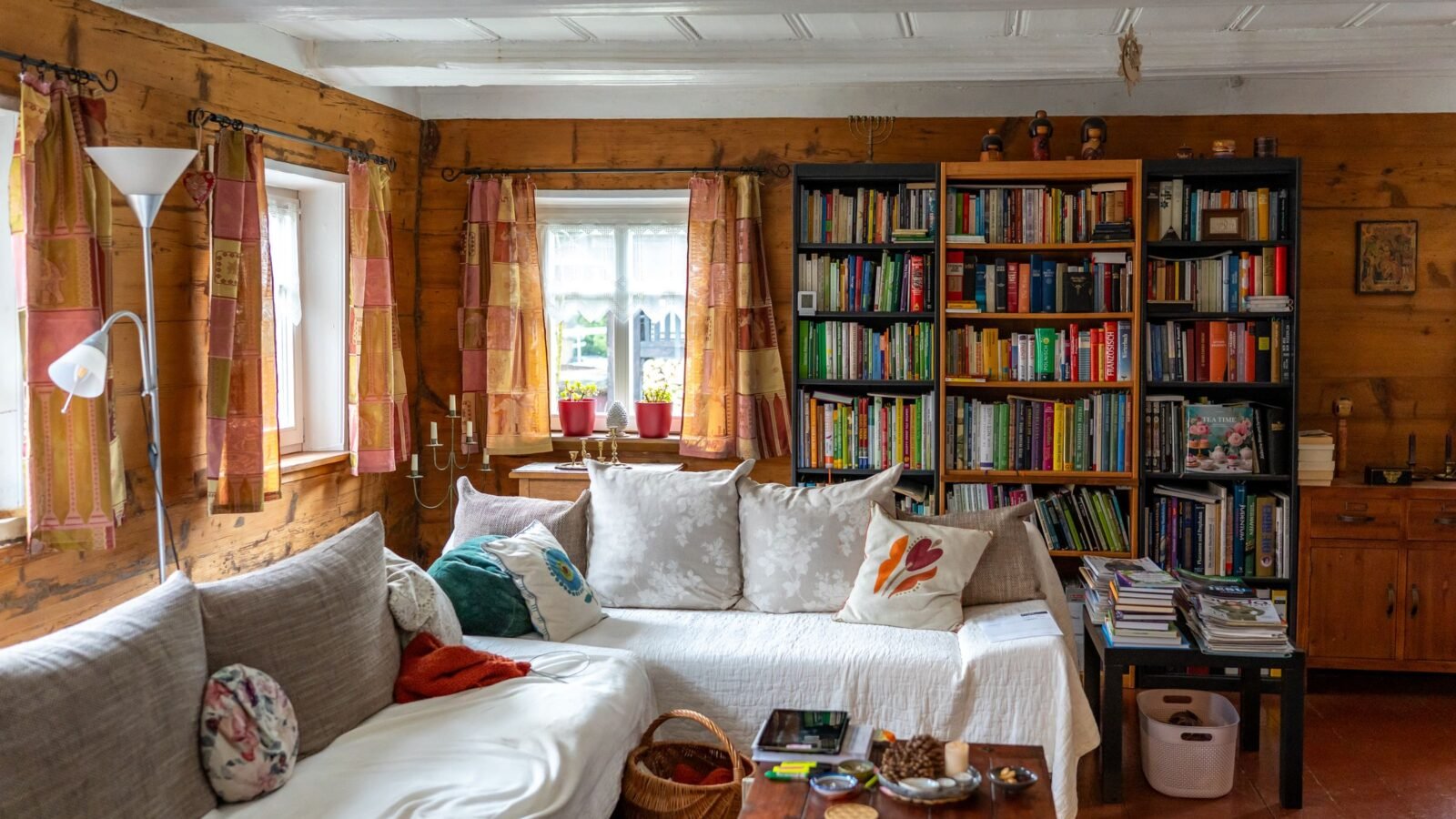
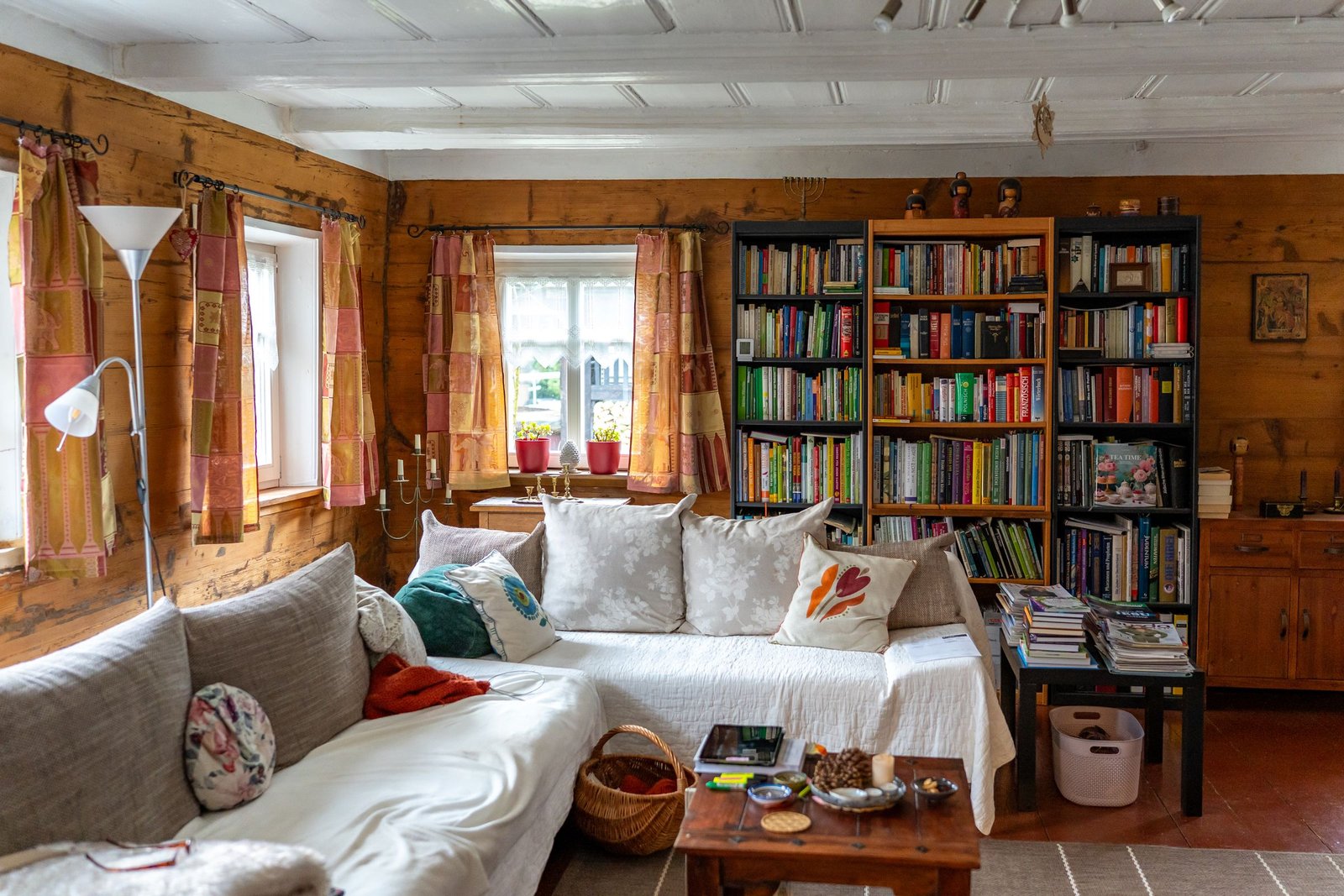
Rustic home decor takes its cues from materials in their more natural state: wood with visible grain, stone, brick, clay, wool, linen and metal. It values texture, sturdy shapes and signs of use over a perfectly smooth, matching finish. A rustic room should feel relaxed and practical, not like a set dressed to suggest a cabin.
The most convincing version uses contrast. A worn timber table feels more considered beside a simple modern lamp; rough stone has more impact against a quiet painted wall. If everything is chunky, brown and distressed, the room can feel heavy. If every surface is polished and new, the natural character disappears. Aim for a few tactile elements balanced by clear space and simpler shapes.
Rustic, farmhouse, cottagecore, Scandinavian or industrial?
These styles overlap, but they are not interchangeable. Rustic describes a material-led look: natural variation, sturdy forms and an easy, imperfect finish. Farmhouse is more specifically rooted in practical rural living and often includes painted cabinetry, a large dining table, utility details and familiar country patterns. It can be polished or modern, not just weathered.
Cottagecore is more romantic and decorative, with florals, collected china, handmade details and a storybook sense of rural life. Scandinavian usually keeps shapes cleaner and rooms lighter, prioritising function, pale woods and edited objects; it can borrow rustic texture without the heavier furniture. Industrial foregrounds workshop materials such as exposed brick, blackened steel and concrete, often with sharper contrast. A rustic-industrial room may combine both, but rustic on its own need not look like a converted warehouse.
Choose a rustic colour palette that suits your light
For rustic home decor, begin with the fixed elements you are keeping: floor, fireplace, worktop, large sofa or timber furniture. Pick wall and textile colours that sit comfortably beside them. In a UK home, check a sample on more than one wall and look at it in morning, afternoon and lamplight; a grey day can make a warm beige or green read differently from a bright shop screen.
- Warm chalk, oatmeal and oak: soft cream walls, oatmeal or flax textiles, and medium oak or pine. This is the easiest palette for a small or north-facing room because it keeps the backdrop light while wood provides warmth.
- Soft green, stone and dark timber: muted sage or olive, warm stone, and walnut or stained oak. Keep the largest surfaces pale if the room is narrow, and repeat the green in only a few smaller items.
- Clay, rust and deeper brown: a chalky neutral base with terracotta, tobacco or rust accents and one deeper timber piece. It suits a snug or dining area, but use the stronger colour on a limited surface if daylight is scarce.
Do not make every wall brown to make a room “rustic”. A pale wall lets the grain, weave and shape of the furniture show up. For a more enveloping feel, use a deeper colour in a room used mostly in the evening and support it with several warm, low-level lights rather than one harsh ceiling fitting.
Materials that give a room a genuine rustic feel
- Wood: choose a finish that lets the grain show. Solid timber, veneer with a visible real-wood face, and reclaimed boards can all work; the key is understanding what you are buying. Check whether a piece is structurally sound, whether the finish is sealed, and whether the colour clashes with existing flooring. A room does not need five competing wood tones. Keep the largest pieces within a similar warm or cool family, then let one contrasting item stand out.
- Stone, brick and tile: these add weight and permanence, whether as an original fireplace, a tiled floor or a small splashback. In a modern flat, a few stoneware accessories can introduce texture without trying to imitate an old wall. Do not expose brick or remove plaster until you know what is behind it and whether the wall is sound, insulated and suitable for the change.
- Textiles and metal: linen, cotton, wool, leather, jute and woven rush soften hard surfaces; iron, aged brass and dark steel add a fine outline. Mix rough with smooth: a nubby wool throw against a plain sofa, or a handmade ceramic lamp on a simple timber table. Avoid buying a full matching “rustic” accessory set. A few useful, well-made pieces look more natural than a room filled with props.
Rustic home decor room by room
Living room: make one piece the anchor
In a rustic home decor scheme, start with the largest piece you already own. If the sofa is plain, add a timber side table, a wool rug or a linen shade; if the room has a heavy antique table, keep the sofa and shelving visually quieter. Leave a comfortable route between the entrance, seats and doors, and do not let a substantial coffee table block the way through a small room.
Use a mix of light sources: a ceiling light for general use, a floor or table lamp near the seat, and a smaller lamp or wall light to soften the far end of the room. Warm light brings out wood and woven texture more gently than a single bright central fitting. Choose a rug large enough for the front legs of the main seating to sit on it, rather than a small mat floating in the middle.
Kitchen: add character without sacrificing cleanability
Rustic home decor in a kitchen can come from a freestanding wooden table, open display shelves or a few handmade-looking ceramics; it does not require replacing the cabinets. If you have timber worktops, follow the maker’s care instructions and keep water from sitting around the sink. If you do not, bring in wood through a chopping board, stool or shelf instead of using a faux-aged finish everywhere.
Keep frequently used work surfaces clear enough to clean. Open shelving looks relaxed but gathers grease and dust near a cooker, so reserve it for items you use and wash regularly. In a rental, change handles only if permitted and keep the original fittings so they can be reinstated.
Bedroom: layer texture, not clutter
Use a restrained base of cotton or linen bedding, then add one heavier layer such as a wool blanket or textured coverlet. A wooden bed or bedside table can supply the rustic note; the rest need not match. If the room is small, choose bedside lighting that keeps the table surface useful and avoid a dark, bulky headboard if it crowds the wall.
Keep patterns to one main textile and perhaps one smaller accent. A checked throw or muted botanical cushion is enough to create a collected feel without turning the bed into a display. Hang curtains high enough to make the window feel generous, while checking that they clear radiators and do not trap heat.
Bathroom: use texture where moisture will not damage it
In a bathroom, bring rustic character through colour, ceramics, timber-look details and towels rather than untreated wood beside a shower. Choose materials and finishes rated for the wet conditions, keep ventilation working, and follow paint manufacturers’ instructions for the surface and room. A small wooden stool can be useful away from direct splash; it should dry between uses.
For a windowless or north-facing bathroom, test a warm neutral or soft green under the actual lighting before repainting. Our UK bathroom colour guide explains how light direction and finish affect colour choices.
How to create a rustic look on a budget
A budget-friendly rustic home decor update starts with what the room already has before buying more. Move furniture to expose a fireplace or window, remove a few small decorations, and see whether the natural character becomes clearer. Repairing a wobbly chair, cleaning a timber surface or changing a lampshade can be more convincing than buying a distressed-look replacement.
- Under about £100: edit and rearrange what you own; add a second-hand ceramic lamp, a couple of cushion covers, a small plant or a carefully chosen vintage frame. Keep the colours within a simple palette rather than buying a bundle of matching accessories.
- About £100-£500: consider a good used side table or small chest, a larger natural-fibre rug, a new lamp, or paint for one well-prepared wall. Check dimensions, stability, finish and collection costs before committing to a second-hand piece.
- £500 and upwards: put the money into one item that gets daily use or is difficult to redo: a properly made timber table, a durable sofa, made-to-measure curtains, better lighting or professional repair of an original floor. Joinery, stone, flooring and labour can take a room well beyond this band.
These are broad planning bands for furnishings and decorative changes, not current quotes; the same budget buys different things by region, size and material. Charity shops, local reuse groups, auctions, reclamation yards and online marketplaces can be useful, but inspect for odour, damp, woodworm, loose joints and hidden repair costs. Our DIY home decor guide covers manageable updates and when a project is better left to a professional.
How to make rustic style feel modern, not dated
The easiest safeguard is restraint. Avoid fake distressing on every surface, word signs, wagon-wheel motifs and rows of matching baskets. These items can be personal choices, but using several together can make the room feel themed rather than lived in. Let actual wear, natural grain or an original feature provide the character.
Do not force every piece into the same colour or era. Pair an older table with simple contemporary chairs, or a clean-lined sofa with a handmade ceramic lamp. Keep a portion of each surface visually quiet. This balance also helps a room feel like a home rather than a catalogue shoot.
Think about warmth without making the room dim. Dark timber, heavy curtains and brown walls can absorb light, especially through a British winter. Use a lighter wall colour, clear or translucent window treatments where privacy allows, and more than one lamp. If an old property has a damp patch, peeling plaster or draught, fix the cause rather than treating the damage as rustic patina.
Rustic decor in a small UK flat or a period home
In a small flat: rustic home decor can work well if you choose one substantial natural element rather than several bulky ones. A narrow oak console, one textured rug or a compact dining table can deliver warmth without taking over. Use vertical storage, leave sightlines open and favour furniture with legs or built-in storage where it helps the room feel less crowded. Renters can use textiles, lamps, freestanding furniture and removable artwork; check permission before painting, drilling or replacing fittings.
In a period home: for rustic home decor, first notice what is already there. Original boards, a fireplace, old doors, uneven plaster or exposed beams may be the most convincing rustic features in the room. Keep and repair sound original details where practical, then use paint and furniture to support them. Before exposing brick, sanding old paint or altering a listed building, check the listed-building consent rules and assess material hazards; old is not automatically safe to disturb.
A worked example: a calm rustic sitting room
Imagine a compact north-facing sitting room in a Victorian terrace with plain walls, an existing mid-brown floor and a modern neutral sofa. Keep the walls a warm chalk tone rather than adding another dark surface. Add one second-hand oak side table, an oatmeal wool-blend rug large enough to connect the seating, and two cushions in muted olive and rust. Choose a linen-look shade and a warm bulb for the reading lamp. Leave the fireplace, shelves and window ledge mostly clear, and repeat the olive once in a small piece of art.
The result reads as rustic because the wood, weave and natural colours are visible, not because every object looks old. If the room later needs a higher-spend upgrade, replace the least comfortable or least durable item first, rather than buying a matching suite.
Frequently Asked Questions
1. What is rustic home decor?
Rustic home decor uses natural materials, visible texture, sturdy forms and relaxed, practical furnishings to give a room a warm, lived-in feel. It can be used in a modern flat or a period home and does not require distressed furniture or a country setting.
2. What is rustic style called?
It is usually called rustic interior design or rustic decor. Related labels include modern rustic, farmhouse and country style, but each describes a different emphasis; rustic is the broader material-led look.
3. Is rustic the same as farmhouse decor?
No. Rustic focuses on natural materials, texture and an informal finish. Farmhouse style draws more specifically on practical rural homes and often includes functional kitchen details, sturdy dining furniture and country patterns. A room can combine both.
4. What is the difference between rustic and cottagecore?
Rustic interiors are usually defined by tactile materials and simple, robust furniture. Cottagecore is more decorative and romantic, often using florals, collected objects, handmade details and a storybook countryside mood.
5. What colours are used in rustic interiors?
Common rustic colours include warm white, oatmeal, stone, brown, muted green, clay and rust. Choose the combination around the room’s existing floor and furniture, then test paint samples in the room’s daylight and evening lighting.
6. How do I make a room look rustic on a budget?
Start by rearranging and editing what you own. Add one second-hand timber piece, a textured textile or a warm-shaded lamp, and repair rather than replace sound furniture. Spend on one durable item before buying several decorative props.
7. Does rustic decor work in a small flat?
Yes. Use one or two natural-material accents, lighter wall colours and compact furniture with useful storage. Keep walking routes clear and avoid several heavy, dark pieces competing in the same small room.
8. Can rustic style work in a modern house?
Yes. Pair a clean-lined sofa or kitchen with visible-grain wood, wool, linen, handmade ceramics or a single aged-metal detail. The contrast keeps rustic texture from making a newer home feel like a themed cottage.
9. How do I make a kitchen look rustic without a refit?
Keep existing cabinets and add character with a freestanding timber table or stool, a useful ceramic display, a warm pendant or a small shelf. Choose hard-wearing, cleanable finishes and do not crowd food-preparation surfaces.
10. What materials work best for rustic home decor?
Wood, stone, brick, clay, linen, cotton, wool, leather, iron and ceramics are common choices. Combine a few materials with different textures, check that each suits its use, and avoid imitating age where an honest natural finish will do.