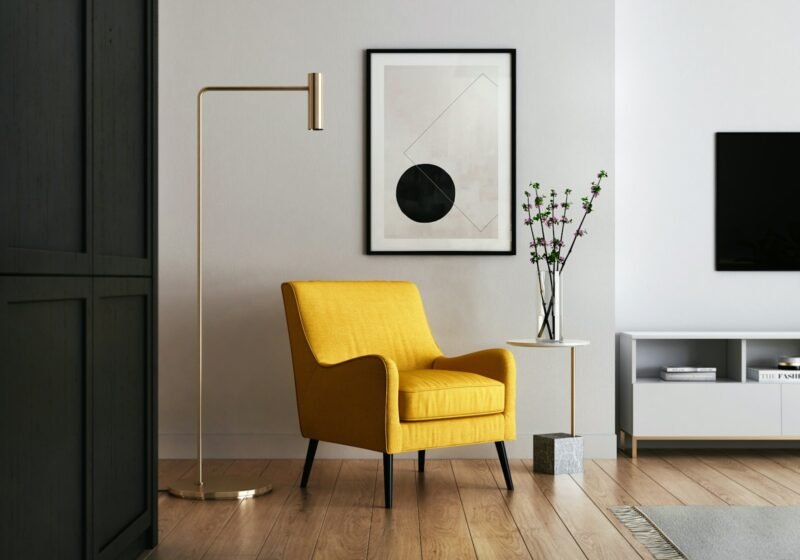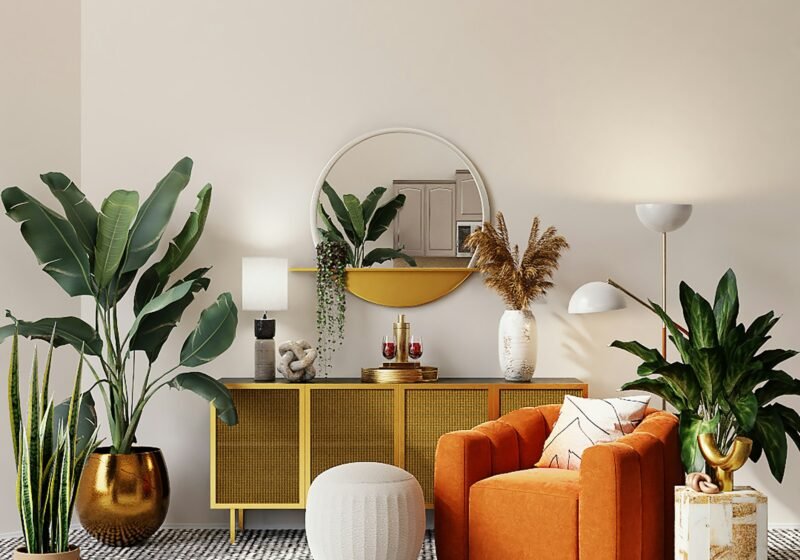


The right arm chairs for living room layouts add useful seating without making the space feel like a showroom. Choose them by purpose first: reading, conversation, television, occasional guests or a place to sit near a window. Then check scale, seat support, circulation and the relationship with the sofa. A chair that looks elegant on its own can still be too deep, too low or too wide for the room.
There is no need for every seat to match. A pair can balance a fireplace or bay window, while one contrasting armchair can create a reading spot at the edge of the main arrangement. The useful question is whether the chair improves how people move and sit, not whether it completes a matching suite.
Start with the room’s walking routes
Draw the sofa, doors, radiator, windows and media unit before adding chairs. Mark the outside width and depth of the chair, including arms and feet, then leave room to pull it out and sit down. A clear route between the entrance and the main seats is more valuable than squeezing in one extra place. In an open-plan room, use the chair to define the lounge without creating a barrier between the sitting area and the kitchen.
One chair or two?
Two narrower chairs can make a conversation area feel balanced and give visitors a choice of position. They also need two routes around their arms and a little more visual weight. One larger chair is often better in a small lounge, especially if the sofa already provides most of the seating. Try a chair footprint made from cardboard before ordering; photographs rarely show how much space is lost when the arms and back are included.
Match comfort to the way you sit
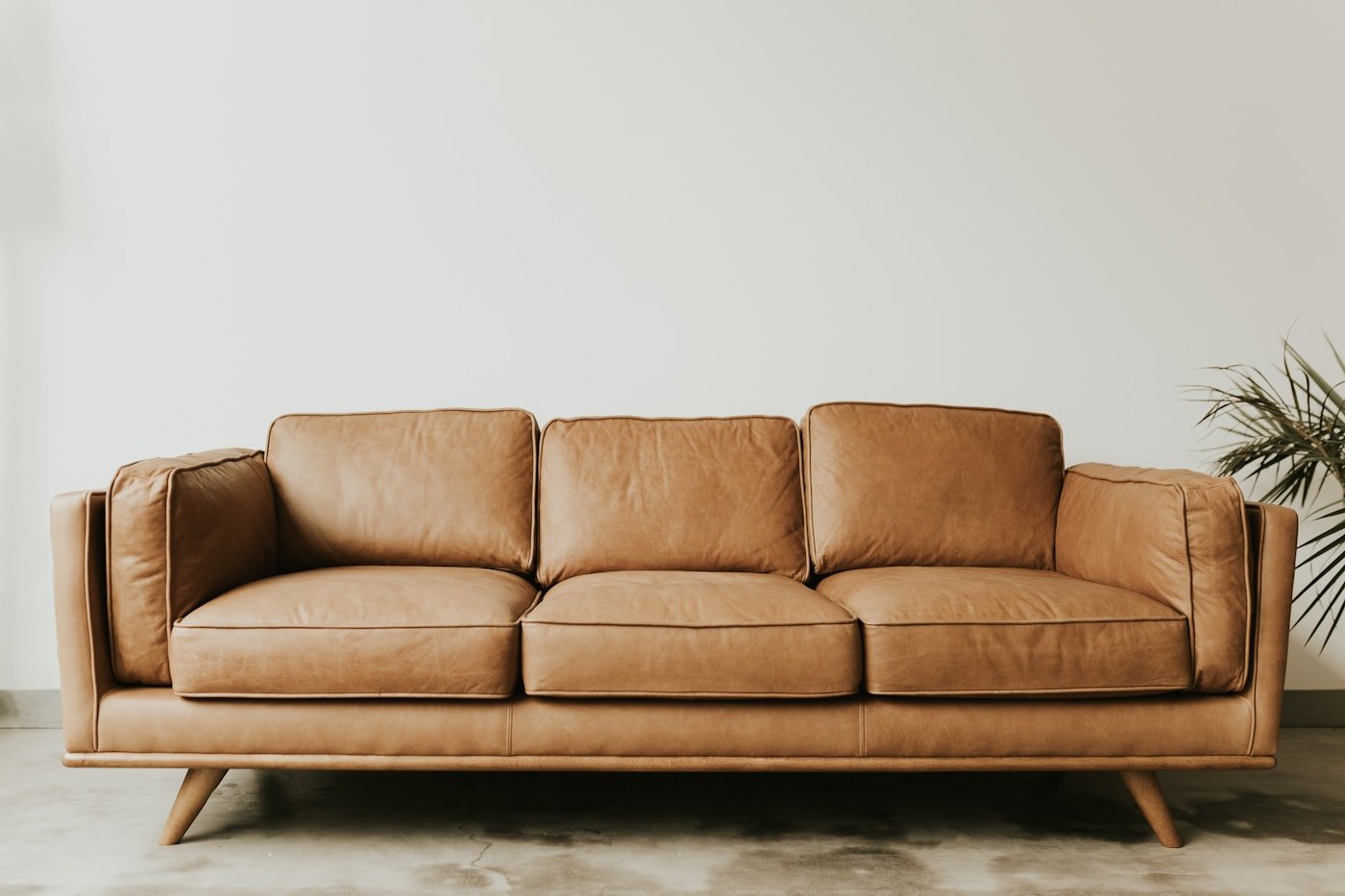
An upright chair with a supportive back can be useful for reading, conversation and getting up easily. A deep lounge chair invites relaxed sitting but may need a footstool and more floor space. A swivel chair changes direction in an open-plan room, although its turning clearance can be larger than its published width. Check the seat height, inside width, seat depth and back angle rather than judging comfort by the cushion softness alone.
Compare the chair height with the sofa. The seats do not need to be identical, but a large difference can make it awkward to move between them or share a coffee table. Sit for more than a moment if you can. Try the chair with your feet on the floor, your back supported and your arms resting naturally. If buying online, read the dimensions and returns policy before choosing a non-standard shape.
Choose upholstery for real life
- Use a hard-wearing, cleanable fabric where the chair is a daily family seat.
- Consider a removable cover if the chair will be near pets, children or food.
- Choose a texture that relates to the sofa without making every surface identical.
- Check how sunlight reaches the chair, especially beside a south- or west-facing window.
- Protect timber or delicate feet from damp cleaning and uneven floors.
Place the chair as part of a group
Angle a chair towards the sofa when conversation is the priority. Face it towards a window or bookcase when the room needs a separate reading position. A slim table and lamp can make an isolated chair useful, but the table should not narrow the main route. A rug can connect the chair to the sofa if its edges do not catch feet. Keep furniture away from radiator airflow and leave enough clearance for curtains to open.
Colour can do the connecting work. Pick up a shade from the rug, artwork, curtains or cushions, then vary the material or silhouette. Our living room furniture arrangement guide can help you test the group before you buy. A considered mismatch often looks more settled than a suite that fills every wall with the same shape.
Check delivery and long-term use
Measure the narrowest doorway, stair turn and hallway before placing an order. Confirm whether the legs arrive separately, whether the back can be removed and how the fabric should be cleaned. Keep the care instructions and inspect the chair after delivery. The best living room chair is supportive enough for the routine, scaled to the floor it occupies and easy enough to maintain that it stays in use.
Choose the seat that improves the room’s everyday rhythm. Comfort, access and proportion should lead; colour and style can then make the chair feel like it belongs.