
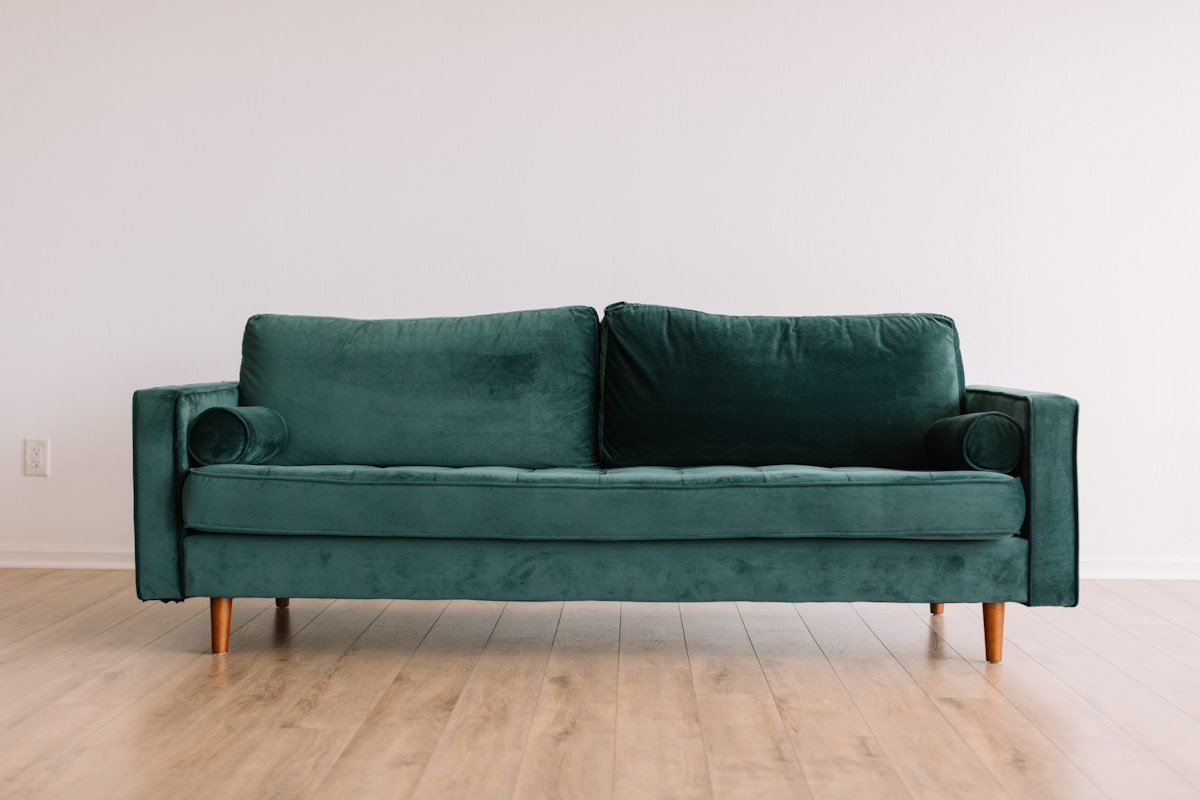
How to arrange living room furniture are the foundation of a thoughtful, well-planned space. This comprehensive guide brings together everything our editors have learned about how to arrange living room furniture, from layout and lighting to materials, finishes and budget-friendly upgrades, so you can make confident decisions and avoid the costly mistakes we see repeated in homes every year. Whether you are starting a full refurbishment or simply refreshing a tired room, the how to arrange living room furniture covered here will help you get the most from your space, your budget and your time.
How to arrange living room furniture: Why Furniture Arrangement Is the Most Important Design Decision
In most American homes, the living room is the room where the family relaxes, where guests are entertained, and where the daily routine unfolds. The arrangement of the furniture in this room has a disproportionate impact on how the room feels and functions. A well-arranged living room is comfortable, functional, and beautiful; a poorly arranged one is cramped, awkward, and frustrating.
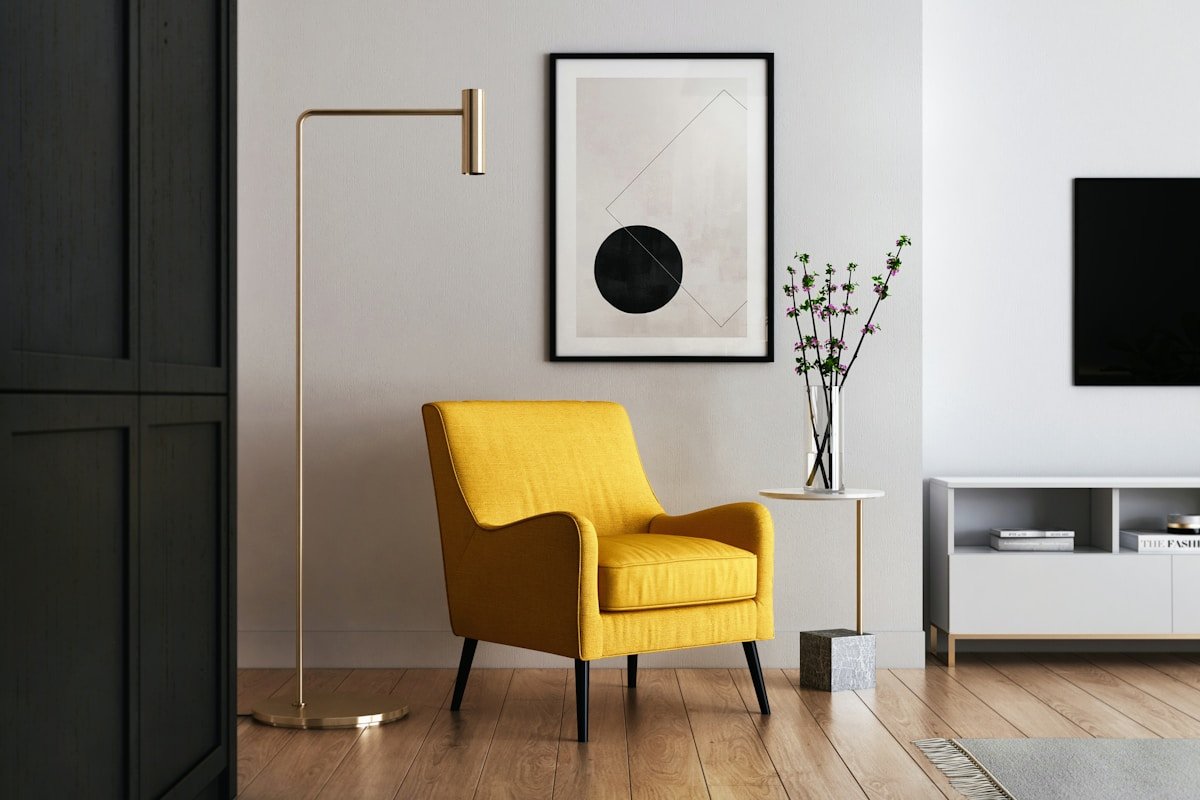
Table of Contents
- Why Furniture Arrangement Is the Most Important Design Decision
- 23 Living Room Furniture Arrangement Ideas
- How to Choose the Right Living Room Furniture Arrangement
- Principles of Living Room Furniture Arrangement
- Frequently Asked Questions
- Conclusion
- Related Articles You May Find Useful
- Further Reading and Trusted Sources
Table of Contents
The good news is that arranging living room furniture well is a skill anyone can learn, and the right arrangement can transform even the most awkwardly shaped room into a comfortable, inviting space.
This guide brings together 23 living room furniture arrangement ideas for American homes, from classic layouts to creative solutions for small or awkward rooms.
23 Living Room Furniture Arrangement Ideas
1. The Classic Conversation Layout
The classic conversation layout: two sofas facing each other, with a coffee table in the middle. The layout is ideal for large living rooms and for entertaining.
2. The Sofa and Two Chairs Layout
The sofa and two chairs layout: a sofa facing the focal point, with two accent chairs angled toward the sofa. The layout is ideal for medium-sized living rooms.
3. The L-Shaped Layout
The L-shaped layout: an L-shaped sectional sofa in the corner, with a coffee table in front. The layout is ideal for small to medium living rooms.
4. The U-Shaped Layout
The U-shaped layout: a sofa and two chairs arranged in a U shape, with a coffee table in the middle. The layout is ideal for large living rooms and for entertaining.
5. The Floating Furniture Layout
The floating furniture layout: the furniture arranged in the center of the room, with the walls left clear. The layout is ideal for large living rooms and for creating zones.
6. The Focal Point Layout
The focal point layout: the furniture arranged around a focal point, such as a fireplace, a television, or a large window. The layout is the most common and most effective.
7. The Symmetrical Layout
The symmetrical layout: the furniture arranged symmetrically around a central point, with matching pieces on either side. The layout is formal and balanced.
8. The Asymmetrical Layout
The asymmetrical layout: the furniture arranged without symmetry, with different pieces on either side. The layout is more casual and dynamic.
9. The Sectional Layout
The sectional layout: a sectional sofa as the main seating, with a coffee table and accent chairs. The layout is ideal for family rooms and media rooms.
10. The Two-Sofa Layout
The two-sofa layout: two sofas facing each other or arranged in an L shape, with a coffee table in the middle. The layout is ideal for large living rooms.
11. The Reading Nook Layout
The reading nook layout: a comfortable chair, a side table, and a floor lamp arranged in a corner of the living room. The layout creates a cozy destination.
12. The Media Room Layout
The media room layout: a large sectional or a sofa and chairs facing a large television, with the seating arranged for optimal viewing. The layout is ideal for media rooms.
13. The Open Plan Layout
The open plan layout: the living room furniture arranged to define the living room within a larger open plan space. The layout uses rugs, sofas, and lighting to create zones.
14. The Small Room Layout
The small room layout: a loveseat or small sofa, a small coffee table, and minimal additional furniture. The layout maximizes the sense of space.
15. The Long Room Layout
The long room layout: the furniture arranged to break up the length of the room, with two seating areas or a clear focal point. The layout makes a long room feel more balanced.
16. The Window-Focused Layout
The window-focused layout: the furniture arranged to take advantage of a large window or a view. The layout maximizes the natural light and the view.
17. The Fireplace-Focused Layout
The fireplace-focused layout: the furniture arranged around the fireplace, with the seating facing the fire. The layout is the most traditional and most cozy.
18. The TV-Focused Layout
The TV-focused layout: the furniture arranged to face the television, with the seating at the optimal distance for viewing. The layout is ideal for media rooms and family rooms.
19. The Angled Furniture Layout
The angled furniture layout: the furniture arranged at angles, rather than parallel to the walls. The layout is more dynamic and interesting.
20. The Back-to-Back Sofa Layout
The back-to-back sofa layout: two sofas placed back to back, with one facing the living room and one facing a dining area or another zone. The layout is ideal for open plan spaces.
21. The Bench Layout
The bench layout: a bench or a settee against one wall, with chairs and a coffee table in front. The layout provides extra seating without taking up much space.
22. The Window Seat Layout
The window seat layout: a window seat under a large window, with chairs and a coffee table in front. The layout takes advantage of the natural light and the view.
23. The Round Room Layout
The round room layout: the furniture arranged in a circular or curved pattern, with the focal point at the center. The layout is ideal for round or octagonal rooms.
How to Choose the Right Living Room Furniture Arrangement
The right living room furniture arrangement depends on three things: the size and shape of the room, the focal point, and how the room is used.
Consider the Room
The size and shape of the room should guide the arrangement. A long, narrow room requires a different arrangement than a square room. A room with multiple focal points requires a more complex arrangement.
Consider the Focal Point
The focal point of the room, whether a fireplace, a television, a large window, or a piece of art, should guide the arrangement. The furniture should be arranged to support and emphasize the focal point.
Consider the Use
The arrangement should support how the room is used. A room used for entertaining requires a conversation-focused arrangement. A room used for TV watching requires a TV-focused arrangement. A room used for both requires a more flexible arrangement.
Principles of Living Room Furniture Arrangement
The right living room furniture arrangement follows a few key principles.
Create a Focal Point
Every living room needs a focal point: a fireplace, a television, a large window, a piece of art, or an architectural feature. The furniture should be arranged to support and emphasize the focal point.
Allow for Traffic Flow
The arrangement should allow for easy traffic flow through the room. There should be clear pathways between the seating and the doors, with no obstacles in the way.
Consider the Scale
The furniture should be proportional to the room. A sofa that is too large will dominate; a coffee table that is too small will look lost.
Create Conversation Areas
The arrangement should create conversation areas, with the seating grouped to encourage face-to-face conversation.
Balance the Room
The arrangement should balance the room, with the visual weight distributed evenly. A large piece on one side should be balanced by another large piece on the other side.
Frequently Asked Questions
Q1. What is the best furniture arrangement for a small living room?
A loveseat or small sofa, a small coffee table, and minimal additional furniture is the best arrangement for a small living room. The arrangement maximizes the sense of space.
Q2. How do I arrange living room furniture around a TV?
Arrange the seating to face the TV, with the seating at the optimal distance for viewing. The optimal distance is approximately 1.5 to 2.5 times the diagonal size of the TV.
Q3. How do I arrange living room furniture around a fireplace?
Arrange the seating to face the fireplace, with the seating at a comfortable distance for warmth and conversation. The fireplace can be supplemented with a TV mounted above the mantel, if desired.
Q4. How far should the coffee table be from the sofa?
The coffee table should be 14 to 18 inches from the sofa, which is the optimal distance for reaching drinks and snacks without having to get up.
Conclusion
The right living room furniture arrangement can transform the way the room looks and feels. Take time to plan the layout around the focal point, allow for traffic flow, and consider the scale of the furniture, and remember that the most successful arrangements are the ones that support how the room is used while creating a comfortable, inviting atmosphere.
Related Articles You May Find Useful
Continue exploring the topic with these hand-picked guides from our editorial team.
- room painting ideas living room (UK)
- units for the living room (UK)
- living room colour ideas (UK)
- grey living room ideas (UK)
- live room colours (UK)
Further Reading and Trusted Sources
For more inspiration and expert advice, see the latest from Houzz — one of the largest home design platforms in the world.
For more inspiration and expert advice, see the latest from Architectural Digest — authoritative interiors and design journalism.

5 thoughts on “How to Arrange Living Room Furniture: 23 Ideas for American Homes”