Small Living Room Design are the foundation of a thoughtful, well-planned space. This comprehensive guide brings together everything our editors have learned about Small Living Room Design, from layout and lighting to materials, finishes and budget-friendly upgrades, so you can make confident decisions and avoid the costly mistakes we see repeated in homes every year. Whether you are starting a full refurbishment or simply refreshing a tired room, the Small Living Room Design covered here will help you get the most from your space, your budget and your time.
Small Living Room Design: Why Small Living Room Design Is the Most Important Skill in American Interior Design
In most American homes, the living room is the room where the family relaxes, where guests are entertained, and where the daily routine unfolds. In apartments, condos, and smaller homes, the living room is also often the smallest room, and the design choices have to work harder than in larger spaces. A well-designed small living room is calm, functional, and beautiful; a poorly designed one is cramped, cluttered, and frustrating.
Table of Contents
The good news is that small living room design is a skill that anyone can learn, and the right combination of layout, furniture, lighting, and color can transform a cramped space into a calm and inviting room.
This guide brings together 23 small living room design ideas for American homes, from layout to furniture to lighting to the small details that make a small room feel larger.
23 Small Living Room Design Ideas
1. Plan the Layout First
The single most important step in small living room design is planning the layout. The furniture should be arranged to maximize the sense of space, with the main seating facing the focal point (the fireplace, the television, or the window) and the traffic flow clear.
2. Choose a Compact Sofa
A compact sofa, ideally a 2-seater or a small 3-seater, leaves more floor space than a full-size sofa. The sofa should have clean lines and raised legs to maximize the sense of space.
3. Use a Loveseat
A loveseat, which is essentially a small 2-seater, is the most space-efficient seating option. The loveseat can be paired with an accent chair for additional seating.
4. Choose a Round Coffee Table
A round coffee table, in a small living room, leaves more floor space than a rectangular table of the same surface area. The round shape also softens the lines of the room.
5. Use a Nesting Set of Side Tables
A nested set of side tables, which slot together and can be pulled apart when needed, is a brilliant solution for small living rooms.
6. Choose a Slim Media Unit
A slim media unit, ideally less than 16 inches deep, holds the television and the equipment without dominating the room. The unit can be wall-mounted to free up floor space.
7. Wall-Mount the TV
A wall-mounted TV, with the equipment stored in a separate unit or on a wall-mounted shelf, frees up the surface below.
8. Use Light Colors
Light colors, on the walls, the ceiling, and the major furniture pieces, make a small living room feel more spacious. The colors reflect light and create a sense of openness.
9. Use a Monochromatic Color Palette
A monochromatic color palette, in different shades of the same color, makes a small living room feel more spacious. The lack of contrast at the walls creates a sense of continuity.
10. Hang Curtains from the Ceiling
Hanging curtains from a ceiling-mounted rod, rather than a wall-mounted one, makes the window and the room feel larger.
11. Use a Large Mirror
A large mirror, on one wall of the small living room, reflects light back into the room and makes the space feel twice the size. The mirror should be sized to the wall.
12. Layer the Lighting
A layered lighting scheme, with a main ceiling light, table lamps, floor lamps, and accent lighting, provides flexible illumination. The layered lighting eliminates dark corners that make a room feel smaller.
13. Use Multi-Functional Furniture
Multi-functional furniture, such as a storage coffee table, a sofa bed, a console with shelves, or a media unit with drawers, makes the most of every piece.
14. Choose Leggy Furniture
Leggy furniture, with raised legs that allow the floor to be seen underneath, makes a small living room feel more spacious. The raised legs create a sense of openness.
15. Use a Glass or Acrylic Coffee Table
A glass or acrylic coffee table, in a small living room, has a light, almost invisible feel. The glass or acrylic reflects light and does not visually weigh down the room.
16. Keep the Floor Clear
Keeping the floor clear, of clutter, rugs that are too small, and furniture that is too large, makes a small living room feel more spacious. The floor is the largest surface in the room.
17. Use a Large Rug
A large rug, ideally 8 by 10 feet or larger, anchors the seating area and makes the room feel more pulled together. A rug that is too small makes the room feel smaller.
18. Use Vertical Space
Use vertical space, with tall bookcases, wall-mounted shelves, and floor-to-ceiling curtains, to draw the eye up and make the room feel taller.
19. Avoid Too Many Accessories
Avoid too many accessories, which can clutter a small room. Choose a few well-chosen pieces that reflect your personal style.
20. Use a Statement Piece
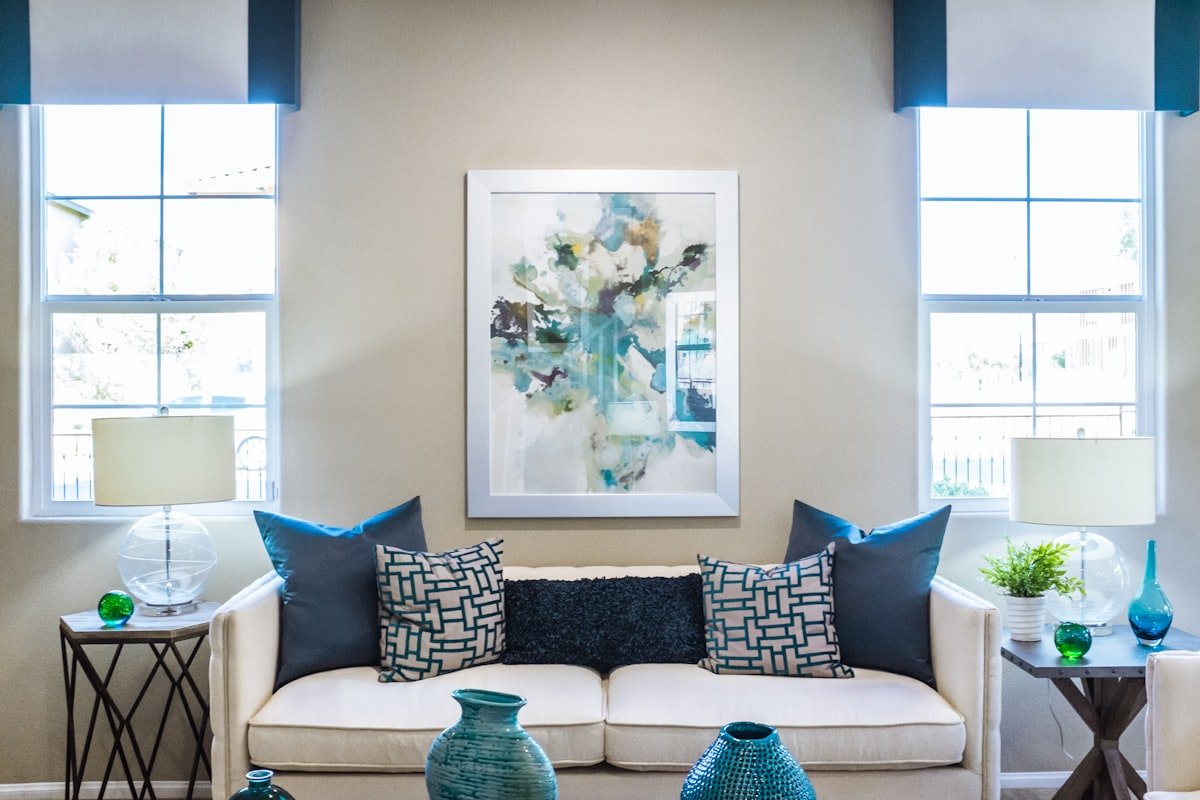
A single statement piece, whether a large piece of art, a statement mirror, or a dramatic light fixture, can be the focal point of a small living room. The statement piece adds visual interest without cluttering the room.
21. Create Zones
Create zones in the small living room, with a seating area, a media area, and a reading nook, using furniture placement and rugs. The zones make the room feel more organized and intentional.
22. Use Floating Furniture
Floating furniture, such as wall-mounted shelves, a wall-mounted TV, and floating nightstands (in a bedroom), makes a small room feel more spacious by freeing up the floor.
23. Edit Ruthlessly
Edit ruthlessly. In a small living room, every piece of furniture and every accessory should earn its place. If a piece does not serve a function or add beauty, it should be removed.
Principles of Small Living Room Design
The right small living room design follows a few key principles.
Light and Color
Light colors on the walls, ceiling, and major furniture pieces make a small room feel more spacious. The colors reflect light and create a sense of openness.
Proportion
The furniture should be proportional to the room. A sofa that is too large will dominate; a coffee table that is too small will look lost.
Multi-Function
In a small living room, every piece should ideally do more than one job. A storage coffee table, a sofa bed, a console with shelves: multi-functional pieces are key.
Vertical Space
Use vertical space, with tall bookcases, wall-mounted shelves, and floor-to-ceiling curtains, to draw the eye up and make the room feel taller.
Editing
Edit ruthlessly. In a small living room, every piece should earn its place.
Frequently Asked Questions
Q1. What is the best furniture for a small living room?
A compact sofa, a loveseat, a round coffee table, a slim media unit, and a nested set of side tables are the best furniture for a small living room. The furniture should be proportional to the room and multi-functional where possible.
Q2. How do I make a small living room feel bigger?
Use light colors, a large mirror, a layered lighting scheme, multi-functional furniture, leggy furniture, a glass or acrylic coffee table, and a large rug. Edit ruthlessly and use vertical space to draw the eye up.
Q3. What is the best paint color for a small living room?
Soft, light colors are the best for a small living room. White, cream, soft gray, soft green, and soft blue are all popular choices. The color should reflect light and create a sense of openness.
Q4. Should I have a TV in a small living room?
Yes, but choose a wall-mounted TV or a slim media unit to maximize floor space. The equipment should be stored out of sight, ideally in a closed unit.
Conclusion
Small living room design is one of the most rewarding skills in American interior design. The right combination of layout, furniture, lighting, and color can transform a cramped space into a calm and inviting room. Take time to plan the layout, choose the right pieces, and edit ruthlessly, and remember that the most successful small living rooms are the ones that feel personal, functional, and spacious.
Related Articles You May Find Useful
Continue exploring the topic with these hand-picked guides from our editorial team.
- green decorated bedrooms (UK)
- kids bedroom furniture (UK)
- green bedroom ideas (UK)
- decorating green bedroom (UK)
- green bedroom (UK)
Further Reading and Trusted Sources
For more inspiration and expert advice, see the latest from Houzz — one of the largest home design platforms in the world.
For more inspiration and expert advice, see the latest from Architectural Digest — authoritative interiors and design journalism.