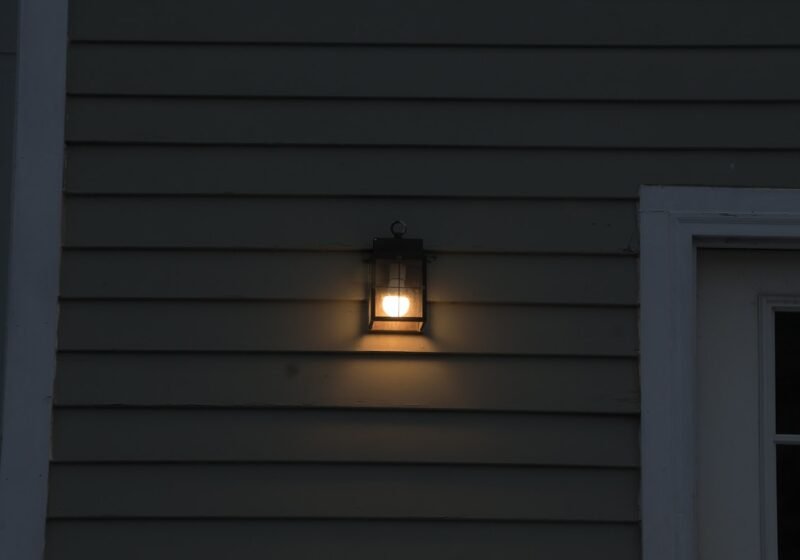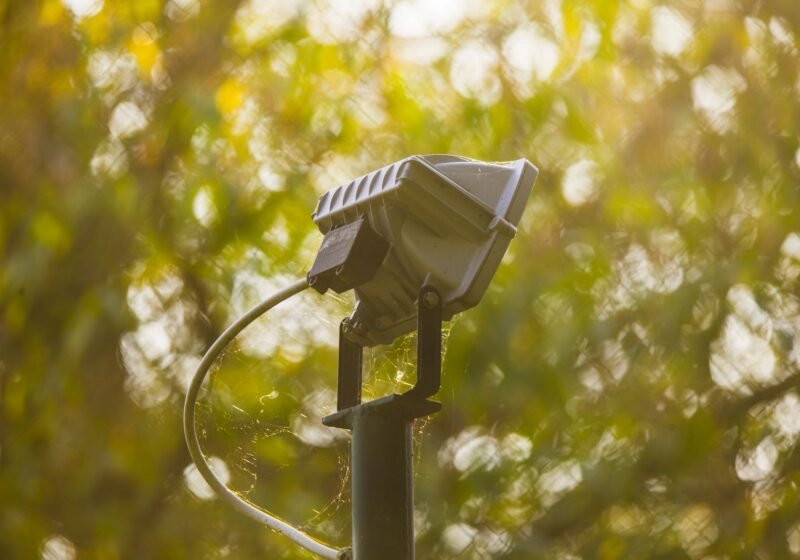
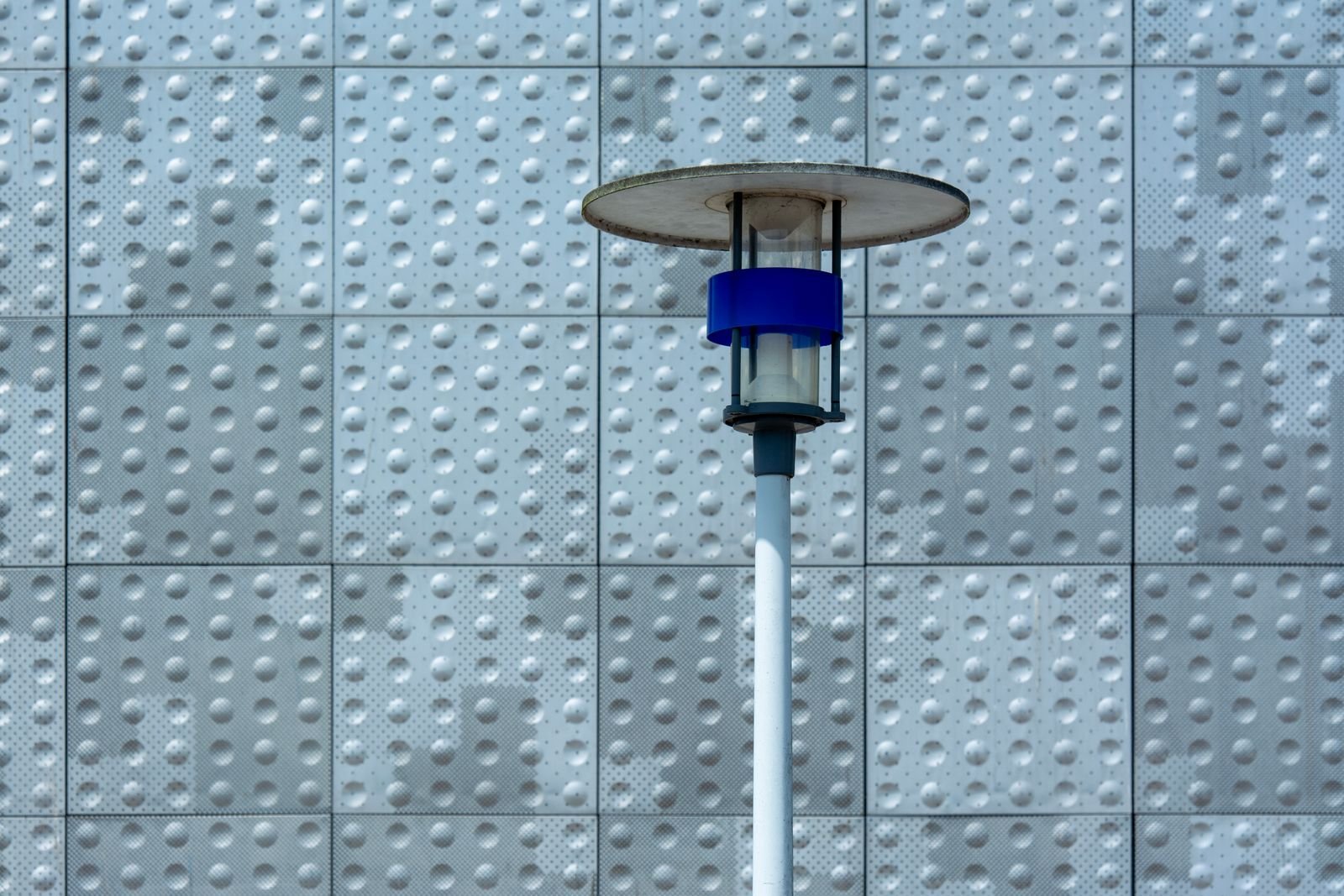
Solar garden wall lights outdoor work well when the panel receives several hours of useful daylight and the light is matched to the job. Use a warm, low-output fitting for ambience, a motion-sensor model for a gate or steps, and check the IP rating and battery details before assuming “weatherproof” means suitable for every wall.
Solar garden wall lights outdoor: Are they right for the job?
Solar fittings are ideal where running a cable is awkward: garden walls, sheds, side gates, patios and paths. They are less predictable under a north-facing canopy, beneath a deep overhang or beside a tall evergreen. A solar panel can charge in overcast daylight, but winter days are shorter and a shaded panel stores less energy, so expect shorter run times.
Decide whether the light is for finding a key, marking a step, welcoming guests or illuminating a seating area. A small wall lantern is not a security floodlight. For a broader garden scheme, combine it with the layered approach in our guide to outdoor lighting ideas.
Specifications worth comparing
IP rating
The first digit of an IP code relates to solids and the second to water. IP44 protects against splashing water; IP65 adds dust protection and resistance to water jets. The rating applies to the complete fitting as tested, not to an improvised cable joint or a hole drilled through the wall. Choose a product whose instructions explicitly permit outdoor wall use and expose no charging port to rain.
Lumens, colour and sensors
Compare lumens, not just watts. Around 20 to 80 lumens can be enough for a gentle entrance glow; a motion-sensor security fitting may offer several hundred lumens but can feel harsh on a small patio. Warm white around 2700K to 3000K is comfortable around planting and brick. PIR sensors save battery by lighting only when movement is detected, while dusk sensors control the start time. A current product such as the Solar Centre’s solar wall light range shows the kind of runtime, panel and automatic operation information worth checking.
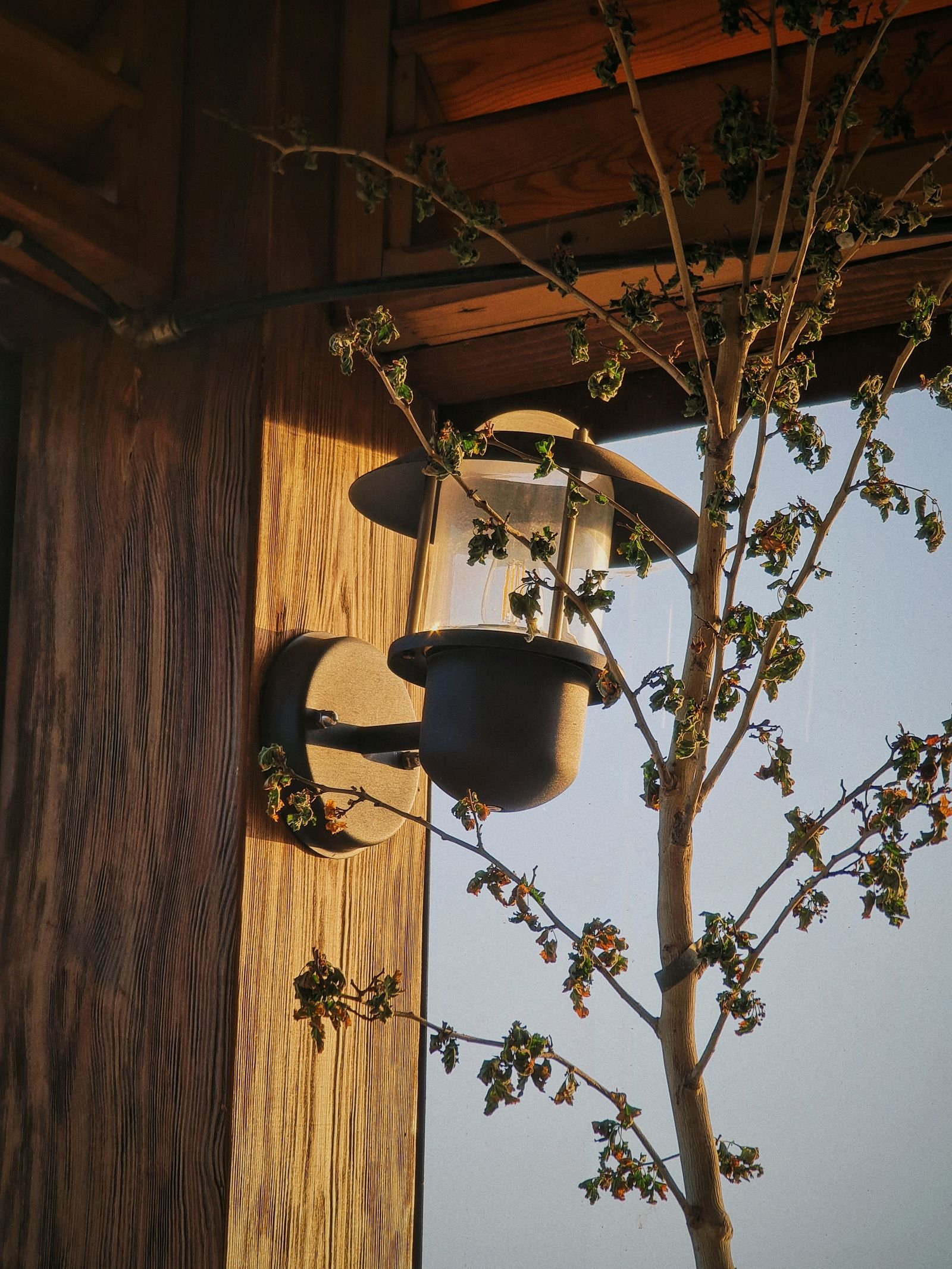
Position the panel for winter daylight
Look at the wall at midday and again in late afternoon. Avoid shade from eaves, fences, trees and neighbouring buildings. An integrated panel restricts placement; a separate-panel model can put the light on a shaded wall while the panel faces a brighter aspect. Keep the panel clean, leave space around it and do not aim a security fitting into a neighbour’s window.
Mount high enough to discourage tampering but low enough to service the battery and clean the panel safely. On a brick wall, use appropriate plugs and seal any penetration without blocking drainage holes. Check the maker’s fixing template before drilling, particularly if the wall contains services or is part of a rendered insulated system.
Installation and electrical safety
A self-contained low-voltage solar fitting usually avoids a mains connection, but drilling and working at height still need care. Follow the installation instructions, use the supplied fixings, and do not modify the battery or bypass a charging circuit. If a “solar” system also has a mains or USB charging lead permanently connected outdoors, treat that part as an electrical installation. Electrical Safety First’s guidance is a sensible safety reference; use a registered electrician for new mains wiring.
What to expect in a UK winter
Clean dust and algae from the panel with a soft damp cloth, check seals and remove leaves that shade it. A cold battery can deliver less runtime. If the maker permits it, replace only with the specified rechargeable chemistry and capacity; never fit an ordinary disposable battery to a charging circuit. Turn down the mode or use PIR operation when long winter runtimes matter more than constant light.
Price and useful features
Simple solar wall lights can cost around £15 to £50, while brighter aluminium fittings with replaceable batteries, separate panels or better sensors often cost £60 to £150. Look for a stated battery type, charging time, runtime, lumen output, IP rating and warranty. A cheap fitting with no replacement battery can cost more to replace than a better one after a few seasons.
Frequently Asked Questions
Q1. Do solar garden wall lights work in winter?
They can, but shorter days, cloud and shade reduce the stored charge. Position the panel in open daylight and use a lower or motion-activated mode for more reliable winter runtime.
Q2. What IP rating should an outdoor solar wall light have?
IP44 can suit sheltered splash exposure, while IP65 gives stronger dust and water-jet protection. Always check the manufacturer’s stated installation location as well as the code.
Q3. How many lumens do I need for a garden wall light?
Around 20 to 80 lumens is often enough for gentle orientation or ambience. Choose more for a step or security task, but avoid glare and aim the beam carefully.
Q4. Can I leave solar wall lights outside all year?
Outdoor-rated fittings are designed for exposure, but clean the panel, inspect seals and follow the maker’s battery and winter-storage instructions. Bring in removable units during severe weather if advised.
Final Thoughts
Choose solar garden wall lights outdoor by purpose, panel position and weather rating, not by the brightest photograph on the box. A modest warm light in the right place will be more useful than a powerful fitting that runs flat before midnight.