
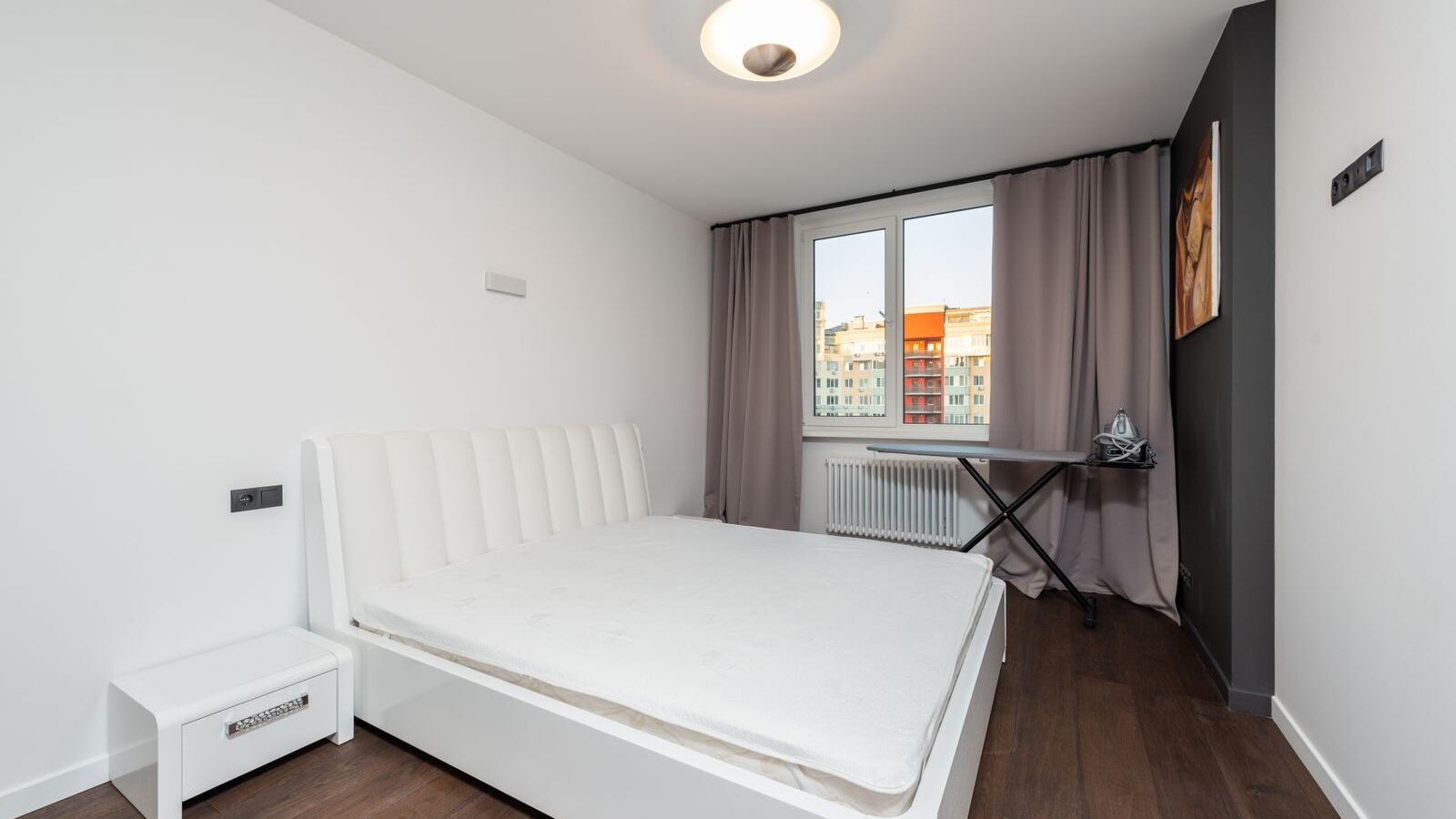
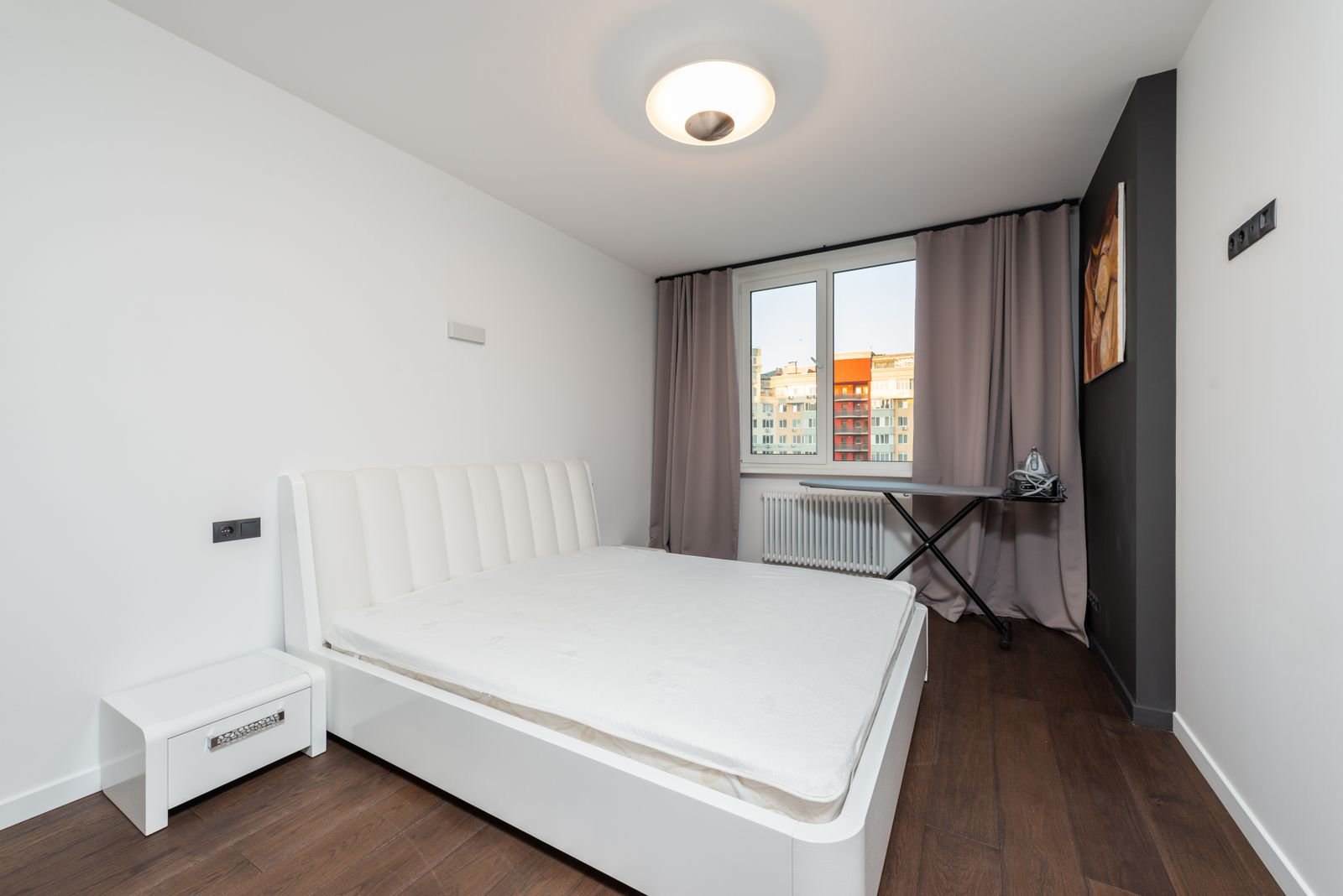
White skirting board is the safest all-round choice for most UK rooms: it protects the wall base, hides the floor joint and gives flooring a clean edge. The important decision is not simply “white or not”; choose the right profile, height, material and finish for the room before ordering.
What white skirting board does
Skirting is a working trim, not just decoration. It takes knocks from vacuum cleaners and shoes, covers the wall-to-floor junction and can conceal the expansion gap required by timber or laminate floors. A crisp white board also gives a darker wall colour a deliberate stopping point, while the same white as the architrave makes a small hallway feel less visually busy.
Do not assume every “white” matches. Brilliant white, soft white and factory-painted finishes can sit noticeably differently beside a door, radiator or window sill. Take a sample home and view it in daylight before buying a whole house of lengths.
Choose the material and finish
MDF or timber?
Moisture-resistant MDF is usually the practical choice for bedrooms, lounges and hallways. It is stable, arrives in consistent lengths and machines cleanly at internal corners. It is not waterproof: seal cut ends and use a suitable product in kitchens, utility rooms and bathrooms. Timber is more forgiving if you need to sand a ding out, and it is the better visual match when existing architraves or floors are solid wood, but knots and movement need more preparation.
Check the board thickness as well as height. A common factory-made board is 18mm thick, while taller or heritage-style boards may be 25mm. That difference affects architrave alignment, radiator pipes and the amount of floor expansion gap covered. Retail ranges from Wickes white skirting boards show how much profile and size vary under the same colour name.
Primed or fully finished?
Pre-primed board still needs a compatible undercoat and topcoat, especially on cut ends. Fully finished board saves painting time but makes damage and filled nail holes more visible. If you want a durable satinwood look, buy primed board, lightly denib it, fill fixings and apply two thin coats rather than one heavy coat. Follow the paint maker’s recoat time; rushing is how brush marks become trapped.
Choose the profile and height
For modern rooms
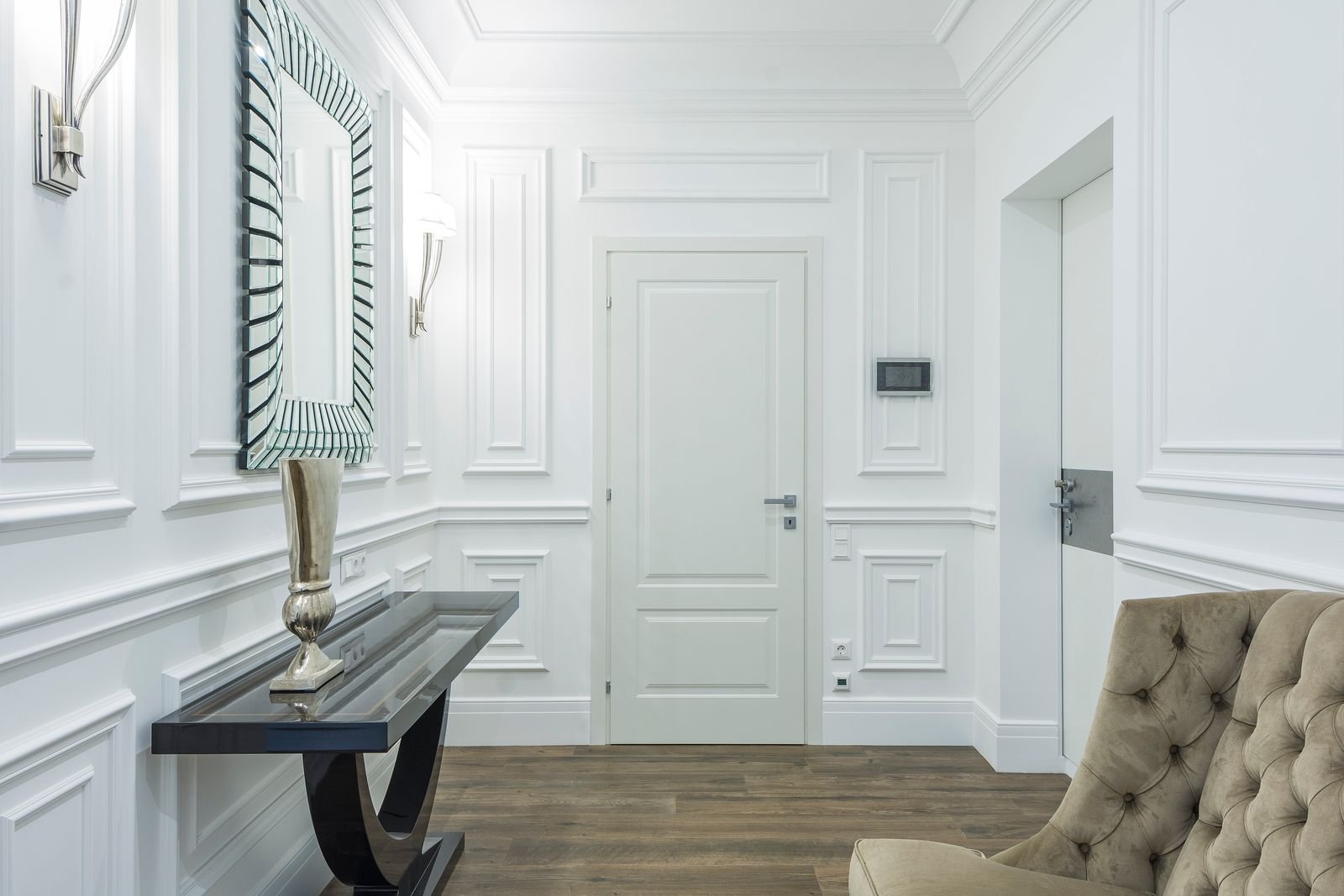
Square edge, pencil round, chamfered and single-groove boards suit contemporary rooms because their shadows are restrained. A 94mm or 119mm board is easy to live with in a typical ceiling height. A taller 144mm board can look intentional in an open-plan room, but check furniture clearances and the visual weight against a low ceiling.
For a second view of how colour, height and profile are sold together, compare the Howdens white skirting range rather than judging a board from a single room photograph.
For period rooms
Ogee, torus and deeper moulded profiles suit Victorian, Edwardian and cottage interiors. Matching the original profile is more convincing than choosing the most ornate board available. Oak & Nook’s guides to ogee skirting and pine skirting board are useful when you are replacing only one damaged wall.
Measure and budget before ordering
Measure each wall along the floor, not just the room’s rough perimeter. Subtract door openings, add 10% for mitres, mistakes and short offcuts, then round up to the supplier’s available lengths. A 4.2m length can reduce joins in a long room but may need two people and a safe route through the house. Budget for adhesive, grab screws or lost-head nails, caulk, filler, primer and topcoat as well as the board. Compare the delivered price: long lengths can make transport more expensive than the board itself.
Fit and paint without obvious joins
Find studs or solid fixing points, mark pipes and cables, and dry-fit every length before applying adhesive. Cope internal corners when the profile allows it; a coped joint stays neat when a slightly uneven wall moves. Use a mitre only where it is appropriate, such as external corners, and seal end grain on MDF. Leave a small, neat gap at the floor where the floor finish needs to move, then caulk the top edge after the board is secure. For a smooth painted result, the advice in our MDF primer guide is more useful than simply adding extra coats.
Frequently Asked Questions
Q1. Is white skirting board still fashionable?
Yes. White skirting remains useful because it is easy to coordinate, reflects light and creates a clean boundary. The profile and sheen determine whether it feels modern or traditional.
Q2. What is the best height for white skirting board?
For many UK rooms, 94mm or 119mm is a proportionate starting point. Choose taller board for higher ceilings or a period look, but check door architraves and furniture clearances first.
Q3. Can white MDF skirting be used in a bathroom?
Moisture-resistant MDF can work in a well-ventilated bathroom if cut ends are sealed and the board is kept away from standing water. It is not a substitute for waterproof trim in wet zones.
Q4. Should skirting match the doors?
Matching the colour and sheen usually creates the calmest result, but the profile does not have to be identical if the transition is deliberate and the proportions are similar.
Final Thoughts
Buy white skirting board as part of the room’s whole trim scheme. A sample, an accurate wall-by-wall measure and a sensible profile will do more for the finished room than choosing the tallest or cheapest board.

1 thought on “White Skirting Board: How to Choose the Right Profile, Height and Finish”