
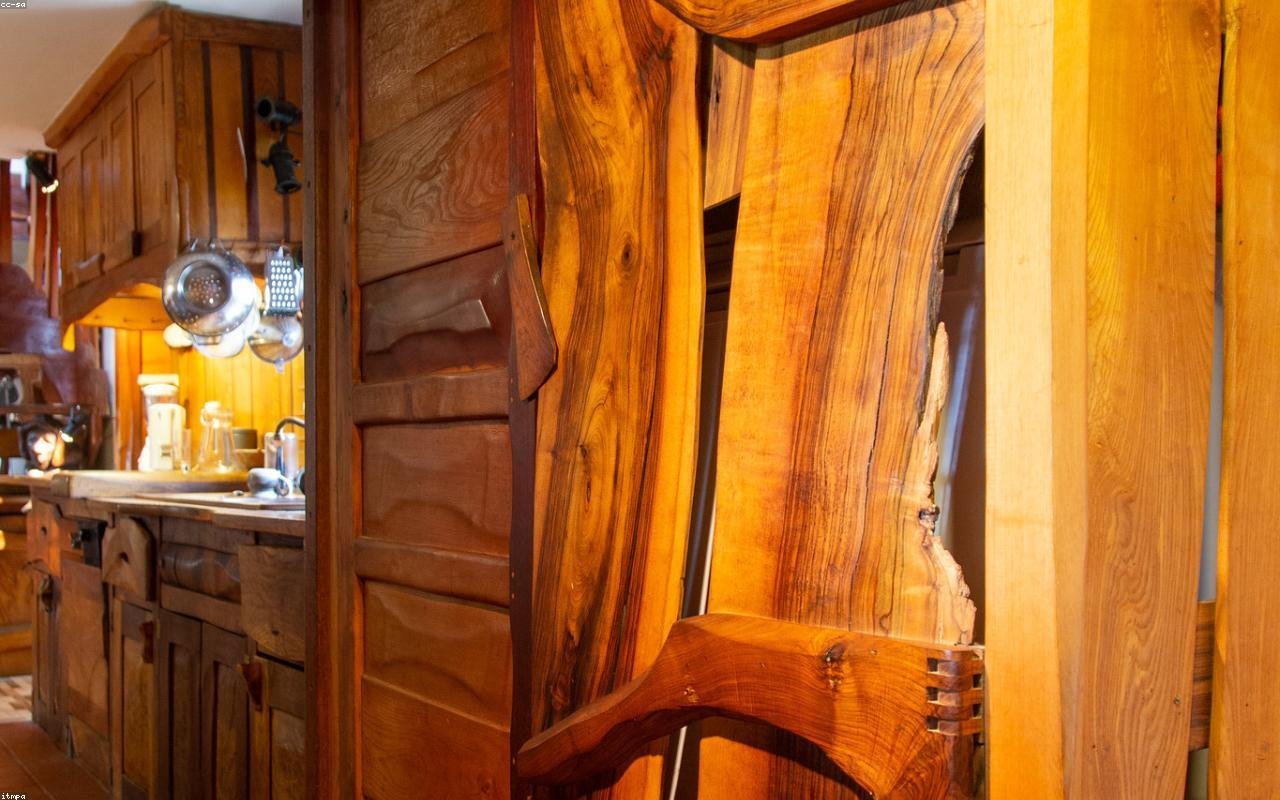
Pine skirting board brings real timber grain and can be repaired more readily than a damaged painted surface. It also moves with moisture, contains knots and may need more preparation than a primed MDF profile.
Survey the walls and floor before buying lengths. Note outside corners, door linings, radiator pipes, uneven plaster and the finished floor level, then decide whether the board will be painted, stained or left clear.
Choose a profile and grade
A simple square edge suits modern rooms, while torus, ogee or chamfered profiles change the shadow line. Look for straight, sound lengths with manageable knots and decide whether joins will be hidden on long walls or placed at corners.
Prepare timber before fixing
Store the boards flat in the room for the period recommended by the supplier, keep them dry and inspect both faces. Ease sharp edges, fill open knots when painting and seal end grain before it sits against a damp-prone wall or floor.
Work around uneven walls
Do not force long timber into a bow and expect adhesive to hold it forever. Find high spots, use appropriate packers or fixings and scribe the bottom edge where the floor rises. A consistent top line usually looks better than chasing every floor variation.
Match the finish to the room
Paint gives the easiest future touch-up, while oil or varnish keeps the grain visible but needs careful surface preparation. Test the chosen colour and sheen beside the floor, doors and architrave before completing the whole room.
Measure, position and prepare
Measure each wall separately and add waste for mitres, scribed ends and damaged sections. Mark the position of pipes and cables, locate studs or masonry, and keep the bottom edge clear of a floor that may still need to move or be cleaned.
- Buy a little extra for knots, mitres and future repairs.
- Acclimatise timber in a dry room and keep it supported.
- Use fixings suited to masonry, plasterboard or timber studs.
- Seal cut ends and prime all faces required by the finish system.
- Check for damp before covering a wall or floor junction.
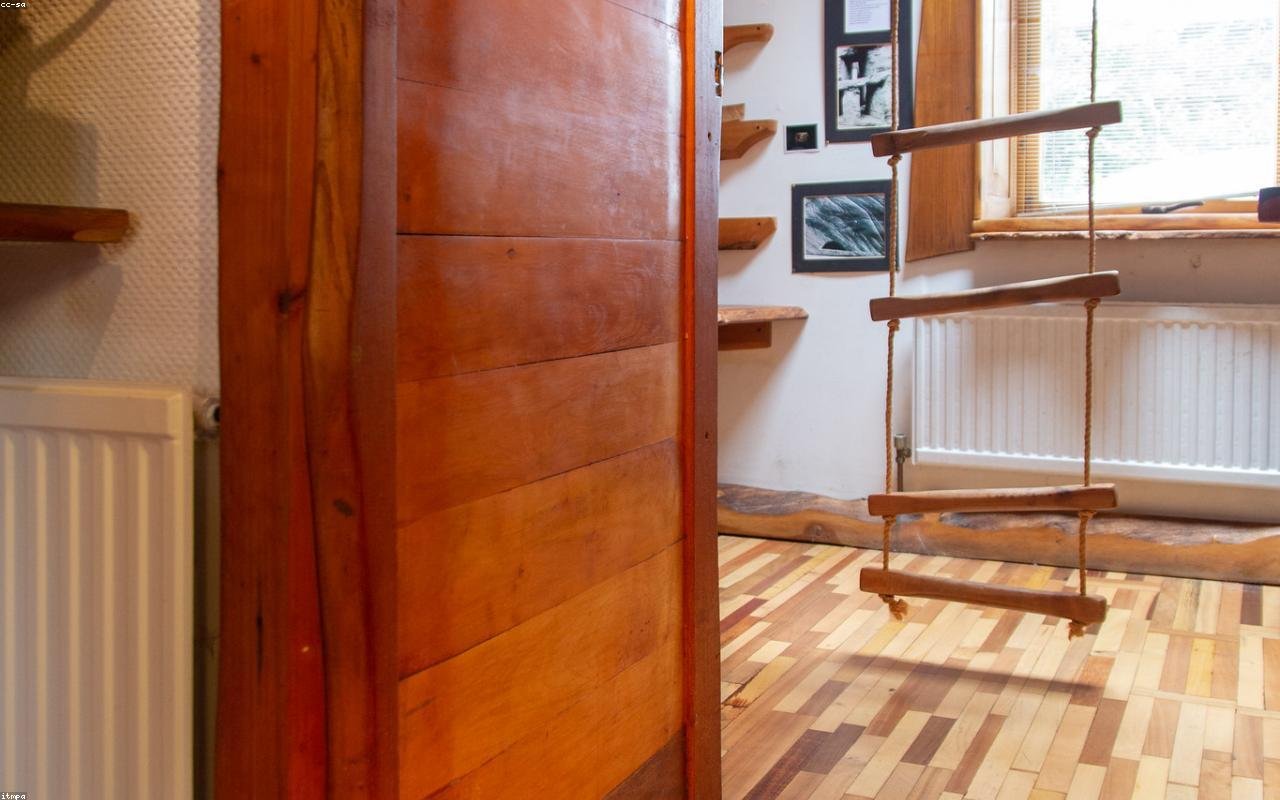
Use and maintain it well
Dust with a soft brush and wipe painted timber with a lightly damp cloth. Repair chips before moisture reaches the grain, keep a note of the paint or stain used and inspect joints after a heating season when movement is most visible.
Common mistakes to avoid
- Buying by total room perimeter without allowing for corners and waste.
- Fixing green, damp or twisted timber straight from a cold delivery.
- Nailing through visible faces without planning the repair.
- Painting over knots or resin without suitable preparation.
- Using skirting to hide an active damp problem.
Frequently Asked Questions
Q1. Is pine skirting board better than MDF?
Neither is always better. Pine offers natural grain and can be repaired, while MDF is stable and uniform. Choose for moisture, profile, finish, movement and the room’s workload.
Q2. Should pine skirting be acclimatised?
Yes, follow the supplier’s guidance and keep it flat in a dry room. This gives the timber a chance to adjust before it is cut and fixed.
Q3. How do I paint pine skirting?
Prepare the surface, deal with knots or resin, prime as required by the paint system and apply thin finish coats. Test the sequence on an offcut first.
Q4. Can skirting cover damp?
It should not. Find and fix the moisture source first; covering damp can damage the timber and hide a problem in the wall or floor.
Further reading
our white skirting-board guide, torus skirting-board advice, Skirting World profile and material information, our MDF painting guide.
Final Thoughts
Pine skirting looks considered when the timber is dry, the profile suits the room and the joints are planned before fixing. Measure each wall, prepare the grain and leave enough access to maintain the floor edge.

2 thoughts on “Pine Skirting Board: Buying, Preparing and Fitting Advice”