
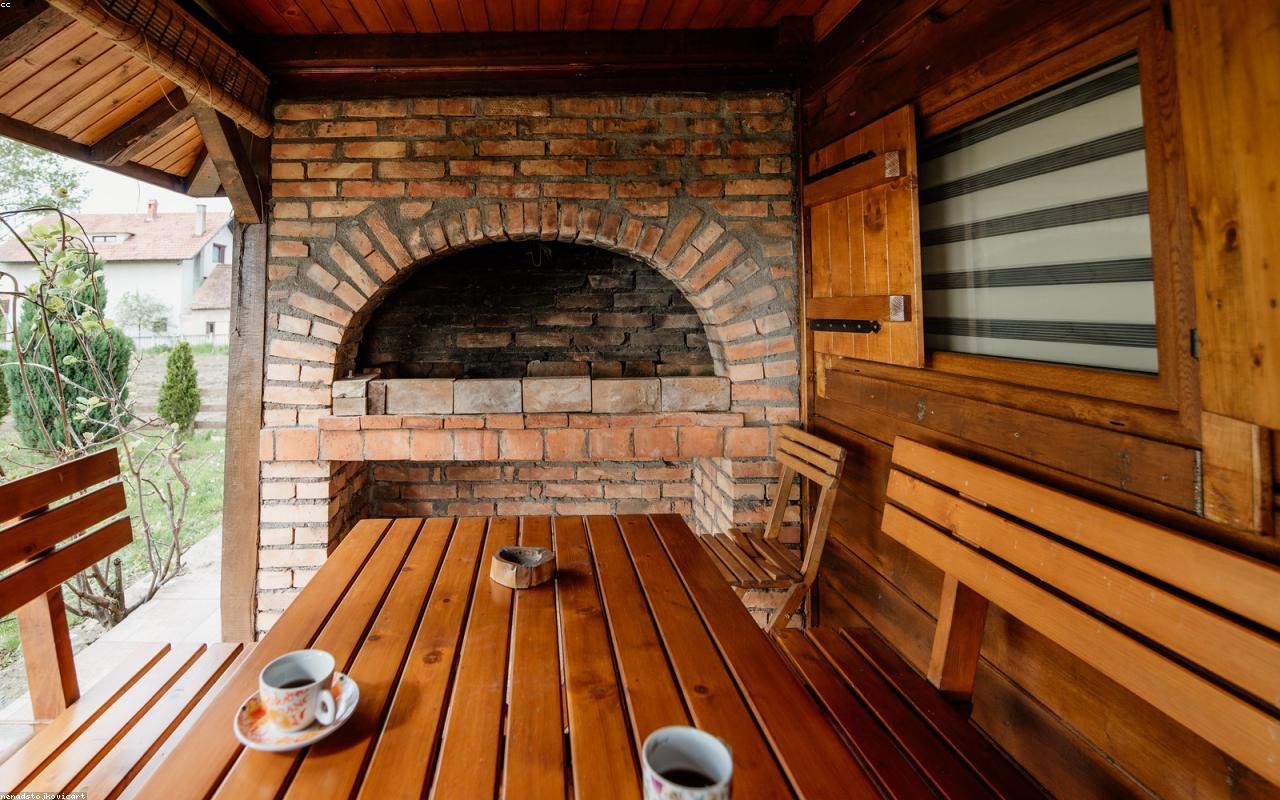
A rugged dining table should tolerate ordinary life rather than merely look distressed in a photograph. Meals, homework, hot dishes, spills, chair movement and daily cleaning all test the top, edge, joints and finish.
Start with the room and the people using it. Measure the table at its largest size, check circulation around every chair and compare materials by the marks they accept, the care they need and whether damage can be repaired instead of hidden.
Compare materials honestly
Solid timber can be repaired and refinished but moves with humidity. Veneer gives a real-wood surface with a stable substrate, laminate is practical for heavy use and stone or ceramic can resist heat while adding weight and edge-care considerations.
Size the table for movement
Leave enough space to pull chairs back and walk behind them. Extensions are useful only when the room can accept the larger footprint, and a heavy base can make a compact table harder to live with than its dimensions suggest.
Check construction and stability
Look beneath the top for the frame, fixings and expansion details. Sit at each position, push gently from the corners and check that the base does not rock or catch knees. A “rustic” uneven edge should not become a hazard.
Plan the finish and repairs
Ask how the surface responds to hot pans, water rings, crayons and cleaning products. Keep the care sheet and finish code, use coasters where sensible and accept that a durable table may develop a useful patina rather than staying pristine.
Measure, position and prepare
Measure the room, doorways and route from delivery to final position. Mark the tabletop, chair pull-back and service path on the floor, then record extension leaves, base footprint, knee clearance and the location of radiators or doors.
- Test the table at its full everyday and extended size.
- Check stability, edge treatment and the base against knees.
- Match cleaner and heat protection to the actual finish.
- Use felt or suitable protectors under chair feet.
- Keep heavy furniture clear of damp walls and uneven floors.
Use and maintain it well
Wipe spills promptly, dust with a soft cloth and follow the maker’s instructions for oil, wax, laminate or stone. Tighten fixings when needed, lift rather than drag the table and repair a damaged finish before moisture enters the top or edge.
Common mistakes to avoid
- Confusing a distressed appearance with structural durability.
- Buying for the closed size and forgetting extension leaves.
- Ignoring knee room and chair clearance.
- Using a cleaner or hot pan protection unsuitable for the finish.
- Dragging a heavy table across a floor or lifting it by a weak edge.
Frequently Asked Questions
Q1. What makes a dining table rugged?
Durability comes from the whole design: stable construction, suitable material, a repairable or resilient finish, protected edges and a size that works without constant knocks.
Q2. Is solid wood the most durable table material?
It can be durable and repairable, but it moves and needs care. Veneer, laminate, stone and ceramic each have different strengths and failure modes.
Q3. How much space should surround a dining table?
Leave room to pull out chairs and walk behind them. Mark the actual footprint with chairs in place rather than relying on the tabletop dimensions alone.
Q4. How do I protect a dining table from hot dishes?
Follow the surface manufacturer’s instructions and use suitable trivets or mats. Never assume a tough-looking finish is heat-proof.
Further reading
our dining-table buying guide, dining-rug sizing advice, furniture-arrangement guidance, GOV.UK furniture and furnishings safety information.
Final Thoughts
A rugged dining table is one that fits the room, stays stable and can cope with honest daily use. Compare the material and finish as carefully as the style, then give the table enough space to work.



2 thoughts on “Rugged Dining Table: How to Choose a Durable Table for Everyday Use”