Quick answer
Choose living room oak furniture by the job it must do and the space it leaves around that job. Measure the sofa, screen, walkways and storage wall first, then select one or two oak anchors and balance their grain with upholstery, paint, rugs and light.
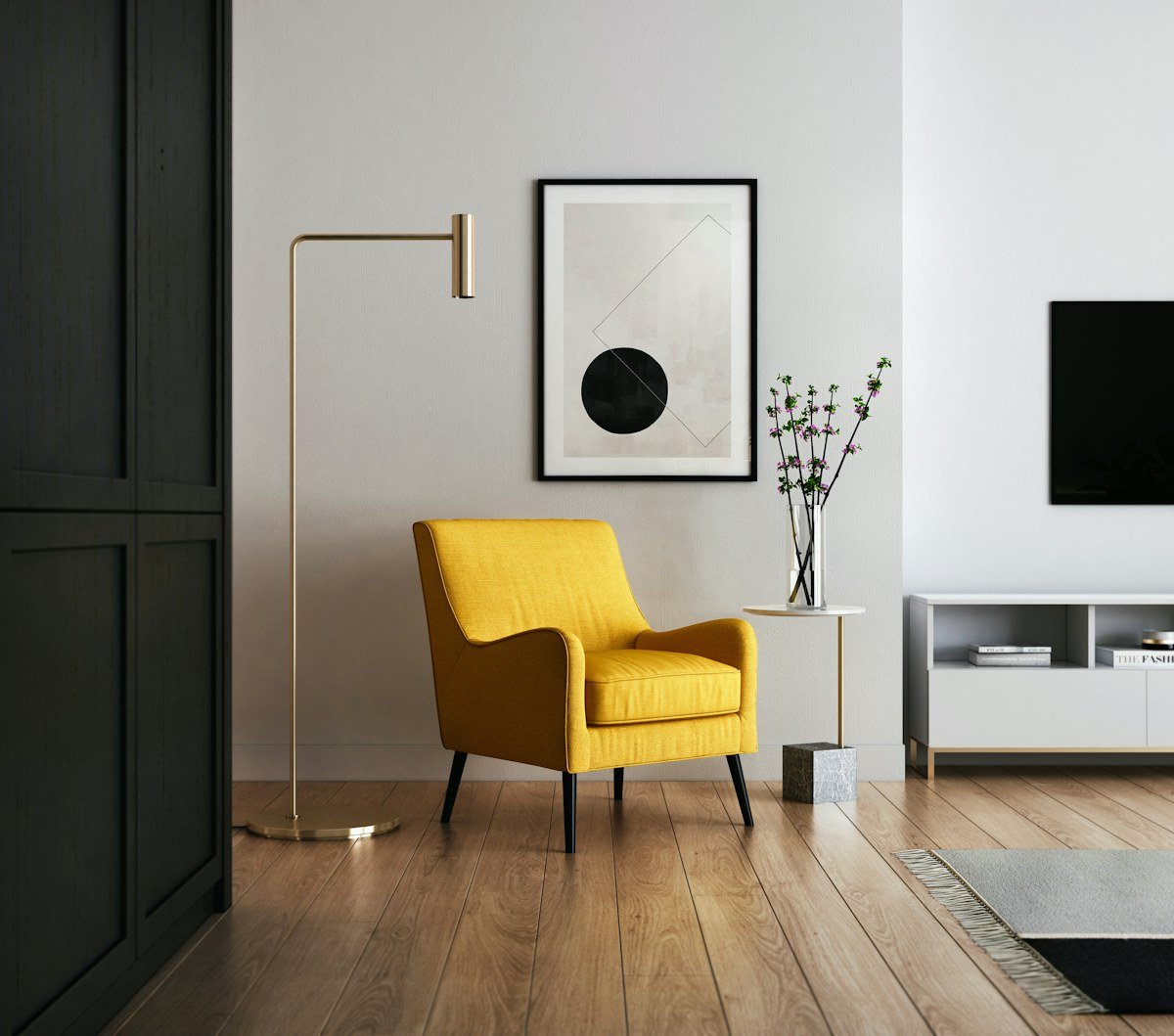
Living room oak furniture can give a room a calm centre, but it should not be treated as a reason to fill every wall with matching cabinets. The useful question is not “which set looks most complete?” but “where does the room fail now?” Storage, cable management, table space and seating circulation each need a different response.
Oak is practical for daily life because a good finish can be maintained and small marks can often be repaired. It is also visually strong, so scale and negative space are essential. A large sideboard can be the right piece on a long wall and the wrong piece if it leaves no clear route between the sofa and the door.
Choose the oak pieces by function
| Piece | Best question to ask |
|---|---|
| Sideboard | What needs to be hidden, and can doors and drawers open without meeting the coffee table? |
| Media unit | Does it support the screen, allow ventilation and manage cables without becoming a visual tangle? |
| Coffee table | Can people pass around it, reach the surface and sit down without knocking corners? |
| Bookcase or shelving | Will the height and depth support the books and objects without making the wall feel top-heavy? |
Before buying a full run, mark the footprint with tape and include the doors, drawers and cable routes. The advice in the fitted living room guide is helpful when storage needs to be planned around a particular wall rather than selected as a freestanding set.
Get the scale right around the sofa
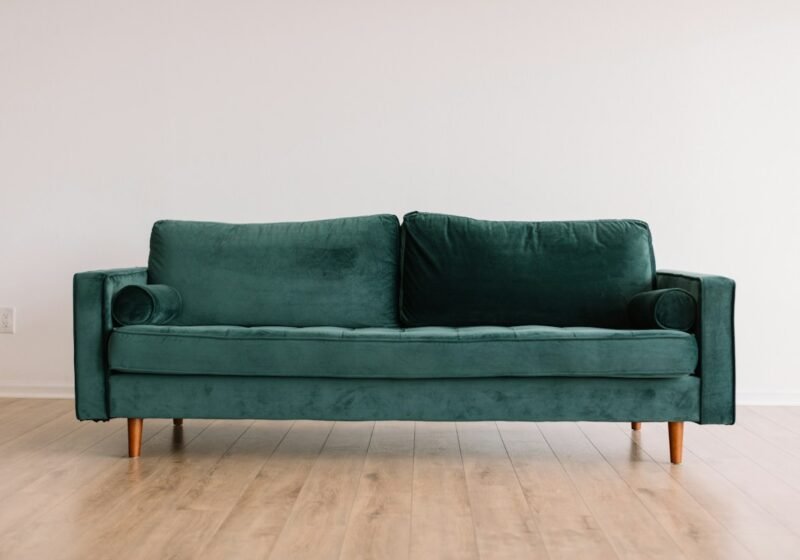
The sofa is usually the room’s largest visual mass, so oak furniture should relate to it rather than compete with it. A low coffee table can sit comfortably with a low sofa; a tall, narrow sideboard may balance a high-backed sofa better than a long low cabinet. Leave enough space for knees, doors and the route to the window.
Keep the coffee table close enough to reach but not so close that it becomes a trip hazard. If you need more flexibility, two smaller oak tables or a table with an open shelf can be easier to use than one oversized block. For seating decisions around the same layout, compare living room chair proportions before adding a new armchair.
Solid oak, veneer and reclaimed wood
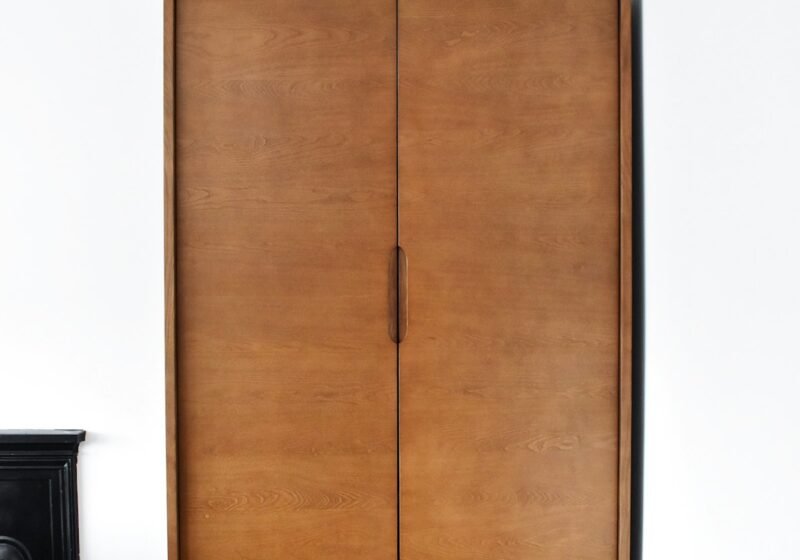
Solid oak brings weight and a strong material presence, but wide panels can respond to room humidity. Oak veneer over a stable core can be the sensible option for broad doors and long sideboards, provided the edges and back are properly finished. Reclaimed oak adds visible marks and variation, so it suits a room where character matters more than uniformity.
Check the hidden construction: drawer boxes, back panels, door alignment, fixings and the underside. A heavy cabinet is not automatically a well-made one. The general checks in the oak furniture buying guide help distinguish timber quality from a dark photograph and a reassuring product name.
If responsible sourcing is part of the brief, the FSC UK explains certification and chain of custody. Treat the documentation as one buying check alongside construction, finish and delivery access.
Coordinate oak with the floor and walls
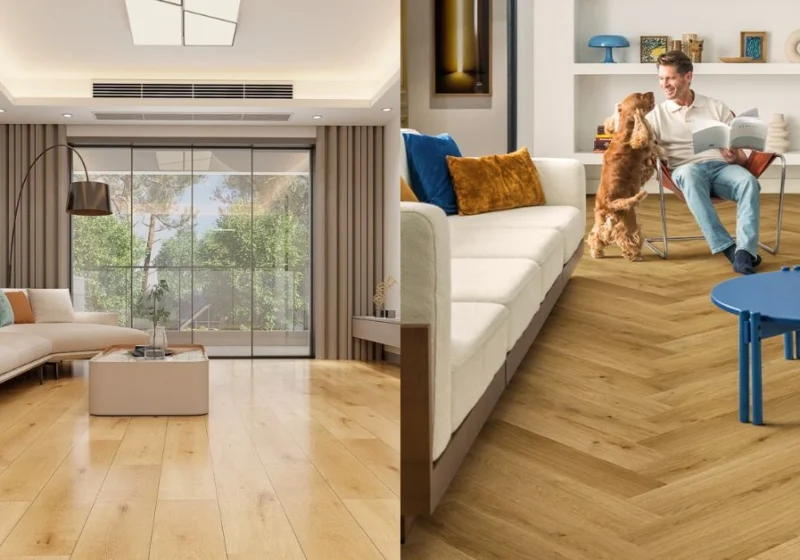
Do not try to make the floor and furniture identical. A light oak cabinet can disappear on a similar pale floor unless a rug or painted wall creates separation. Dark oak benefits from lighter walls, warm textiles and lamps that reveal the grain instead of leaving it as a flat silhouette.
- Repeat the main oak tone once or twice in smaller objects, not on every surface.
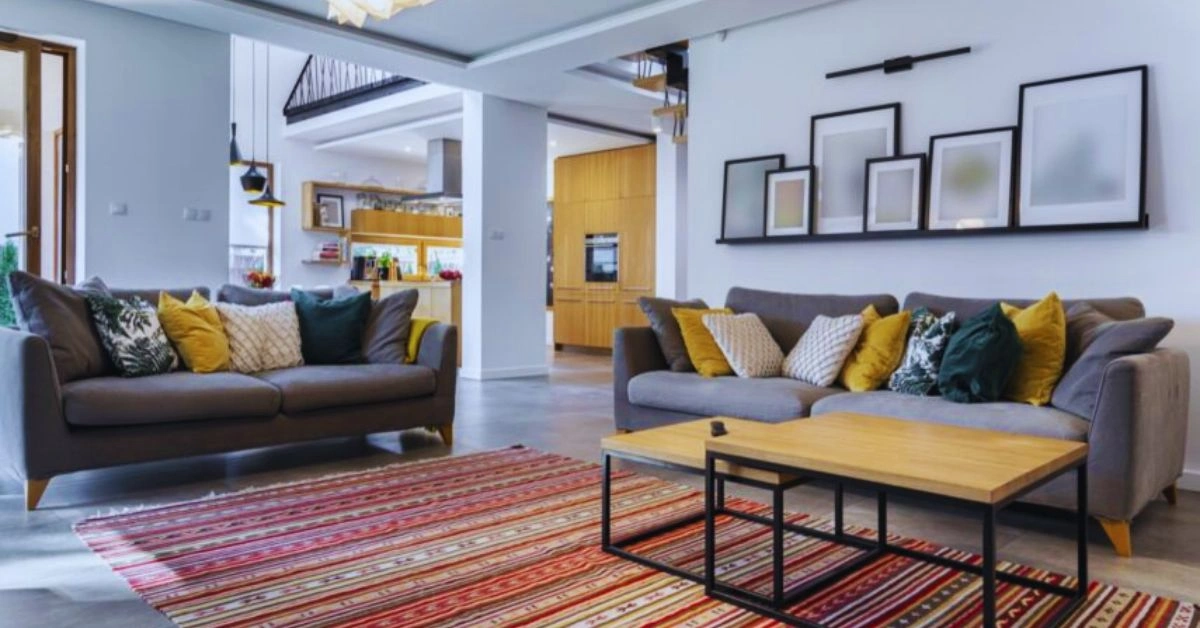
- Use a rug to separate the coffee table from the floor and soften the furniture’s visual weight.
- Choose wall colour by testing beside the timber in daylight and evening light.
- Keep large display areas edited so the grain and proportions remain visible.
For a winter scheme, the layers described in these cosy living room ideas give oak a softer setting without making the room feel rustic by default.
Care for furniture that gets used
Dust with a soft cloth and wipe spills quickly, particularly around drinks, plant pots and open windows. Use coasters for hot or damp items and do not leave a wet cloth over a door edge. Oiled, waxed and lacquered surfaces need different products, so follow the maker’s instructions rather than assuming all oak can be treated the same way.
Secure tall bookcases and media units according to the manufacturer’s instructions, especially in a family home. Keep ventilation around equipment and do not block cable access behind a cabinet. A practical oak piece should be easy to clean, reach and maintain, not only attractive from the doorway.
Buy a living room collection slowly
If you like a coordinated range, start with the piece that solves the biggest problem and live with its scale before adding more. Wood tones can look different when a room’s textiles, lighting and floor are in place. Ordering everything at once makes it harder to notice when the room has become visually crowded.
The best living room oak furniture leaves room for people, books, lamps and everyday mess. Let one or two pieces provide the structure, then allow the rest of the room to stay relaxed.
Frequently Asked Questions
1. What oak furniture looks best in a living room?
Choose pieces that solve the room’s main need: a sideboard for concealed storage, a coffee table with usable clearance or a media unit that manages cables. Simple proportions usually outlast a matched suite chosen only for appearance.
2. Does oak furniture suit a modern living room?
Yes. Clean-lined oak, restrained handles, generous negative space and good lighting can look very contemporary. The finish and scale matter more than whether the grain is visible.
3. How do you mix oak furniture with a different wood floor?
Compare undertones and visual weight rather than chasing an exact match. Use a rug, painted joinery or upholstery as a buffer, and repeat the oak tone in a smaller accessory or frame.
4. Is oak good for a family living room?
It can be, especially when the finish is practical and the piece has rounded or softened edges. Choose stable construction, secure tall furniture properly and avoid leaving standing water or hot items on the surface.
5. How do you style a dark oak living room?
Use lighter textiles, layered lamps and enough wall space around the furniture. One dark anchor can look rich; several tall dark pieces need more contrast and careful spacing to avoid closing in the room.