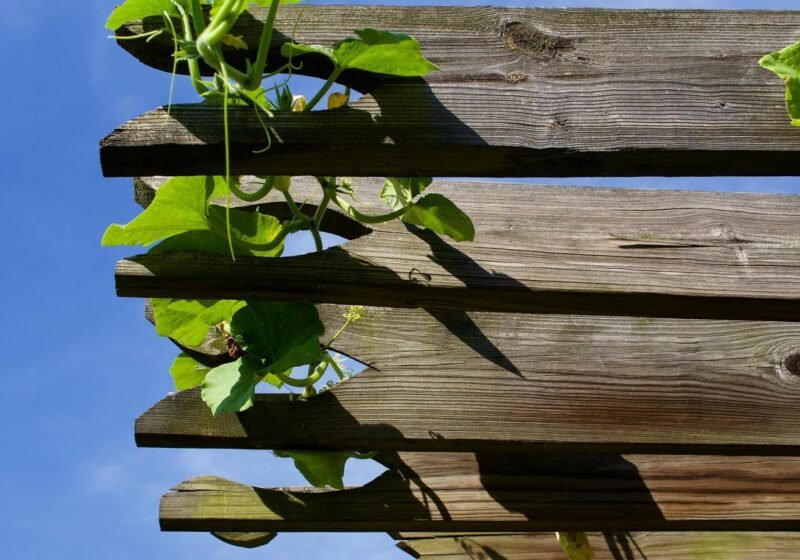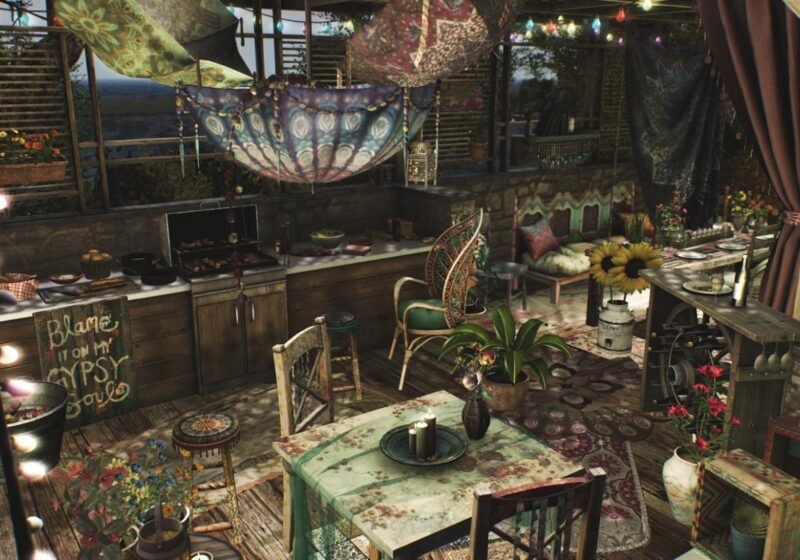

Contemporary garden design is not just pale paving and clipped planting. It is a disciplined way to make routes, views, seating, storage and maintenance read clearly, even when the garden has awkward levels or a wet UK climate.
Start by observing how the garden is used across a week. Mark the route from the house, the afternoon sun, waterlogged areas, bins, children’s play and the places where furniture needs to move before choosing a material palette. pergola placement advice
Build clear zones and sightlines
Use a small number of connected zones rather than many isolated features. Our outdoor rugs guide shows how furniture can define a patio; in a whole garden, the same job can be done by level changes, planting bands and consistent paving. rug grip advice
Balance hard landscaping and planting
Repeat one or two materials, then add planting texture and seasonal change. Aluminium, timber, brick, gravel and porcelain each behave differently around drainage, heat and cleaning, so specify transitions and edge details. garden seating planning
Design for water and maintenance
A clean layout still needs a fall, permeable areas and a place for rainwater. The RHS garden-design guidance is a useful primary reference for bringing planting and structure together without making maintenance an afterthought.
Measure, position and prepare
Measure levels, paths, gates, seating footprints, storage, utilities and the route for materials. Check boundaries, mature tree roots and access before finalising the plan. RHS pergola guidance
- Map use, sun, shade and wet areas first.
- Keep routes wide enough for daily movement.
- Plan falls and drainage before surface finishes.
- Repeat materials without making every area identical.
- Leave access for bins, tools and maintenance.
Use and maintain it well
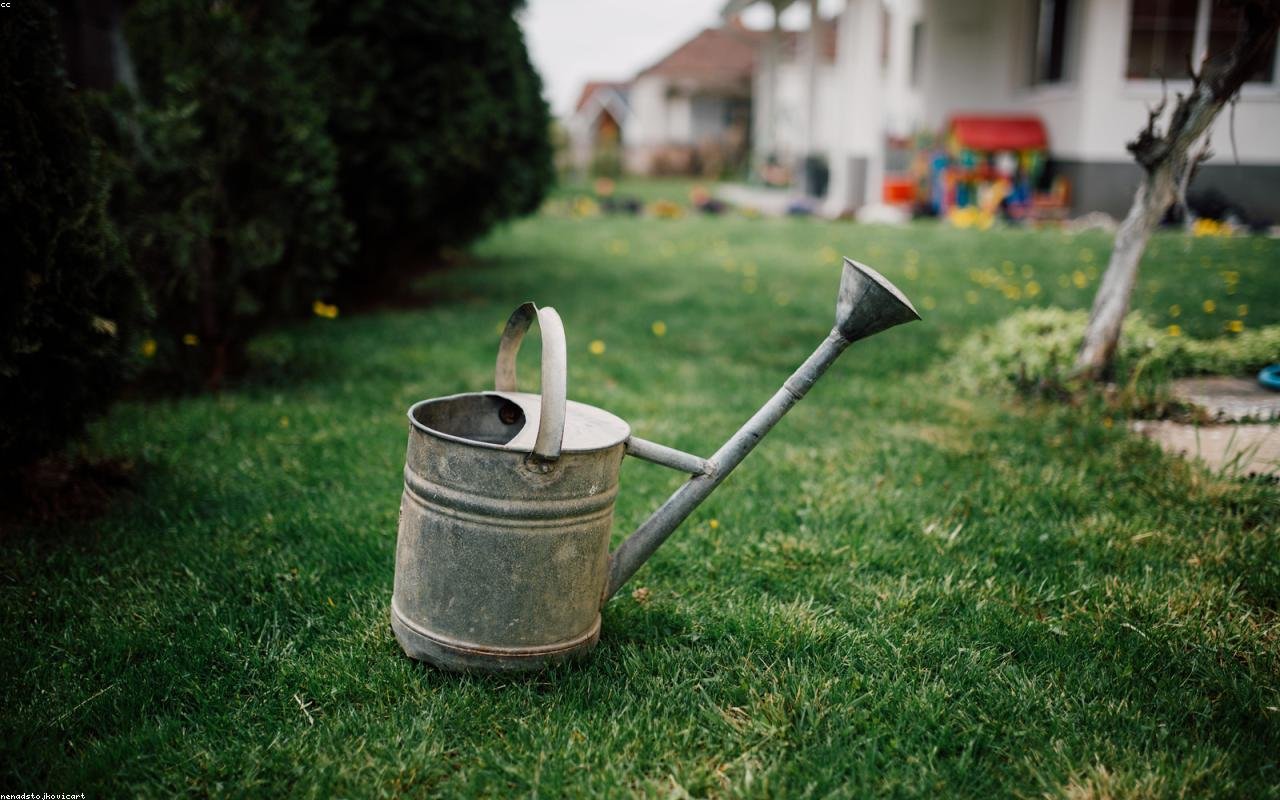
Sweep paving, prune to the intended shape and inspect joints, drains, lights and furniture storage each season. Keep spare materials and planting notes so small repairs do not become a redesign.
Common mistakes to avoid
- Designing only from an overhead sketch.
- Using too many surface materials and edge details.
- Ignoring water movement and winter shade.
- Blocking access with permanent planters or furniture.
- Choosing plants only for one season.
Prices are indicative and not financial advice.
Frequently Asked Questions
What should I decide first about contemporary garden design?
Use a small number of connected zones rather than many isolated features. Our outdoor rugs guide shows how furniture can define a patio; in a whole garden, the same job can be done by level changes, planting bands and consistent paving.
Which contemporary garden design options are worth comparing?
Repeat one or two materials, then add planting texture and seasonal change. Aluminium, timber, brick, gravel and porcelain each behave differently around drainage, heat and cleaning, so specify transitions and edge details.
How should I measure and prepare for contemporary garden design?
Measure levels, paths, gates, seating footprints, storage, utilities and the route for materials. Check boundaries, mature tree roots and access before finalising the plan.
How can I keep contemporary garden design working well?
Sweep paving, prune to the intended shape and inspect joints, drains, lights and furniture storage each season. Keep spare materials and planting notes so small repairs do not become a redesign.
Final Thoughts
Contemporary garden design is successful when the geometry makes everyday use easier and planting softens the structure. Plan routes, water, storage and maintenance before selecting the final finish.