
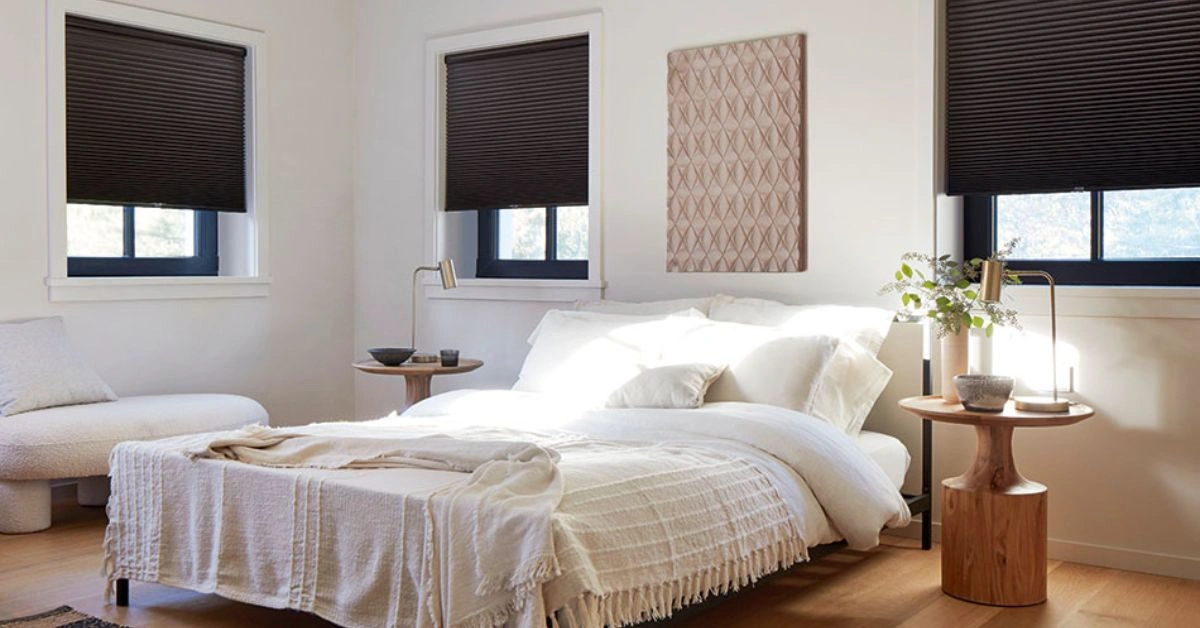
Bedroom Window Treatment Ideas are the foundation of a thoughtful, well-planned space. This comprehensive guide brings together everything our editors have learned about Bedroom Window Treatment Ideas, from layout and lighting to materials, finishes and budget-friendly upgrades, so you can make confident decisions and avoid the costly mistakes we see repeated in homes every year. Whether you are starting a full refurbishment or simply refreshing a tired room, the Bedroom Window Treatment Ideas covered here will help you get the most from your space, your budget and your time.
Choose a Bedroom Window Treatment by Performance
Before choosing a pattern or fabric, decide what the window needs to do. A bedroom treatment may need to manage light, privacy, heat loss and safety at the same time.
| Priority | Useful starting point | What to check |
|---|---|---|
| Blackout | Blackout blinds, blackout-lined curtains or layered treatments | Check side gaps, top gaps and overlap around the window. A close-fitting blind or curtain lining usually performs better than fabric alone. |
| Thermal comfort | Interlined curtains, thermal-lined curtains, cellular blinds or shutters | Check the fit around the recess, the lining specification and whether radiators or vents remain clear. |
| Privacy | Top-down blinds, shutters, voile with curtains or layered blinds | Consider both daytime and nighttime privacy. A treatment that looks private in daylight may not provide the same privacy after dark. |
| Noise and softness | Dense lined curtains, shutters with curtains or layered fabrics | Soft furnishings can reduce echo and soften a room, but they should not be described as soundproofing. |
| Unusual windows | Made-to-measure blinds, shaped curtains or carefully fitted tracks | Measure each section separately and check where brackets, handles and opening windows will sit. |
Measure Before You Order
For a recess blind, measure the width at the top, middle and bottom of the opening. Record the narrowest measurement. Measure the drop on the left, in the centre and on the right, then use the shortest measurement where the blind must fit inside the recess.
For curtains, measure the pole or track rather than the glass. Record the full width, including any return around the wall, and measure from the top of the pole or track to the intended finished hem. Check the position of handles, radiators, bedside furniture and the bed before deciding whether the treatment should sit inside or outside the recess.
Bay windows and unusual shapes need a simple sketch showing each window section, the intended fixing points and the direction in which the treatment will open. This prevents a curtain or blind from blocking a handle, radiator or bedside route.
Safety, Condensation and Care
Choose cordless controls where possible. If a cord or chain is supplied, fit the manufacturer’s safety device and keep it away from the bed, cot and any place where a child could reach it. Motorised controls should also be installed and operated according to the manufacturer’s instructions.
Leave enough space for air to circulate around the window. Do not allow heavy curtains or tightly fitted treatments to trap condensation against a cold frame. Ventilate the room, follow the cleaning instructions for the fabric or blind and check the treatment periodically for damp, mould or damaged fittings.
Budget by Performance
A practical budget option might combine a standard blackout blind with ready-made curtains. A mid-range option could use a made-to-measure blind or lined curtain with better fitting and thermal performance. A premium solution may include made-to-measure shutters, interlined curtains or motorised controls. Compare the performance, fitting and maintenance requirements rather than judging the treatment by appearance alone.
Bedroom Window Treatment Ideas: Why the Right Window Treatment Is the Most Important Bedroom Decision
In most UK homes, the bedroom window treatment is the single most important element of the room. The right treatment blocks the light that would otherwise wake the sleeper at dawn, controls the heat that would otherwise make the room uncomfortable, provides the privacy that allows the sleeper to relax, and adds the softness, colour, and texture that make the bedroom feel like a sanctuary.

Table of Contents
A well-chosen bedroom window treatment transforms the room from a place to sleep into a true retreat. A poorly chosen one, or no treatment at all, makes the room feel exposed, bright in the morning, and visually unfinished.
This guide brings together 23 bedroom window treatment ideas for UK homes, from blackout shades to curtains, from modern to traditional, from off-the-rack to custom.
23 Bedroom Window Treatment Ideas
1. Blackout Curtains
The most important bedroom window treatment: blackout curtains, which block the light that would otherwise wake you at dawn. The curtains can be lined with a separate blackout lining for the best performance.
2. Blackout Roman Shades
Blackout Roman shades, mounted inside the window frame, are a clean, tailored option for bedrooms. The shades can be raised and lowered independently.
3. Blackout Roller Shades
Blackout roller shades, mounted inside the window frame, are a simple, effective option. The shades can be paired with curtains for a layered look.
4. Cellular Shades
Cellular shades, also known as honeycomb shades, are an energy-efficient option that traps air in the cells. The shades provide insulation and light blocking.
5. Top-Down Bottom-Up Shades
Top-down bottom-up shades, which can be lowered from the top or raised from the bottom, provide flexible light control and privacy.
6. Layered Curtains and Sheers
Layered curtains, with a sheer layer on the back rod and a heavier curtain on the front, allow for versatile light control.
7. Curtains with Blackout Lining
Curtains with a separate blackout lining, attached to the back of the curtain, provide excellent light control. The blackout lining can be added to any curtain.
8. Floor-Length Curtains
Floor-length curtains, hung from a ceiling-mounted rod, make the window and the room feel larger.
9. Velvet Curtains
Velvet curtains, in a rich colour, add warmth, weight, and a sense of luxury. The velvet also provides excellent light blocking and insulation.
10. Linen Curtains
Linen curtains, in a soft neutral, drape beautifully and soften the light. The linen works in any style of bedroom.
11. Plantation Shutters
Plantation shutters, in a traditional or contemporary design, are a classic, durable option. The shutters can be adjusted for light control and privacy.
12. Wood Blinds
Wood blinds, in a real or faux wood, are a classic, natural option. The blinds can be adjusted for light control and privacy.
13. Faux Wood Blinds
Faux wood blinds, in a moisture-resistant material, are ideal for bathrooms and high-humidity bedrooms. The blinds look like real wood but are more durable.
14. Vertical Blinds
Vertical blinds are a practical option for large windows and sliding glass doors. The blinds can be drawn to one side and stacked neatly.
15. Panel Track Blinds
Panel track blinds, with large fabric panels that slide along a track, are a modern, sleek option.
16. Woven Wood Shades
Woven wood shades, made from natural materials such as bamboo, jute, or grass, add a natural, organic touch. The shades filter light while providing privacy.
17. Roman Shades in a Pattern
Roman shades, in a pattern such as a stripe, a floral, or a geometric, add visual interest. The pattern can be in coordinating colours with the rest of the room.
18. Valances
A valance, mounted above the window, hides the curtain rod and adds a decorative touch. The valance can be a simple pleated style or a more elaborate swag.
19. Cornices
A cornice, a fabric-covered board mounted above the window, hides the curtain rod and adds a tailored, traditional touch.
20. Café Curtains
Café curtains, covering only the lower portion of the window, are a charming, traditional choice. The curtains allow light in at the top while providing privacy at the bottom.
21. Sheer Curtains Alone
Sheer curtains alone, in a bedroom that does not need full blackout, soften the light and add a sense of romance.
22. Curtains with Tiebacks
Curtains with tiebacks, in a coordinating fabric or a contrasting colour, add a traditional, romantic touch.
23. A Statement Window Treatment
A statement window treatment, such as an elaborate valance, a dramatic curtain, or a unique shade, can be the focal point of a bedroom.
Additional Curtain Styles and Finishes
Pinch-Pleat Curtains
Pinch-pleat curtains have sewn pleats at the top and suit traditional or formal bedrooms.
Grommet-Top Curtains
Grommet-top curtains hang from a pole through metal rings and create clean, even folds in a modern bedroom.
Tab-Top Curtains
Tab-top curtains have fabric loops and work well in relaxed, country or cottage-style bedrooms.
Rod-Pocket Curtains
Rod-pocket curtains gather softly around the pole and suit casual or traditional rooms.
Wide Curtains and Puddling
Curtains with extra fabric create a fuller, more generous gather. A small amount of fabric allowed to puddle at the floor can look relaxed and luxurious, but it needs more care than curtains that just touch the floor.
Colours and Patterns
Solid-colour curtains make a strong statement, while white cotton gives a fresh look. Textured neutrals add interest without competing with the room; two-tone, striped, floral and geometric fabrics can introduce pattern in a controlled way.
Single-Panel Curtains
A single curtain panel can suit a small window or a modern, asymmetrical scheme, particularly where a pair of curtains would feel crowded.
How to Choose the Right Bedroom Window Treatment
The right bedroom window treatment depends on three things: the light, the style, and the level of privacy needed.
Consider the Light
If the bedroom faces east, choose blackout window treatments to block the morning light. If the bedroom faces west, choose heavier treatments that can be closed in the afternoon. North-facing bedrooms often benefit from lighter curtains that allow some daylight in, while east-facing rooms usually need stronger morning-light control.
Consider the Style
The window treatment should match the style of the bedroom. In a modern bedroom, choose clean-lined Roman shades or roller shades. In a traditional bedroom, choose pinch-pleat curtains or plantation shutters. In a casual bedroom, choose Roman shades or café curtains. Tab-top or rod-pocket curtains are also good choices for a casual bedroom because their softer construction suits relaxed interiors.
Consider the Privacy
If the bedroom is on a ground floor or faces another building, choose window treatments that provide full privacy when closed.
Get the Width Right
For a generous gather, choose curtain fabric that is about 1.5 to 2 times the width of the window. The exact amount depends on the fabric and heading, but extra width helps the curtains look full when closed.
Hang Curtains High
Mount the curtain pole as close to the ceiling as practical, roughly 2.5 to 5 cm (1 to 2 inches) below the ceiling line. This can make the window and the room feel taller.
Choose the Right Level of Privacy
Ground-floor bedrooms or rooms facing another building need a treatment that provides full privacy when closed. In an upper-floor bedroom with no nearby overlooking windows, sheers may be sufficient during the day, provided the view from neighbouring properties allows it.
Choose the Length
For a classic finish, curtains should just touch the floor. A slight puddle gives a softer, more relaxed look but is less practical in a busy room.
Frequently Asked Questions
Q1. What is the best window treatment for a bedroom?
Blackout window treatments are the best choice for a bedroom, as they block the light that would otherwise wake the sleeper at dawn. The treatments can be curtains, shades, or a combination.
Q2. How much do bedroom window treatments cost?
The cost of bedroom window treatments varies enormously depending on the type, the size, and the customisation. Off-the-shelf curtains and shades can be found for under $100 per window; custom treatments can cost $500 to $2,000 or more per window.
Q3. Should I have curtains or shades in my bedroom?
The choice depends on the style and the level of light control needed. Curtains are softer and more traditional; shades are cleaner and more modern. Many bedrooms benefit from a layered approach, with shades for light blocking and curtains for softness and colour.
Q4. How do I blackout a bedroom window?
The most effective way to blackout a bedroom window is with blackout curtains, blackout shades, or a combination of both. The treatments should be mounted as close to the window as possible to minimise light leaks around the edges.
Conclusion
The right bedroom window treatment can transform the way the room feels and the quality of your sleep. Take time to choose the right type, fabric, and colour for your room, and remember that the most successful window treatments are the ones that provide the right level of light control while adding softness, colour, and a sense of completeness to the room.
Related Articles You May Find Useful
Continue exploring the topic with these hand-picked guides from our editorial team.
- wall furnishing ideas (UK)
- decoration ideas on wall (UK)
- wood wall decor (US)
- gold wall decor (US)
- bay window curtain ideas (US)
Further Reading and Trusted Sources
For more inspiration and expert advice, see the latest from Houzz — one of the largest home design platforms in the world.
For more inspiration and expert advice, see the latest from Architectural Digest — authoritative interiors and design journalism.


2 thoughts on “Bedroom Window Treatment Ideas UK: 23 Curtains, Blinds & Shutters”