
Half Wall Panelling Ideas are the foundation of a thoughtful, well-planned space. This comprehensive guide brings together everything our editors have learned about Half Wall Panelling Ideas, from layout and lighting to materials, finishes and budget-friendly upgrades, so you can make confident decisions and avoid the costly mistakes we see repeated in homes every year. Whether you are starting a full refurbishment or simply refreshing a tired room, the Half Wall Panelling Ideas covered here will help you get the most from your space, your budget and your time.
Plan the Height and Spacing
Measure from the finished floor, not from the bare subfloor. A half-wall treatment often works somewhere around 900-1200mm high, but the right height depends on the skirting, sockets, radiators, doors, ceiling height and the proportions of the room.
If the top of the finished panelling is set at H and the top of the skirting is S:
Panel field height = H - S
For example, a finished top height of 1050mm with 120mm skirting gives a panel field of 930mm, before allowing for a dado rail or top trim.
Measure the usable wall width after allowing for corners, door architraves, sockets and any area that cannot be panelled. If the usable width is W, the target panel width is P and the gap between panels is G:
Maximum panel count = floor((W + G) ÷ (P + G))
For a 3600mm wall with a 450mm target panel width and 75mm gaps:
floor((3600 + 75) ÷ (450 + 75)) = 7 panels
If the panel count is fixed at N, calculate the exact panel width as:
Panel width = (W - ((N - 1) × G)) ÷ N
In the same example, seven panels with six 75mm gaps produce seven 450mm panels. Recheck the calculation around corners and do not assume that every wall is perfectly square. Add a sensible waste allowance for cuts, damaged pieces and pattern matching.
Installation Steps
- Inspect the wall. Check for damp, loose plaster, uneven surfaces, sockets, pipes and cables. Do not cover a moisture problem with panelling.
- Mark the finished height. Use a level or laser, mark the top line around the room and account for skirting, rails and trim.
- Set out the panels. Mark the panel centres, gaps, corners and obstructions before cutting anything. Dry-fit the first wall where possible.
- Measure and cut. Cut MDF, timber or another suitable board on a stable surface. Label each piece so it returns to the correct position.
- Prepare the wall and materials. Clean the surface, follow the adhesive instructions and prime cut MDF edges before painting.
- Fix the panels. Use an appropriate adhesive and mechanical fixing where required. Check each panel for level and keep the planned gaps consistent.
- Fill and caulk. Fill fixing holes, sand carefully and use a flexible decorator’s caulk at suitable joints and changes of material.
- Prime and paint. Apply the correct primer and finish for the material. Allow each coat to dry before sanding lightly or applying the next coat.
- Inspect the finished run. Check corners, sockets, rails, gaps and paint coverage before replacing furniture.
Use moisture-resistant materials only where appropriate and follow the manufacturer’s instructions. Ordinary MDF is not suitable for persistently damp conditions. Plan access to sockets and switches before fixing panels permanently.
Half Wall Panelling Ideas: Why Half Wall Panelling Is the Most Versatile Choice
Half wall panelling, also known as dado-height or wainscoting, is the most versatile panelling style for UK homes. It works in period properties and modern flats, in hallways and living rooms, in small spaces and large. The panelling protects the lower wall from knocks, adds character and architectural interest, and provides a beautiful contrast to the wall above. It can also disguise uneven walls and can be installed over a weekend by a competent DIYer.
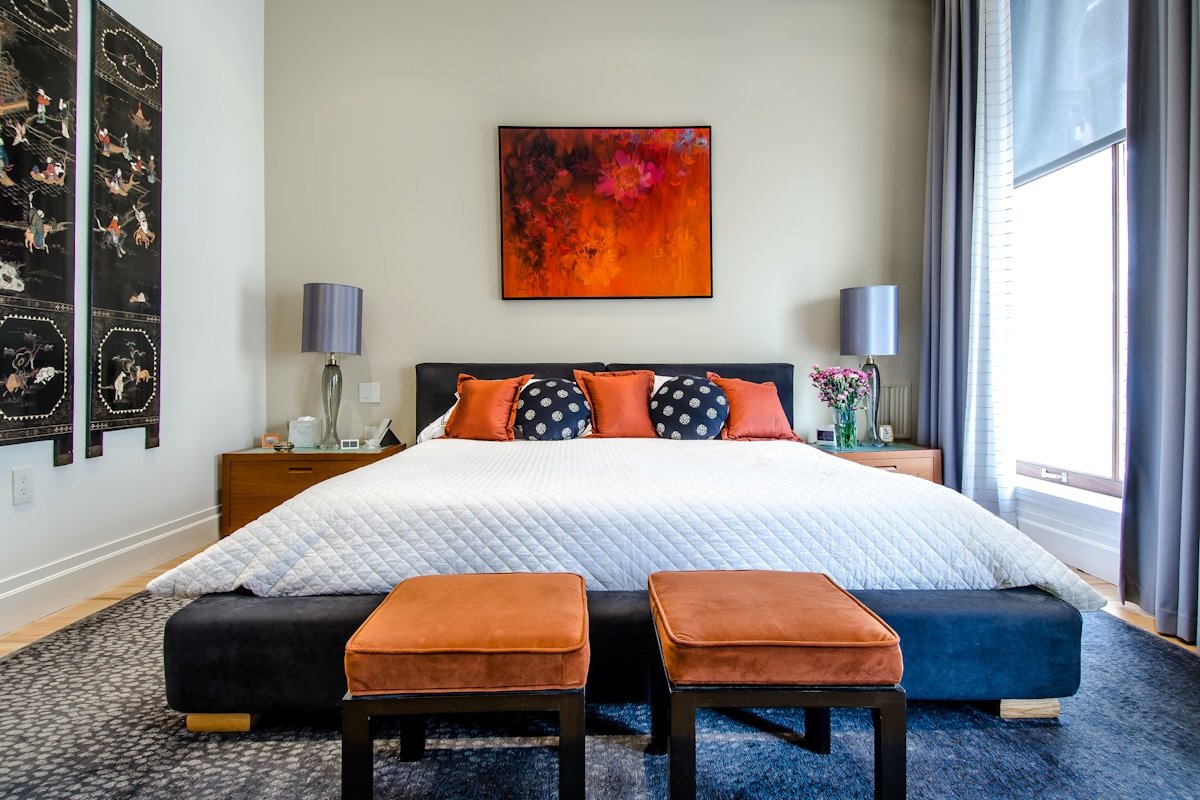
Table of Contents
This guide brings together 21 half wall panelling ideas for UK homes, covering every style from traditional to contemporary.
21 Half Wall Panelling Ideas
1. Classic Shaker Panels
A classic Shaker panelling, with rectangular frames at dado height, is a timeless choice.
2. Georgian Panels
Georgian panelling, with more elaborate mouldings, is a grander choice for period properties.
3. Picture Frame Panels
Picture frame panels, with simple rectangular frames, is a softer, less formal choice.
4. Tongue-and-Groove Panels
Tongue-and-groove panelling is a traditional choice that suits country and period homes.
5. Beadboard Panels
Beadboard, with small rounded beads, is a classic country-cottage choice.
6. Slat Panels
Slat panelling at half height is a more contemporary choice. The slats add texture and rhythm.
7. Board and Batten Panels
Board and batten, with wide vertical boards and narrow battens, is a clean, contemporary choice.
8. Raised Panels
Raised panels, with a more three-dimensional profile, is a traditional choice for formal rooms.
9. Flat Panels
Flat panels, with a simple flat surface, is a contemporary choice that works in modern homes.
10. Panels in a Heritage Colour
A panelling in a heritage colour, with a contrasting paint or wallpaper above, is beautifully characterful.
11. Panels in a Soft Neutral
A panelling in a soft neutral, with a slightly darker paint above, is a timeless choice.
12. Panels with Wallpaper Above
A panelling in a single colour, with a patterned wallpaper above, is a beautifully layered choice.
13. Two-Tone Panels
A two-tone panelling, with the panels in one colour and the frame in another, adds depth.
14. Panels in Natural Wood
A panelling in natural wood, with a painted wall above, is a beautifully characterful choice.
15. Painted Panels in a Single Colour
A panelling painted in a single colour, with a contrasting wall above, is a contemporary choice.
16. Panels with a Dado Rail
A panelling with a traditional dado rail, separating the panelling from the wall above, is a classic choice.
17. Panels with a Picture Rail
A panelling with a picture rail, separating the panelling from the wall above, is a beautifully layered choice.
18. Panels with a Chair Rail
A panelling with a chair rail, with the rail serving as a base for picture hanging, is a practical and decorative choice.
19. Built-In Alcove Panels
A panelling built into the alcoves flanking a chimney breast is a brilliant use of space.
20. Panels in a Hallway
A panelling in a hallway, with a wallpaper or a contrasting paint above, is a beautifully characterful choice.
21. Panels in a Bedroom
A panelling in a bedroom, behind the bed, is a popular modern application.
Living Room Panelling Applications
Living room panelling can be used to create a focal point, frame architectural features or add texture without covering every wall.
Panelling behind the TV
Vertical slat panels behind the television add warmth, texture and rhythm while giving the TV wall a deliberate focal point.
Panelling around a fireplace
Panels around a fireplace frame it and strengthen its role as the room’s centrepiece.
Panelling on a chimney breast
Panels on a chimney breast transform a blank wall into a feature and make use of an existing architectural anchor.
LED-backlit slats
Concealed LED strip lighting behind slats creates a striking contemporary feature and a soft evening glow.
Full-height panelling
Full-height panelling running from floor to ceiling is a dramatic choice that works particularly well in rooms with higher ceilings.
Floor-to-ceiling library panelling
A full wall of floor-to-ceiling bookcases creates a statement library wall for serious readers.
Painted slat panelling
Painting slat panelling in one colour gives a more contemporary alternative to natural wood.
Panelling behind a sofa
Panelling behind the sofa creates a focal point without requiring the television or fireplace to lead the room.
Single-wall feature panels
A single wall of panelling, with the other walls painted in a complementary colour, is a more restrained approach.
Choosing Panelling for a Living Room
The right living-room panelling depends on the proportions of the room, the architecture of the house and your personal style.
Room proportions
In a small living room, choose a slimmer panelling style that does not dominate the space. Larger rooms and higher ceilings give you more freedom to use full-height or library panelling.
House architecture
In a period property, choose a style that suits the age of the house. In a modern new-build, contemporary styles such as slats, LED-backed panels or clean board and batten work well.
Personal style
Let the panelling reflect your taste: traditional mouldings for a formal room, natural wood for warmth, or painted contemporary panels for a cleaner look.
Materials and Costs
The cost of a half wall panelling project depends on the material and the size of the wall.
MDF
MDF is the most popular material. Expect to pay around £15 to £30 per square metre.
Real Wood Veneer
Real wood veneered MDF is a good compromise. Expect to pay around £50 to £90 per square metre.
Solid Timber
Solid timber is the most expensive option. Expect to pay around £80 to £200 per square metre.
Professional installation adds £30 to £60 per square metre.
Frequently Asked Questions
Q1. What is the best height for half wall panelling?
The classic dado-height panelling sits at around 90 to 110cm from the floor, which works well in most UK homes with standard 2.4m ceiling heights.
Q2. Is half wall panelling expensive?
Simple MDF picture-frame panelling is very affordable, around £15 to £30 per square metre in materials.
Q3. Can you put half wall panelling on any wall?
Most interior walls can take panelling, provided they are structurally sound, dry and reasonably flat.
Q4. Does half wall panelling make a room feel smaller?
Used thoughtfully, with light colours, panelling can actually make a room feel more structured and intentional.
Conclusion
Half wall panelling is one of the most rewarding improvements you can make to a UK home. Take time to choose the right style, sample paint colours, and remember that the most successful panelling projects are the ones that feel like they have always been there.
Related Articles You May Find Useful
Continue exploring the topic with these hand-picked guides from our editorial team.
- green decorated bedrooms (UK)
- kids bedroom furniture (UK)
- green bedroom ideas (UK)
- decorating green bedroom (UK)
- green bedroom (UK)
Further Reading and Trusted Sources
For more inspiration and expert advice, see the latest from Real Homes — expert UK home renovation advice.
For more inspiration and expert advice, see the latest from Ideal Home — British decorating and interiors inspiration.

1 thought on “Half Wall Panelling Ideas UK: 21 Styles, Costs & DIY Tips”