Quick answer
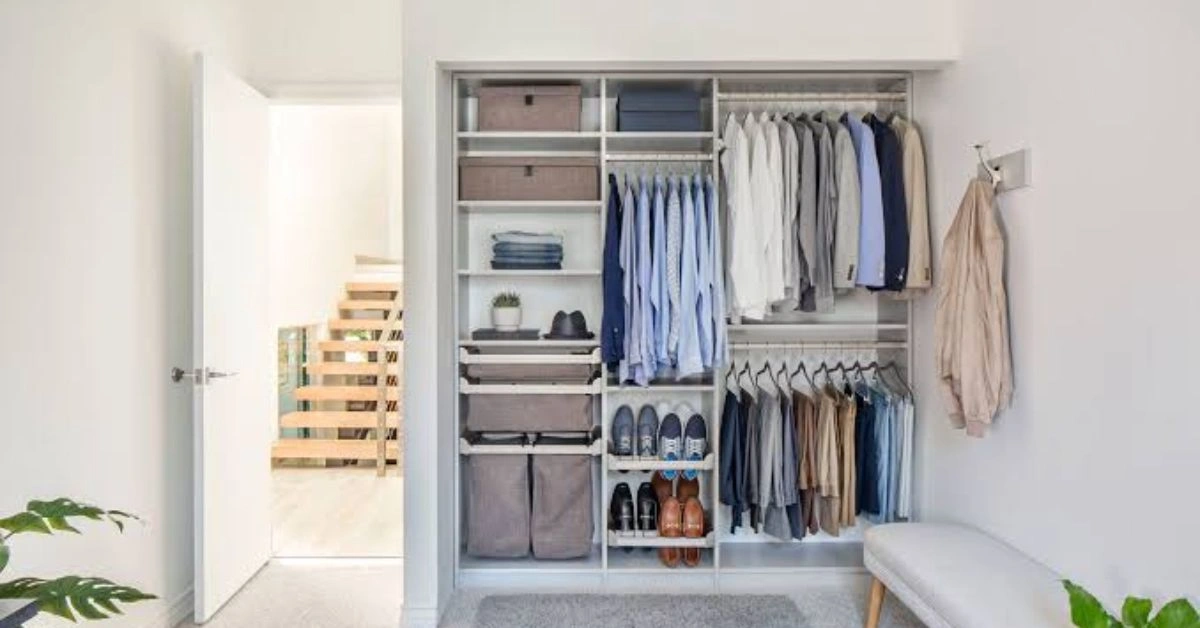
The most useful wardrobe storage ideas begin with the measurements you already have. Divide the interior into hanging, folded, shoe and accessory zones, use the full height carefully, and choose additions that make clothes easier to reach rather than simply adding more containers.
Wardrobe storage ideas are often presented as a collection of baskets, but storage only helps when it matches the clothes and the daily routine. A shelf that is too deep becomes a pile, a second rail can be brilliant for shirts and useless for coats, and a box placed at the back may as well not exist.
Empty the wardrobe far enough to measure the usable space. Record the width between side panels, the height below the top shelf, the depth behind the doors and the position of hinges or drawers. Those numbers will prevent you from buying organisers that reduce capacity.
Wardrobe storage ideas by clothing type
| Storage zone | Useful solution | Common mistake |
|---|---|---|
| Short hanging | Double rail or two-level system for shirts, skirts and folded trousers | Installing the lower rail where shoes or drawers cannot be used |
| Long hanging | One clear section for coats, dresses and longer items | Dividing the whole wardrobe into short sections with nowhere for long clothes |
| Folded clothes | Adjustable shelves or shallow drawers with visible categories | Deep stacks that collapse when one item is removed |
| Accessories | Small trays, dividers, hooks or a pull-out organiser | Letting small items occupy the only clear shelf |
Use the measurements in the wardrobe depth guide before changing the rail position. The inside must work for the hanger, not just for the empty cabinet.
Use vertical space without losing access
The top of a wardrobe is valuable for suitcases, spare bedding and seasonal clothing, but it should not become a permanent graveyard. Use labelled boxes that can be lifted safely, and keep the items you need most often at shoulder or eye level. A step stool should have a stable home rather than being dragged from another room.
Inside the main section, shelf dividers can stop stacks falling sideways, while a second rail can turn unused height into useful capacity. Leave enough vertical clearance for the clothes to be removed without catching on the shelf above.
Make drawers and shelves easier to live with
Drawers are excellent for underwear, gym clothes and small folded items because they contain the pile. If the wardrobe has only shelves, use shallow open boxes or baskets that can slide forward without needing to remove the whole stack. Transparent or clearly labelled containers reduce the temptation to buy duplicates.
- Fold bulky knitwear loosely and avoid overfilling a box.
- Store everyday accessories where they can be seen in one movement.
- Keep one small repair or alteration pouch rather than scattering spare buttons and belts.
- Leave a little spare space so the system can absorb laundry day.
If you are choosing a new cabinet, compare the internal planning points in the modern wardrobe guide before deciding between hinged and sliding doors.
Shoes, bags and awkward items
Shoes need airflow and a surface that can be cleaned. A shallow rack or pull-out shelf is usually easier than deep floor piles. Bags can hang from a strong rail hook or sit on a shelf with their shape supported. Keep damp footwear outside the wardrobe until it is fully dry.
Belts, scarves and jewellery are easiest to use when each category has a visible boundary. A hook rail inside the door can work if it clears the hinges and does not make the door heavy. Test the door movement before installing anything permanent.
No-drill storage for rented rooms
Freestanding drawer units, shelf dividers, storage cubes and removable hooks can improve a wardrobe without changing the cabinet. Check the load limit and the surface compatibility of any adhesive product. Tension systems should be used only where the product is designed for the space and load; improvising a heavy rail is not a safe shortcut.
For a whole-room approach, the small-home storage guide helps decide what belongs inside the wardrobe and what should live elsewhere. A smaller wardrobe is easier to manage when the room has a sensible laundry and return-home routine.
Reset the wardrobe by season
Do not reorganise the whole cabinet every weekend. At the end of a season, remove anything that needs repair, clean the shelves and rotate the least-used clothing to the top. Keep a small donation or alteration bag nearby, but do not let it become a new permanent storage zone.
The Furniture Industry Research Association is a useful independent reference for furniture quality and testing information. For a specific wardrobe, follow the maker’s load and fixing guidance, especially when adding internal accessories.
A wardrobe storage checklist
- Measure width, height, depth, hinges and door clearance.
- Count the clothing categories that need separate access.
- Keep long hanging, short hanging, folded items and accessories distinct.
- Use labels and visible containers rather than deep mystery boxes.
- Leave spare capacity for laundry, seasonal change and real life.
The best wardrobe storage ideas do not make you work harder. They put the right items at the right height, keep the deep corners honest and make it easy to return clothes to their place.
Frequently Asked Questions
1. How can I get more storage out of my wardrobe?
Start by measuring the usable interior, then add a second hanging level, adjustable shelves, drawers or slim accessory storage where they solve a real problem. Remove dead space before buying more boxes.
2. How do you organise a small wardrobe?
Keep daily clothes at reachable height, use the upper shelf for less-used items and reserve the floor for shoes or a low drawer. Grouping by garment type and season makes a small wardrobe easier to maintain than cramming everything into one rail.
3. What is the best way to store shoes in a wardrobe?
Use a shallow rack, pull-out shelf or labelled boxes that fit the actual depth. Keep pairs together, allow footwear to dry and avoid blocking the wardrobe door or the clothes hanging behind it.
4. How do I add wardrobe storage without drilling?
Use freestanding drawers, tension solutions approved for the load, shelf dividers and removable hooks where the surface allows. Do not overload adhesive hooks or use a system that can fall onto a child or obstruct the doors.
5. How deep should wardrobe storage be?
Measure the clothes and hangers first. Around 600mm is a common starting point for front-facing hanging, but drawers and shelves can need less depth while bulky coats may need more room in front of the rail.