
Table of Contents
- Start with heat loss, not a product
- The sensible order of upgrades
- Loft and roof insulation
- Cavity and solid-wall insulation
- Floor insulation and draughts
- Windows, doors and ventilation
- Heating systems and heat pumps
- Hot water, controls and solar
- Grants and checks for 2026
- UK upgrade costs in 2026
- Energy-efficiency FAQs
- Final Thoughts
Start with heat loss, not a product
The most efficient upgrade is the one that solves the biggest weakness in your home. A Victorian terrace with an uninsulated loft needs a different sequence from a modern flat with good insulation but poor heating controls. Start with an Energy Performance Certificate if you have one, then inspect the loft, external walls, floors, windows, doors, boiler and ventilation. A qualified retrofit assessor can give a more reliable plan than a sales visit for one product.
Do not seal a damp wall, add insulation over wet timbers or replace a sound window before checking the building fabric. Energy work should improve comfort without creating condensation, overheating or poor indoor air quality. In an older solid-wall home, ventilation and moisture behaviour are especially important.
The sensible order of upgrades
- Fix leaks, damp, broken gutters and obvious draughts.
- Insulate the loft or roof where suitable, then improve cavity or solid walls.
- Improve floor edges, doors and windows only where the condition and heat loss justify it.
- Fit heating controls and balance the existing system.
- Assess the boiler, heat pump or other heat source after the fabric is improved.
- Add solar PV or a battery after checking roof, electricity use and export assumptions.
This is not an absolute rule. A failing boiler may need replacement now, and a grant may change the best order. The principle is to avoid buying a larger heating system to compensate for heat leaving through the roof and walls.
Loft and roof insulation
Loft insulation is often the cheapest meaningful fabric improvement. For a standard cold loft, the commonly used target is around 270mm of mineral wool, installed in crossed layers so joints do not line up. The material itself may cost roughly £400-800 for a typical accessible loft; professional work, boarding and access changes can take the project to £900-2,000.
Do not squash insulation under stored boxes, cover eaves ventilation, or insulate over downlights that are not rated for it. Insulate and draught-seal the loft hatch, keep tanks and pipes protected from freezing, and use raised boarding if storage is essential. A warm-roof or room-in-roof conversion is a different, more complex detail.
Cavity and solid-wall insulation
Cavity walls
Cavity wall insulation can be a good-value upgrade when the cavity is suitable, dry and properly surveyed. A typical semi-detached or terraced job may cost £1,000-2,500, with the exact figure depending on wall area, access and remedial work. Do not rely on a visual guess; check the wall construction, exposure and installer guarantee.
Solid walls
Internal solid-wall insulation can cost around £5,000-12,000 for a home, while external systems may be £10,000-25,000+. Internal insulation reduces room size and needs careful detailing at floors, windows and junctions. External insulation changes the facade and may need planning or conservation-area discussion. Both need a moisture-aware specification rather than a generic board stuck to the wall.
Floor insulation and draughts
Suspended timber floors can lose heat through gaps between boards and at the perimeter. Insulating between joists, supporting the material correctly and sealing uncontrolled draught paths may cost £1,500-4,000 for a typical home. Do not block air bricks that ventilate the subfloor. Solid floors need a different approach and may require insulation during a larger renovation; raising the floor affects doors, stairs and sockets.
Draught-proofing around doors, letterboxes, windows and floorboards is often a quick win. A professional package may cost £150-400; DIY seals are cheaper but should not block intentional ventilation or combustion air. Smoke, damp and mould problems need their own inspection.
Windows, doors and ventilation
Replacing windows can improve comfort, reduce draughts and address failed glazing, but it is not always the fastest payback. Repairing gaps, fitting good seals and adding lined curtains may be better value for a sound window. A full double-glazing replacement often costs £6,000-15,000+ for a house in 2026, depending on size, frame, access and specification.
Use trickle vents and extractor fans as designed. If you make a house more airtight, moisture from cooking, bathing and drying clothes needs a controlled route out. Mechanical ventilation may be appropriate in some major refurbishments, but a quiet fan that is never used is not an efficiency measure.
Heating systems and heat pumps
Heating controls can improve comfort without changing the heat source. A modern programmer, room thermostat and thermostatic radiator valves (TRVs) allow rooms to be heated according to use. Balance radiators so the system warms evenly, and avoid placing the thermostat beside a radiator, draught or sunny window.
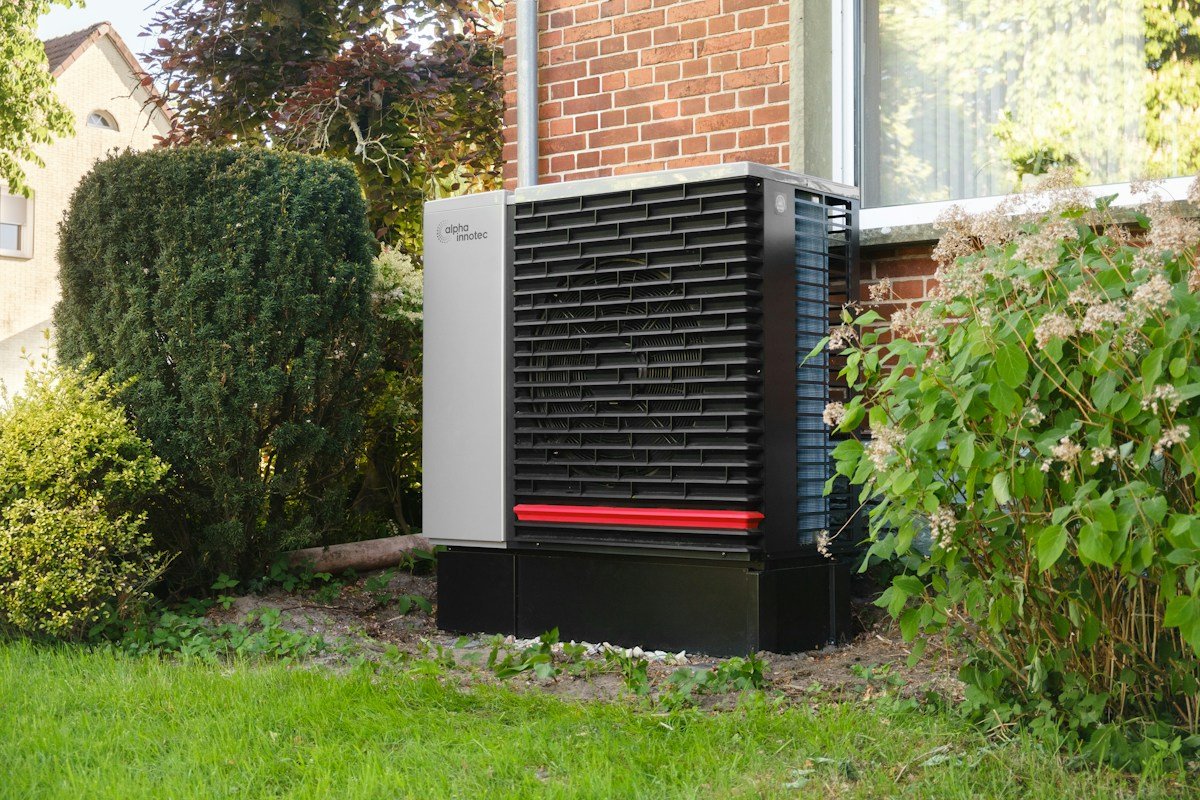
An air-source heat pump commonly costs around £9,000-16,000 before grants and can require larger radiators, cylinder space, electrical work and external clearance. The exact running cost depends on electricity and gas prices, system design, flow temperature and insulation. A heat-loss calculation and room-by-room design are essential. A heat pump can work in an older home, but “fit and forget” is not a responsible plan.
The Boiler Upgrade Scheme in England and Wales has commonly offered a grant of up to £7,500 for eligible heat pumps in 2026; check the current GOV.UK rules before relying on it. Scotland, Wales and Northern Ireland have different support routes and eligibility.
Hot water, controls and solar
A hot-water cylinder jacket can cost under £50 and is one of the simplest upgrades. Insulate accessible hot-water pipes, set controls so the cylinder heats at useful times, and check the boiler flow temperature with a qualified professional rather than changing safety settings blindly.
A typical 4kWp solar PV system may cost roughly £5,500-8,000 installed in 2026, depending on roof, scaffolding, inverter and battery choices. A battery can cost another £3,000-8,000 and is not automatically worthwhile; compare your daytime electricity use, export tariff and usable capacity. Solar output is seasonal, so do not base the payback on a perfect summer month.
Grants and checks for 2026
Funding changes often. Check GOV.UK, your local authority and the Energy Saving Trust immediately before signing a contract. Common routes discussed in 2026 include the Boiler Upgrade Scheme, local-authority schemes and support for households on lower incomes, but eligibility can depend on postcode, EPC, tenure, income and technology. Do not treat a sales leaflet as proof of a grant.
Before work, ask for an itemised quote, installer insurance, relevant certification, product guarantees and the name of the scheme administrator. For major retrofit, an EPC before and after can help evidence the improvement, but an EPC is not a full condition survey and a higher score does not guarantee lower bills in every household.
UK upgrade costs in 2026
| Upgrade | Typical 2026 range | Priority note |
|---|---|---|
| Loft insulation to about 270mm | £400-2,000 | Often the first fabric upgrade if the loft is accessible |
| Draught-proofing | £50-400 | Low cost, but do not block ventilation |
| Floor insulation | £1,500-6,000 | Depends on suspended or solid floor construction |
| Solid-wall insulation | £5,000-25,000+ | Needs moisture and junction detailing |
| Air-source heat pump | £9,000-16,000 before grant | Design and heat-loss calculation matter more than headline price |
| 4kWp solar PV | £5,500-8,000 | Model generation, self-use and export, not just panel price |
Energy-efficiency FAQs
What is the best first energy upgrade for most UK homes?
For many homes it is fixing draughts and improving accessible loft insulation, followed by controls and the biggest verified fabric weakness. A home with a failing boiler needs a different immediate decision, so inspect before choosing.
Should I insulate before installing a heat pump?
Usually improve the practical fabric weaknesses first because lower heat loss can reduce the required heat-pump size and flow temperature. Do not delay a necessary heating replacement without professional advice, and do not assume every wall upgrade is suitable.
Are solar panels worth it in the UK in 2026?
They can be, particularly where daytime electricity use is high or export terms are good. Model roof orientation, shading, battery cost, electricity use and the seasonal output before using a ten-year payback as a promise.
Can I claim a grant if I own a modern home?
It depends on the scheme and current eligibility. Some support is targeted at lower-income households or lower EPC ratings; the Boiler Upgrade Scheme has different rules. Check the live government guidance rather than relying on an old article.
How much does an EPC cost?
A domestic EPC commonly costs about £60-120, depending on location and property size. It is produced by an accredited domestic energy assessor and is useful for a rating snapshot, not a substitute for a retrofit survey.
Will insulation cause damp?
Badly specified or badly installed insulation can worsen moisture problems, particularly in solid-wall or historic buildings. A suitable survey, ventilation plan, moisture detailing and the right materials are more important than adding the thickest possible layer.
Final Thoughts
Energy efficiency is a sequence, not a single miracle purchase. Fix water and draughts, improve the building fabric where it is suitable, control the existing system, then assess low-carbon heating and solar with real measurements. That approach costs less than repeating work, protects comfort, and makes any later grant or technology decision easier to defend.


7 thoughts on “Energy-Efficient Home Upgrades UK: Costs, Payback and Grants”