
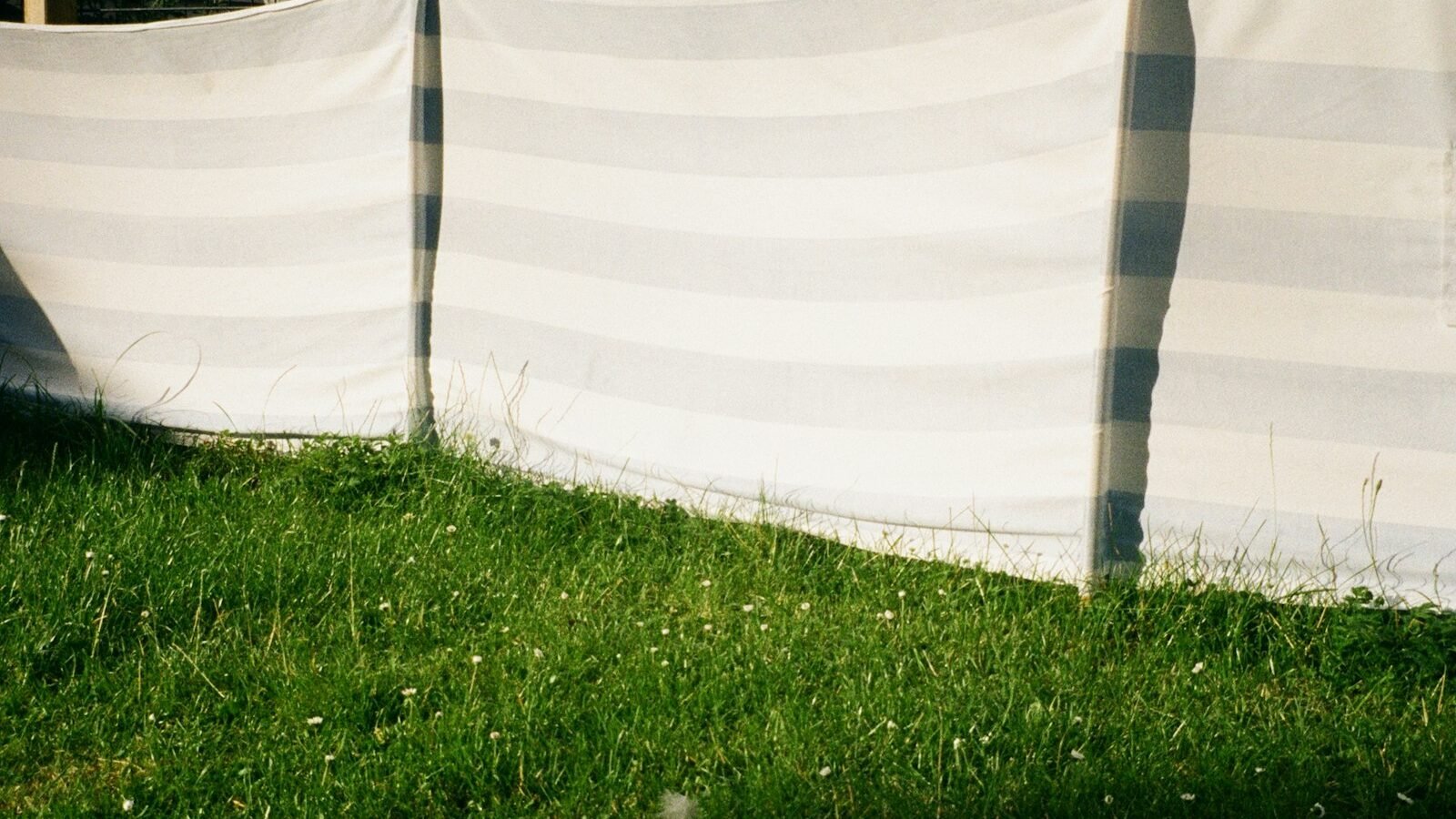
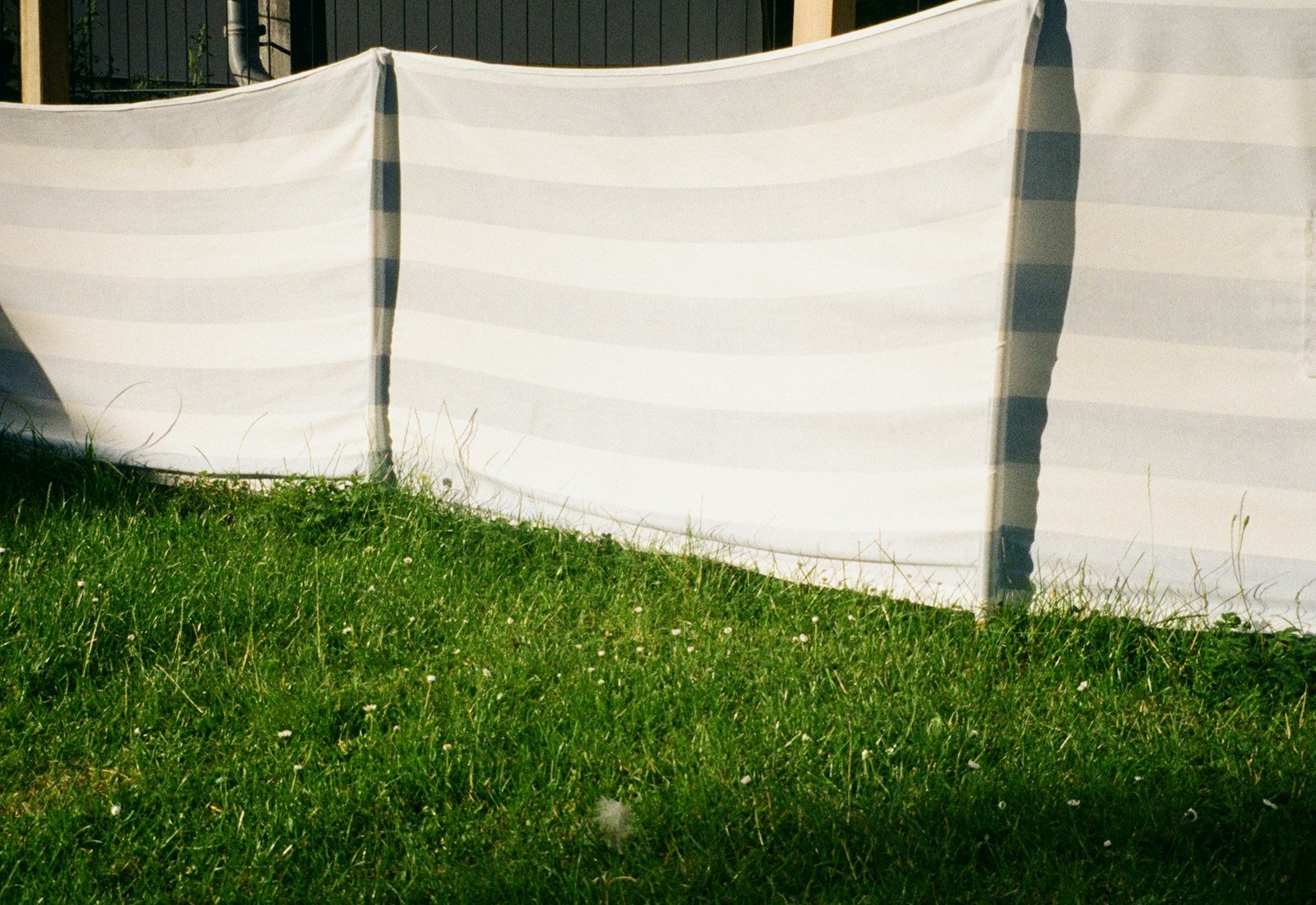
Garden privacy in the UK is mostly a problem of overlooking neighbours and street-level views into a patio or seating area. The right solution depends on your boundary, the angle of view, and how much light you can afford to lose. This guide is built around the real options available to a UK buyer in 2026 — fence, screen, hedge, planting, structure — and the rules and neighbour law that quietly govern most of them.
Table of contents
- The three angles of “overlooking” to solve first
- Fence options, ranked by what they actually do
- The 2-metre rule and planning permission in plain English
- Trellis on top of fence: the cheapest, biggest upgrade
- Standalone screening panels: composite, timber, metal
- Hedges that work: what to plant, and what to avoid
- Planters and living screens for small gardens
- Pergolas, gazebos and roofed structures
- Front-garden privacy from the pavement
- The neighbour question (UK law in 3 minutes)
- Real 2026 costs for a 6 m boundary
- Garden privacy FAQs
- Final thoughts
The three angles of “overlooking” to solve first
Most UK garden privacy complaints are one of three different problems dressed up as the same one. The fix that works for one is a waste of money for the others. Stand in the part of the garden you actually use, at the time of day you actually use it, and look up.
- Side-overlook. From a neighbour’s upstairs window or a first-floor balcony. Solved by height (1.8 m fence + trellis, or a hedge to 2 m+).
- Direct-overlook. A neighbour at single-storey level looking straight across a shared boundary. Solved by close-board fencing, dense hedging, or a solid screen panel.
- Street-level. People walking past the front of the house looking in. Solved by a low wall + planting, or by orienting the seating area to face away from the pavement.
If you can, solve side-overlook with a 2 m structure (fence + trellis, or a hedge that grows to 2 m). The other two angles can usually be addressed with smaller, less expensive moves.
Fence options, ranked by what they actually do
Seven UK fence types, ordered by privacy-per-pound:
- Closeboard (feather-edge) fence. The UK workhorse. Vertical overlapping boards on a horizontal arris rail, fixed to concrete posts. 1.8 m height, fully private from the moment it’s installed. £80–£120 per metre installed in 2026.
- Overlap / lap panel fence. Cheaper, more brittle. 1.8 m panels slot into slotted concrete posts. £55–£80 per metre installed. Lasts 10–15 years before the panels warp; closeboard lasts 20+.
- Slatted “hit-and-miss” fence. Alternating boards on both sides of the rail, allowing wind to pass through. Less private than closeboard (the diagonal angle is visible) but more wind-resistant. £90–£140 per metre installed.
- Venetian / louvre fence. Horizontal boards with small gaps. Modern, more expensive. £110–£180 per metre installed. Privacy is good from a seated height but the gaps can show heads from above.
- Picket fence. Decorative boundary, no privacy. £45–£90 per metre installed. Often used in front gardens with planting behind.
- Chain-link / weldmesh. No privacy on its own; usually paired with hedging or climbing planting. £35–£55 per metre for the mesh and posts.
- Wrought-iron or solid metal. Lasts 30+ years. £250–£450 per metre installed. Common on period terraces and conservation areas.
For most UK buyers, closeboard on concrete posts is the right answer. It is the only one of the seven that gives full 1.8 m privacy, lasts 20+ years, and is replaceable panel-by-panel if a section is damaged.
The 2-metre rule and planning permission in plain English
UK planning law for domestic fences is more permissive than people think. The summary:
- A fence up to 2 m tall (about 6 ft 6 in) does not need planning permission anywhere in the UK, including front gardens, as long as it is on your own land and not on a highway boundary.
- Next to a highway (a road used by vehicles), the limit drops to 1 m. This is the rule that catches most people out on a corner plot or a house that backs onto an unadopted lane.
- If you want to go above 2 m, you must apply for Householder Planning Permission through your local authority. Most simple “tall fence” applications succeed but take 8 weeks and cost £206 in England (2026 fee).
- If you live in a listed building or a conservation area, even a 1.8 m fence may need Conservation Area Consent if the boundary is on a visible elevation. Check with your local planning office before installing.
For most UK homes, a 1.8 m closeboard fence plus 300 mm of trellis on top gives you 2.1 m of effective height without triggering any permission. This is the single most common residential boundary in the country, and it works.
Trellis on top of fence: the cheapest, biggest upgrade
If your existing fence is 1.5–1.8 m, adding 300–600 mm of trellis on top is the cheapest single privacy upgrade in UK gardening. Cost in 2026:
- Prefabricated timber trellis panel, 1.83 m × 300 mm: £12–£22 per panel.
- DIY fixings (timber battens + exterior screws): £15 total.
- One afternoon of work for a 6 m run.
Two refinements that double the privacy without doubling the height:
- Climbing planting on the trellis — Trachelospermum (star jasmine), Clematis ‘Apple Blossom’, Hydrangea petiolaris, or the old favourite Russian vine. All UK-hardy. Wait one growing season for cover.
- Bamboo screening roll — natural or carbonised bamboo, sold in 1.8 m × 4 m rolls. Tied to the trellis with cable ties, it gives instant 95% visual blockage. £18–£32 per roll. Lasts 5–8 years before greying.
Standalone screening panels: composite, timber, metal
Where a fence isn’t an option (shared garden wall, listed building, planning refusal), a free-standing screen panel is the answer. Three materials, three budgets.
- Natural willow or hazel. Roll-up screening, 1.8 m × 3 m, fixed to existing posts or a simple timber frame. £35–£60 per roll. Real-wood, eco, ages to silver-grey in 18 months. Best in sheltered gardens.
- Composite slatted panels. Recycled-plastic-and-wood composite, 1.8 m × 1.8 m or 1.8 m × 600 mm modular sizes. Will not rot, fade or splinter. £90–£220 per panel depending on brand. Premium option: Ecoscape, Forest Garden, or Screen With Envy.
- Laser-cut metal screens. Corten steel, powder-coated aluminium, or weathering steel. Architectural, very modern, expensive. £450–£1,200 per panel for 1.8 m × 1.2 m. Corten develops a stable rust patina within 9 months and lasts 25+ years. Aluminium is lighter and never needs treatment.
A 2026 tip: modular slatted composite systems (the kind sold by Screen With Envy, Slatted Fencing UK, and a dozen small UK makers) let you build any width and replace a single panel if it gets damaged. Real modular, sensible price, and the slatted profile lets wind through. They are replacing closeboard for side-overlook in a lot of UK gardens in 2026.
Hedges that work: what to plant, and what to avoid
Hedges are the most beautiful, longest-lasting, and most maintenance-intensive UK privacy solution. Honest species for screening, in 2026:
- Leyland cypress (× Cuprocyparis leylandii). The fastest. Grows 60–90 cm a year. Privates a 2 m boundary in 3 years. The classic UK privacy hedge. Drawback: must be trimmed twice a year, and there is ongoing anti-Leylandii legislation talk in some councils.
- Cherry laurel (Prunus laurocerasus). Evergreen, glossy, shade-tolerant. 30–60 cm a year. Easier to keep tidy than Leylandii, slightly slower to reach 2 m. The best all-round evergreen hedge for most UK gardens.
- Portuguese laurel (Prunus lusitanica). Slower than cherry laurel but more refined. Excellent in smaller gardens, formal settings, or exposed sites. £18–£28 per 2 L pot in 2026.
- Yew (Taxus baccata). The classic English country hedge. Slow (20–30 cm a year), expensive to establish, but lasts 200+ years. A mature yew hedge is the gold standard of UK hedging. £25–£45 per 3 L pot.
- Native mixed hedge (hawthorn, blackthorn, hazel, dog rose, guelder rose). Cheapest to plant, fastest ecological value, but takes 4–6 years to thicken. Best for large rural or suburban plots where wildlife is the priority. £2.50–£4.50 per bare-root whip.
Hedges to avoid for screening: bamboo (invasive, can damage neighbour foundations if not contained), laurel in a small garden (gets huge), and the slower ornamental hedges (beech, hornbeam) unless you have 5+ years to wait.
Planters and living screens for small gardens
For a small patio, a balcony, or a roof terrace, a hedge is not realistic. Three planter-based options:
- Tall planters + bamboo. A row of 1.8 m tall fibreglass or galvanised-steel planters, 300 mm × 300 mm, planted with Fargesia rufa (a non-invasive clumping bamboo). Gives 1.5–1.8 m of dense, year-round screening within two seasons. £80–£140 per planter + plant.
- Living wall / green screen. A 1.8 m × 1.2 m modular frame, planted with evergreen climbers. A 4-frame run gives 4.8 m of screening. £350–£600 per frame fully planted. Worth it on a roof terrace where soil depth is limited.
- Olive or bay trees in large pots. Mediterranean, 2 m after 5 years, fragrant. Privacy from a seated position only, but creates a screen where the alternative is a bare wall. £80–£160 per 60 L potted tree.
Pergolas, gazebos and roofed structures
Where vertical privacy alone isn’t enough (overhead views from a neighbour’s balcony, second-floor windows, a block of flats), a structure with a roof or canopy finishes the job. Three common UK options:
- Open-roof pergola with climbing plants. Wisteria, grape, or Clematis montana trained over the top. 80% cover after 3 years, dappled light below, a real focal point. £700–£2,500 for a 3 m × 3 m timber or aluminium pergola, fitted.
- Retractable-roof aluminium pergola. The 2020s upgrade. A louvered or retractable roof gives you the option of sun or shade. £4,000–£9,000 for a 3 m × 3 m motorised system. Most are made in Europe and sold through UK garden designers (Houzz, listed trade installers). Will need building-control sign-off if attached to a listed wall.
- Gazebo with solid roof and side screens. The traditional option. A 3 m × 3 m wooden or metal gazebo with a solid roof and 2–3 side screens gives full privacy and rain cover. £1,200–£3,500 fitted.
Note that any structure over 2.5 m or within 2 m of a boundary may need planning permission in a conservation area. Always check with your local planning office if in doubt.
Front-garden privacy from the pavement
The hardest case. In a typical UK terraced street, the front garden is 2–4 m deep and overlooked by anyone walking past. A solid fence out the front would darken the house and start arguments with the neighbour who walks to the station. Three moves that work without darkening the house:
- Low wall + pleached trees. A 600–900 mm brick or stone wall with 4 pleached hornbeams or 3 pleached limes along the top. The trees are trained on a flat frame at 1.8 m, giving year-round screening above eye level while leaving the ground plane open. Mature pleached lime, 16–18 cm girth, 2 m clear stem, 1.5 × 1.5 m head: £450–£650 per tree fitted in 2026.
- Low wall + tall planting. A brick wall to 900 mm, behind it a mixed border of bamboo, Fatsia japonica, Photinia ‘Red Robin’, and grasses. Cheaper than pleached, but takes 3 years to fill in.
- Re-orient the seating. The cheapest, and the one most people miss. If your front garden has a bay, sit inside the bay with your back to the pavement. Privacy achieved at no cost.
The neighbour question (UK law in 3 minutes)
Most UK garden disputes are not about law. They are about the conversation that never happened. The actual legal position:
- Ownership. A garden boundary in the UK is presumed to be a “joint boundary” unless the title deeds say otherwise. Either neighbour can maintain a fence on a joint boundary.
- Repair responsibility. The “repair” covenant in title deeds varies. Most UK properties built before 1990 have a “subject to” rather than “with” responsibility, meaning neither side is legally required to maintain, but the owner of the structure usually pays.
- Height disputes. Your neighbour can object to a fence over 2 m, but rarely successfully if it is on your land and meets planning rules. They cannot force you to lower an existing 1.8 m fence.
- The Anti-Social Behaviour, Crime and Policing Act 2014 allows complaints about “high hedges” over 2 m that affect a neighbour’s “reasonable enjoyment” of their property. Used in extreme cases, not for one Leylandii tree.
Talk to the neighbour before you build. Even a one-line text saying “I’m going to replace the back fence on our side, let me know if you want to share the cost” prevents 90% of disputes. The remaining 10% won’t be fixed by being more polite; build the fence anyway and document everything.
Real 2026 costs for a 6 m boundary
Real costs for a 6 m run of typical UK garden, fitted, including VAT, in 2026:
- 1.8 m closeboard fence on concrete posts, panels, fitted: £480–£720.
- 1.8 m overlap / lap panel fence, fitted: £330–£480.
- Slatted composite screening, 1.8 m, modular: £540–£1,200.
- Corten steel decorative screen, 1.8 m × 1.2 m × 1 panel: £450–£850.
- Natural willow roll, 1.8 m × 6 m, fixed to existing fence: £60–£95.
- Cherry laurel hedge, 1.8 m when mature, bare-root whips at 4 per metre: £60–£95 for plants. Add £150–£250 for ground prep and tree guards.
- 3 m × 3 m timber pergola, fitted: £1,800–£2,800.
- 3 m × 3 m motorised louvered-roof pergola, fitted: £5,500–£9,500.
Frequently Asked Questions
Q1. Do I need planning permission for a 1.8 m fence in the UK?
No, not for a domestic boundary. The 2 m rule applies to back and side boundaries; front boundaries next to a road have a 1 m limit.
Q2. What is the fastest-growing privacy hedge for the UK?
Leylandii, by a long way. 60–90 cm a year in good soil. Cherry laurel is the second fastest (30–60 cm a year) and the more refined choice for most gardens.
Q3. Can I make my neighbour cut their Leylandii?
Only under the “high hedge” provisions of the Anti-Social Behaviour, Crime and Policing Act 2014, and only if the hedge is over 2 m and is damaging your reasonable enjoyment. It is a slow, formal route. The much faster answer is to put up your own 2 m screen on your side, which is your right.
Q4. How tall can a fence be next to a public footpath?
If the footpath is also a highway (a road used by vehicles), the limit is 1 m. For a pedestrian-only path, the 2 m rule applies.
Q5. Is bamboo screening any good?
Yes, on a fence. As a stand-alone plant, no — running bamboo is invasive and damages neighbour foundations. Use Fargesia (clumping) in planters, or buy the roll screening for a fence.
Final thoughts
UK garden privacy is solved by 1.8 m of closeboard fence and a 300 mm trellis on top for 80% of homes. Most of the elaborate solutions (motorised louvered roofs, corten screens, pleached trees) are upgrades on top of that baseline, not replacements for it. Sort the basic boundary first, talk to the neighbour, and only then start spending on the parts of the garden that are genuinely uncomfortable.
For More Information Visit Oak & Nook.
11 thoughts on “Garden Privacy Ideas UK: Fences, Screens, Hedges and Layouts”