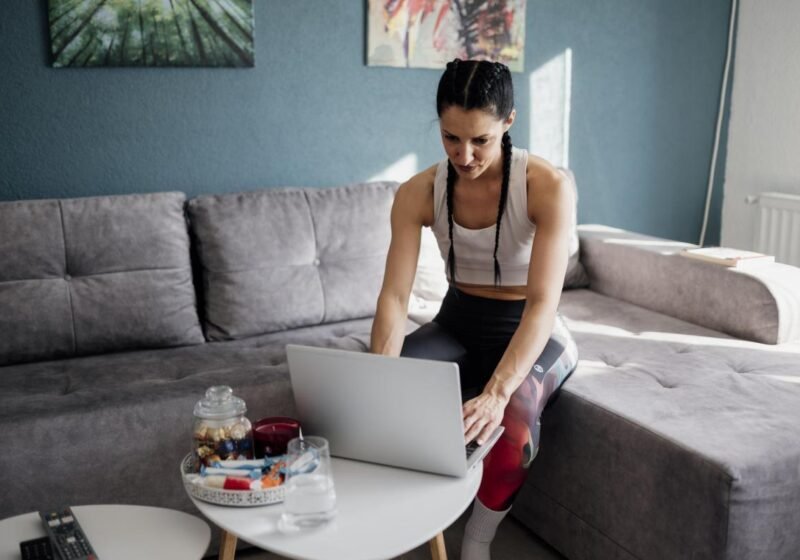
tiny home office ideas are the foundation of a thoughtful, well-planned space. This comprehensive guide brings together everything our editors have learned about tiny home office ideas, from layout and lighting to materials, finishes and budget-friendly upgrades, so you can make confident decisions and avoid the costly mistakes we see repeated in homes every year. Whether you are starting a full refurbishment or simply refreshing a tired room, the tiny home office ideas covered here will help you get the most from your space, your budget and your time.
Why the Tiny Home Office Is the Most Important Room in the House in 2026
Since 2020, the tiny home office has become one of the most important rooms in the American home. The shift to remote and hybrid work has made a dedicated workspace essential, and most homes do not have the luxury of a dedicated office. The result is that millions of Americans are working from tiny spaces: a corner of the bedroom, a nook under the stairs, a converted closet, a corner of the living room.
Table of Contents
A well-designed tiny home office is functional, comfortable, and beautiful. A poorly designed one is cramped, distracting, and frustrating. The good news is that a thoughtful design can transform even the tiniest space into a productive workspace.
This guide brings together 23 tiny home office ideas for American homes, from layout to furniture to lighting to the small details that make a tiny office work.
23 Tiny Home Office Ideas
1. A Wall-Mounted Desk
A wall-mounted desk, which folds down when needed and folds up out of the way when not, is the ultimate space-saving solution for a tiny home office. The desk doubles as a shelf when folded up.
2. A Floating Desk
A floating desk, mounted on the wall with no legs, is a clean, modern solution. The desk leaves the floor clear, which makes the small space feel larger.
3. A Small Desk
A small desk, ideally 36 to 48 inches wide, is sized appropriately for the space. The desk should be just large enough for a laptop, a monitor, and a few essentials.
4. A Corner Desk
A corner desk, designed to fit into an unused angle of the room, makes the most of the available space. The corner desk provides a generous work surface without dominating the room.
5. A Built-In Desk
A built-in desk, custom-made to fit the space, is the most efficient use of a tiny home office. The desk can include shelves, drawers, and cabinets for storage.
6. A Closet Conversion
A closet conversion, with the door removed and a small desk and shelves installed, is a popular tiny home office solution. The closet provides a private, contained workspace.
7. A Murphy Desk
A Murphy desk, which folds up into a cabinet when not in use, is a brilliant space-saving solution. The desk can be closed to hide the workspace entirely.
8. A Standing Desk
A standing desk, with a height-adjustable surface, allows the user to alternate between sitting and standing. The standing desk is a healthier option for long workdays.
9. A Convertible Desk
A convertible desk, which transforms from a console to a desk, is a multi-functional solution. The desk can be used for work during the day and as a console table in the evening.
10. A Small Office Chair
A small office chair, sized appropriately for the user and the space, is essential. The chair should be comfortable, supportive, and easy to move.
11. A Wall-Mounted Shelf
A wall-mounted shelf, above the desk, provides storage for books, supplies, and decor. The shelf should be sized to the space.
12. A Pegboard
A pegboard, mounted on the wall, provides flexible storage for tools, supplies, and accessories. The pegboard is a popular tiny home office solution.
13. A Magnetic Strip
A magnetic strip, mounted on the wall, holds small metal items such as scissors, paper clips, and letter openers. The strip is a small but useful addition.
14. A Cable Management System
A cable management system, with cable trays, clips, and ties, keeps the cables under the desk organized. The system is essential for a clean, professional workspace.
15. Good Lighting
Good lighting, with a main ceiling light, a desk lamp, and ideally a window for natural light, is essential. The lighting should be adjustable for different tasks.
16. A Task Lamp
A task lamp, on the desk, provides focused light for reading and working. The lamp should be adjustable and dimmable.
17. A Monitor Arm
A monitor arm, mounted on the desk or the wall, allows the monitor to be positioned at the correct height and distance. The arm frees up desk space.
18. A Wireless Keyboard and Mouse
A wireless keyboard and mouse, with a single USB receiver, reduces cable clutter. The wireless peripherals are essential for a clean tiny home office.
19. A Plant
A plant, on the desk or a nearby shelf, adds life and freshness. The plant should be suited to the light conditions of the space.
20. A Personal Touch
A personal touch, whether a photograph, a piece of art, a small sculpture, or a treasured object, makes the workspace feel personal.
21. A Bulletin Board
A bulletin board, mounted on the wall, holds notes, reminders, and inspiration. The board can be cork, fabric, or magnetic.
22. A Filing System
A filing system, in a drawer, a cabinet, or a wall-mounted pocket, organizes the paperwork. The system should be sized to the volume of paper.
23. A Door-Mounted Organizer
A door-mounted organizer, hung on the back of the door, provides storage for small items. The organizer is a small but useful addition.
Principles of Tiny Home Office Design
The right tiny home office design follows a few key principles.
Vertical Space
Use vertical space, with wall-mounted shelves, pegboards, and tall bookcases, to draw the eye up and make the space feel larger.
Multi-Function
In a tiny home office, every piece should ideally do more than one job. A desk with shelves, a chair with storage, a shelf with a charging station.
Minimal Clutter
Keep the workspace minimal and clutter-free. Every item should earn its place; every other item should be stored out of sight.
Good Lighting
Good lighting is essential in a tiny home office. The lighting should be layered, with a main light, a task light, and ideally natural light.
Personalisation
Personalise the space with a few well-chosen items that reflect your personal style. The personalisation makes the workspace feel yours.
Frequently Asked Questions
Q1. How much space do you need for a tiny home office?
A functional tiny office needs a dedicated surface that is 36 to 48 inches wide. This fits a laptop, an external monitor, and essential peripherals without cluttering the room.
Q2. What is the best desk style for a tight layout?
Floating desks, wall-mounted drop-leaf units, and corner desks work best. They maximize unused corners or keep floor space visible, making small rooms appear larger.
Q3. How can you organize a small desk without taking up floor space?
Take advantage of vertical wall height. Pegboards, shallow floating shelves, and cable management trays keep essential tools off the desk while keeping everything accessible.
Conclusion
A well-designed tiny home office is one of the most rewarding design projects in modern American interior design. The right combination of furniture, lighting, and storage transforms even the smallest space into a productive, comfortable, and beautiful workspace. Take time to choose the right elements for your space and your work style, and remember that the most successful tiny home offices are the ones that feel personal, organized, and efficient.
Related Articles You May Find Useful
Continue exploring the topic with these hand-picked guides from our editorial team.
- small office interior design (US)
- small bathroom ideas (UK)
- wall panelling ideas (UK)
- room painting ideas living room (UK)
- coffee table accents (UK)
Further Reading and Trusted Sources
For more inspiration and expert advice, see the latest from Houzz — one of the largest home design platforms in the world.
For more inspiration and expert advice, see the latest from Architectural Digest — authoritative interiors and design journalism. Put simply, the right tiny home office ideas can transform how a room looks, feels and functions — and that is exactly what we hope this guide helps you achieve.