
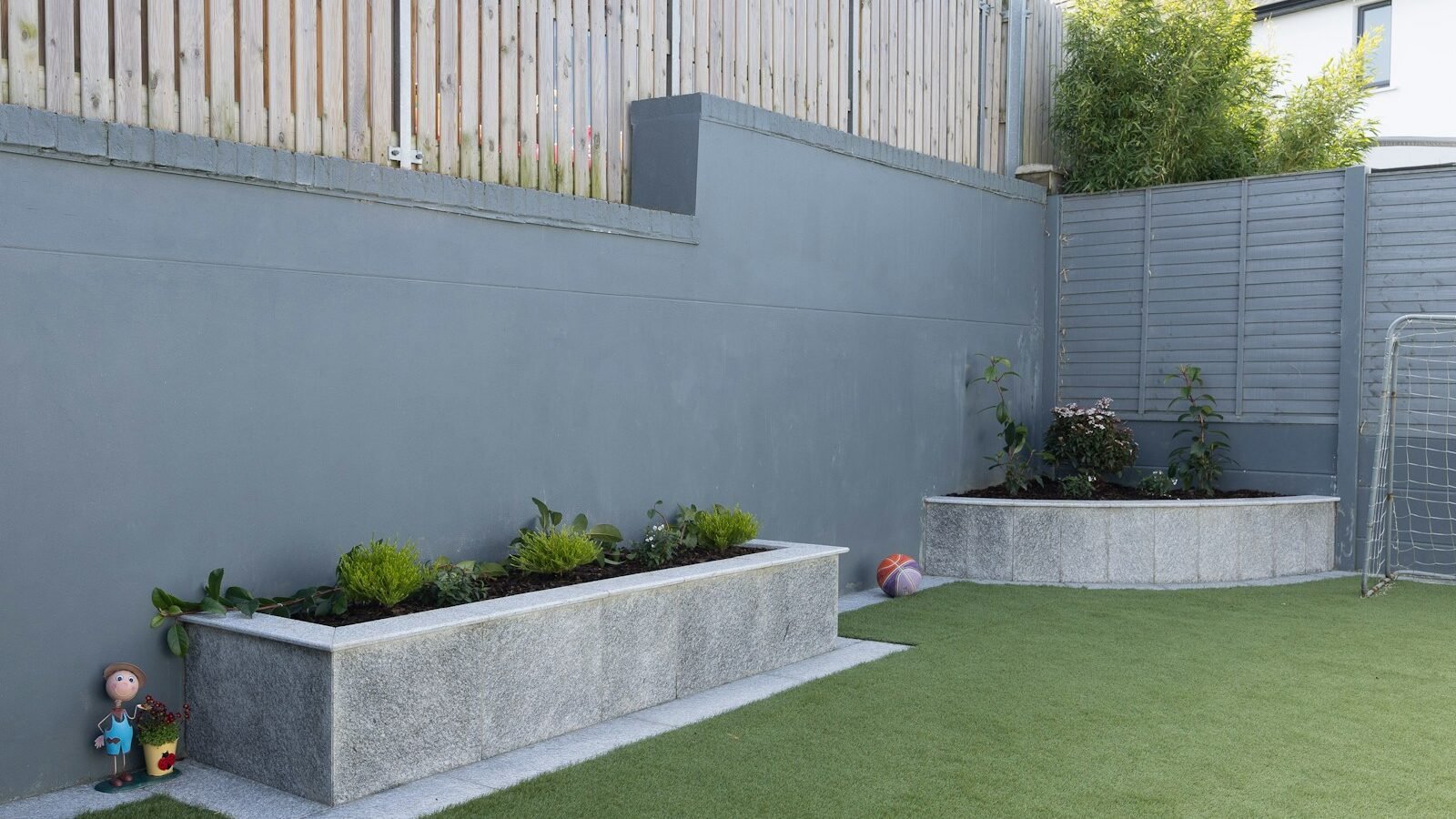
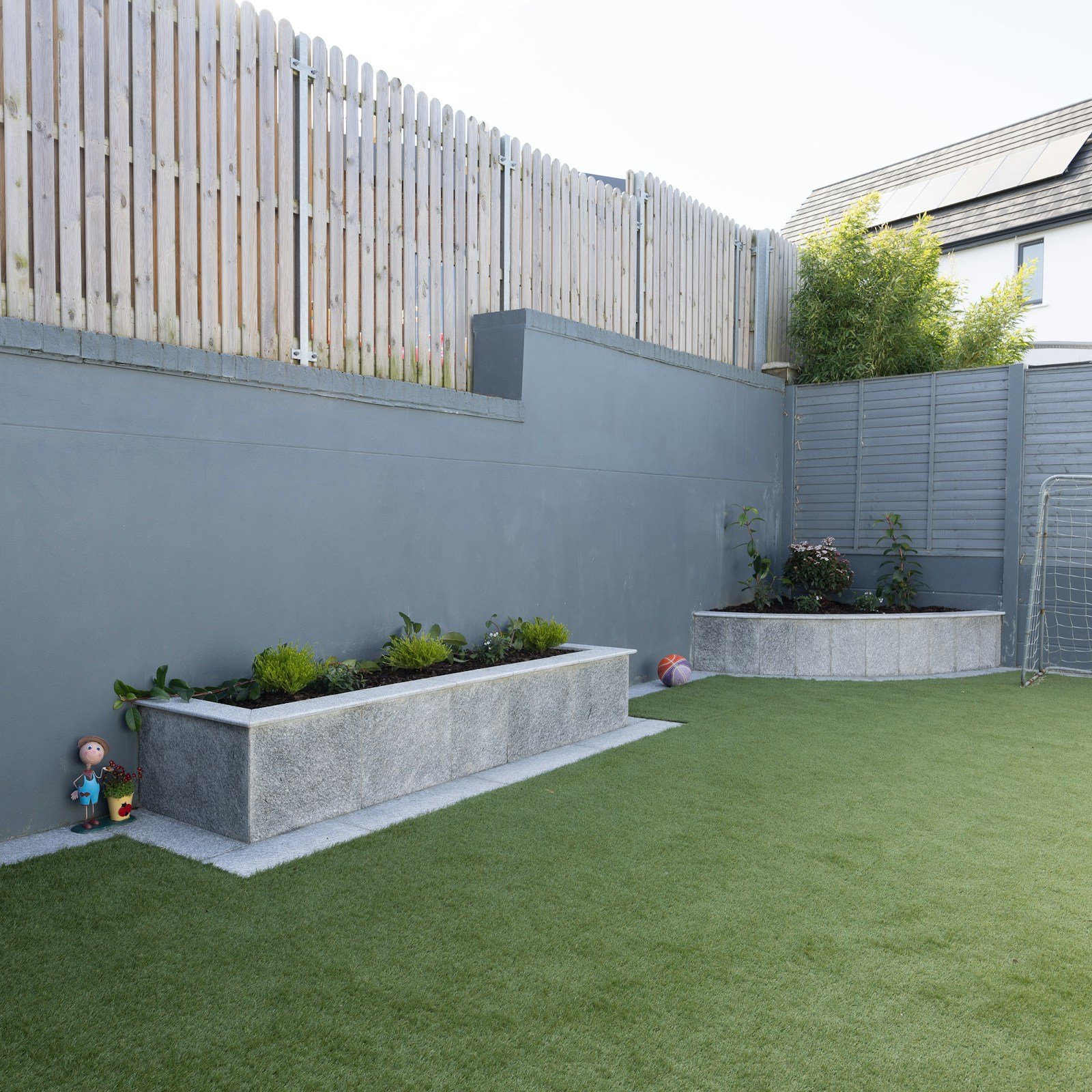
The most effective garden design ideas start with the route and the use before the plants: make the door-to-seating path obvious, give dining and play their own zones, then use planting to soften the edges. A measured plan, good drainage and a small planting palette will transform more gardens than filling every border at once.
Garden design ideas start with an audit
Draw the house, boundaries, doors, windows, sheds, trees and existing drains to scale. Visit at 9am, midday and evening: note sun, wind, overlooked views and where rain sits. Keep anything that already gives shade, habitat or a useful frame unless there is a clear reason to remove it.
Measure the narrowest path and the turning space for bins, wheelbarrows and bicycles. Photograph the garden from the upstairs windows as well as from the lawn; that is how much of the design you will see in winter.
Create useful zones
Most small and medium gardens need only three zones: a hard-standing spot for eating, an open area for movement, and planting or storage along the edges. Put dining near the kitchen door to shorten the trip with hot plates. Put a bench where afternoon sun reaches it, not automatically at the far end.
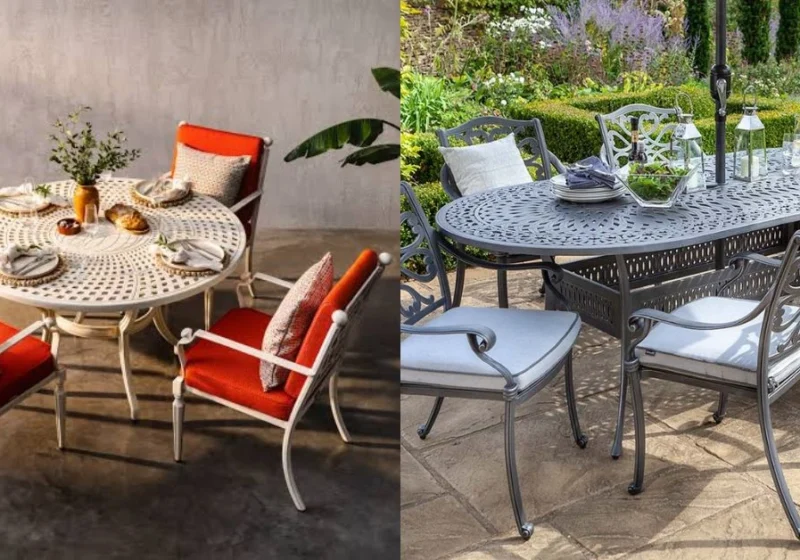
Use one continuous paving material to connect zones, then change direction, planting or furniture to signal the use. A pergola, low hedge or change in level can divide without making the garden feel chopped up. Our garden furniture guide helps check the actual clearances before you build a patio around a set.
Make a small garden feel bigger
- Keep the strongest line of sight clear from the back door; hide the shed or bins behind a screen.
- Repeat one paving tone and two or three plant colours rather than creating a patchwork.
- Use a narrow mirror only where it cannot cause bird strikes; foliage and a framed view are usually calmer.
- Choose furniture that folds, stacks or doubles as storage.
- Use a large pot as a focal point instead of many small pots that make the floor look busy.
In a long garden, make the destination visible but not fully revealed: a slight change of direction, an arch or a taller planting group creates depth without needing a maze of paths.
Get paving, levels and drainage right
Hard landscaping is where budgets disappear, so confirm levels and drainage before ordering finishes. Paving should fall away from the house, not towards the damp-proof course. Keep air bricks clear and check how surface water will leave the patio. A soakaway or permeable surface may need design advice, particularly on clay or near a neighbour’s boundary.
For a DIY refresh, repairing a few slabs, edging a border and improving a compacted path may deliver more than replacing everything. Choose non-slip outdoor tiles or textured paving where rain, moss and bare feet meet. Allow for a sub-base rather than pricing only the visible slab.
Plant for year-round structure
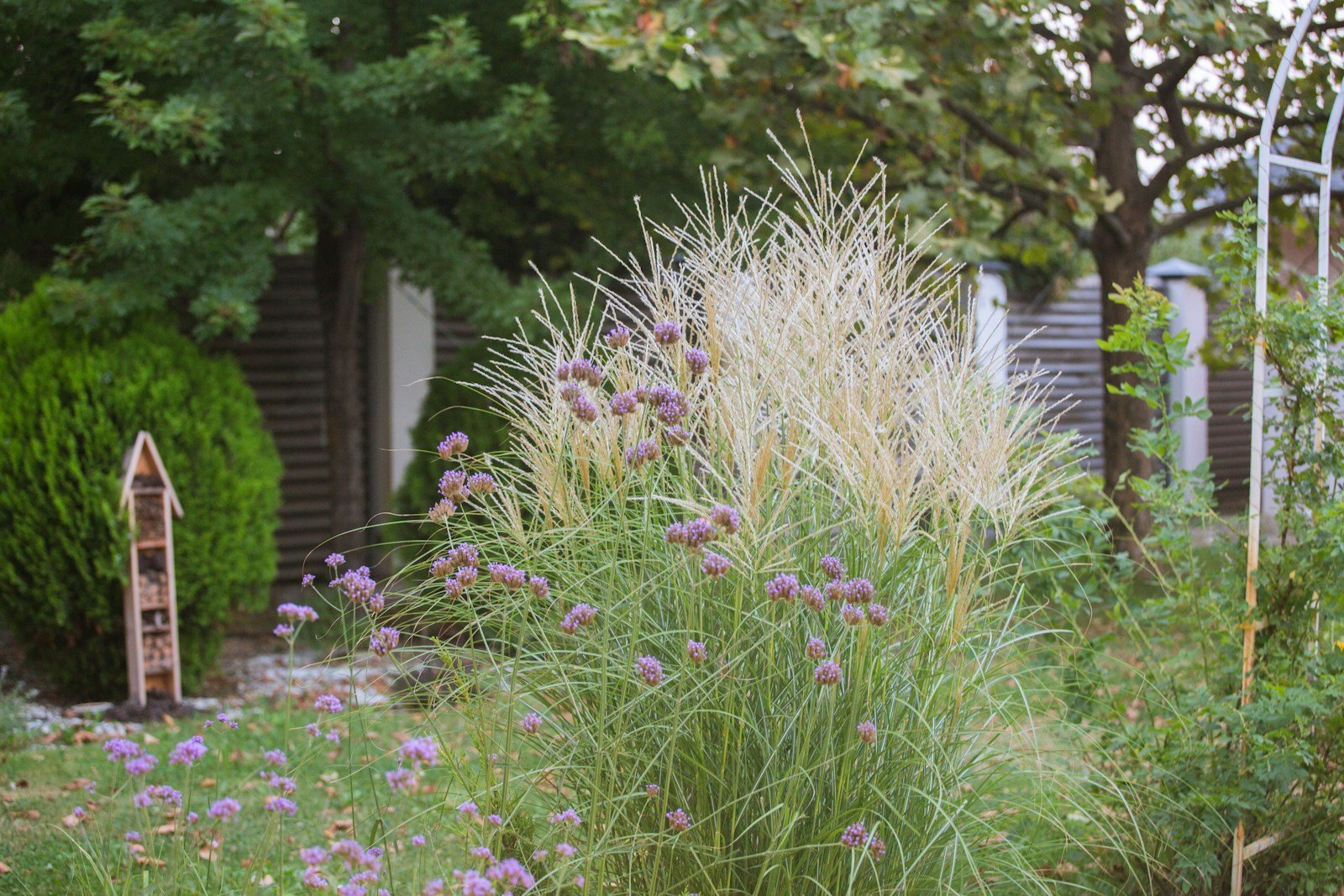
Use a simple 60/30/10 mix: about 60% dependable evergreen or structural foliage, 30% seasonal flowers and grasses, and 10% accents such as a small tree or specimen pot. Repeat plants in groups of three or five so the border reads as a composition rather than a catalogue.
- Spring: bulbs, hellebores and blossom for early colour.
- Summer: hardy geraniums, salvias, roses and ornamental grasses according to soil and light.
- Autumn: seedheads, berries and foliage colour left standing for texture.
- Winter: evergreen structure, bark and stems that catch low light.
Choose plants for the actual soil and aspect, then confirm mature size. The RHS garden-design advice is especially useful for low-maintenance planting and avoiding the common mistake of selecting only for the day of purchase.
Balance privacy and wildlife
A solid two-metre fence can block a view but also darken a narrow garden. Try a trellis with climbers, a staggered hedge or two layers of planting. Use a mix of native and well-behaved ornamental plants, leave some seedheads over winter and provide shallow water with a way for insects to climb out.
Check local restrictions before removing a tree or building a tall structure. Avoid bright lights pointed into neighbours’ windows and keep ponds away from unsupervised play areas.
Add safe, purposeful lighting
Light steps, changes of level and the route to the back door first. Low-level warm light is usually more useful than a bright floodlight. Put decorative lights on a separate circuit or timer so the garden can go dark for wildlife and neighbours. Any outdoor mains installation should be designed and tested by a qualified electrician with equipment suitable for outdoor conditions.
Frequently asked questions
Q1. What should I do first when redesigning a garden?
Measure the boundaries, doors, levels, sun and drainage, then draw the routes and zones. Do not start by buying plants or paving.
Q2. How can I make a small garden look bigger?
Keep a clear sightline, repeat materials and plants, hide storage and use furniture that folds or has more than one job. Fewer, larger decisions usually look calmer.
Q3. Which plants are best for a low-maintenance UK garden?
The right plants depend on soil, aspect and moisture. Hardy structural shrubs, repeated perennials and well-chosen grasses are usually more reliable than a large collection of tender plants.
Q4. Do I need permission for garden changes?
Some fences, trees, paving and outbuildings have local or property-specific restrictions. Check your council, lease or conservation-area rules before committing to a structure or removal.
Final Thoughts
A successful garden is a sequence of useful moments: an easy route out, a seat in the best light, plants that look good beyond August and somewhere for the less beautiful necessities. Design those moments first and the style will follow naturally.
7 thoughts on “Garden Design Ideas for UK Outdoor Spaces: A Practical Plan That Works”